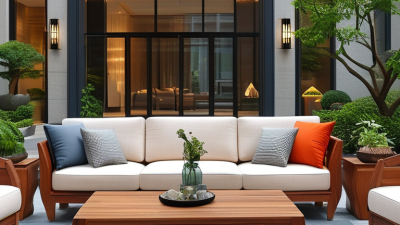
How to Choose Telescope Outdoor Furniture for Your Business?
Choosing Telescope Outdoor Furniture for a business involves more than selecting attractive chairs and tables. The right collection must support daily use, customer comfort, brand identity, and changing outdoor conditions. A busy restaurant terrace, hotel pool deck, and private club require different solutions. Each setting has its own traffic patterns, cleaning routines, and space limitations.
Richard Frinier, a respected outdoor-furniture designer, has said, “The outdoors is the new indoors.” That idea matters commercially. Guests now expect outdoor spaces to feel comfortable, intentional, and connected to the brand. Telescope Outdoor Furniture can help create that experience through durable frames, supportive seating, coordinated finishes, and practical layouts. Still, no product works perfectly everywhere.
Measure the site carefully.
Record sunlight, wind, drainage, and storage access. Consider how often staff will move each piece. Lightweight chairs may improve flexibility, but they can shift in strong weather. Heavier furniture may feel stable, yet it can slow daily cleaning. These trade-offs deserve honest attention.
Material performance also matters. Aluminum can offer corrosion resistance and easier handling. Outdoor fabrics may provide comfort, but they still need routine care. Cushions should dry quickly after rain. Tables should leave enough space for servers, guests, and maintenance teams. Small details become expensive problems when ignored.
A reliable buying decision combines supplier guidance, warranty terms, replacement-part availability, and real-world testing. Ask for samples. Sit in the chairs. Inspect the joints. If possible, test a small area before placing a large order. The best choice is not always the most fashionable one. It is the collection that remains comfortable, serviceable, and visually consistent after busy seasons.
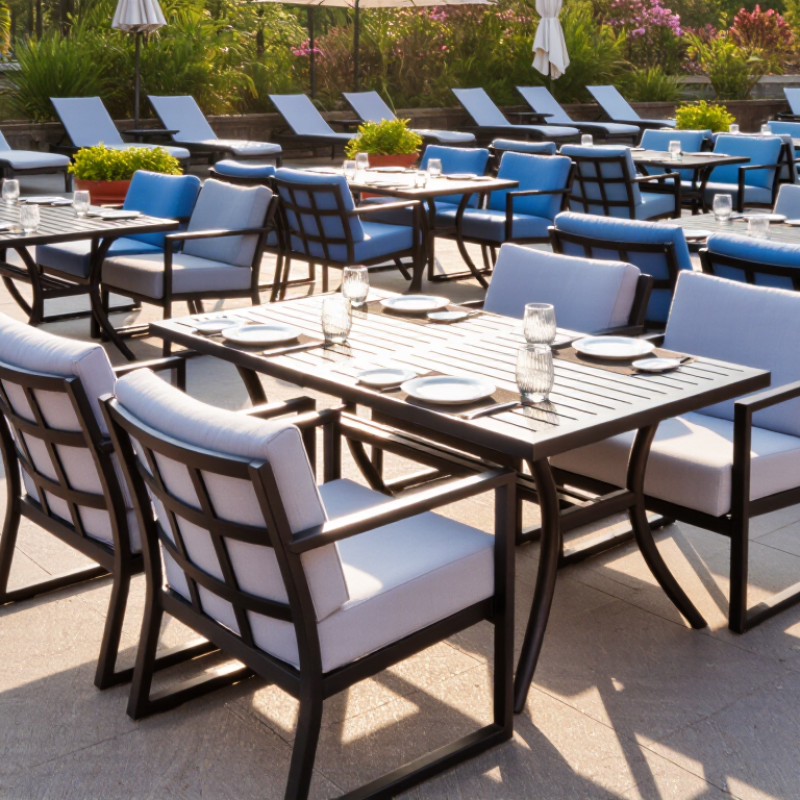
Understanding Telescope Outdoor Furniture and Its Business Uses
Understanding telescope outdoor furniture starts with its business role. Here, it means commercial-grade tables, chairs, loungers, and shade pieces for repeated outdoor use. A restaurant needs quick cleaning and stable seating. A resort needs comfort, weather resistance, and visual consistency. A venue needs flexible layouts. This is operating equipment, not simple patio decoration. It works hard. Grand View Research estimated the global outdoor furniture market at USD 19.8 billion in 2023. Its report projects a 5.2% CAGR from 2024 to 2030. The National Restaurant Association’s 2024 industry report projected U.S. restaurant sales at USD 1 trillion. Outdoor seating therefore affects capacity, guest experience, and daily workflow.
When choosing telescope outdoor furniture, measure use before appearance. Record guest turnover, storage space, sunlight, rain exposure, and cleaning chemicals. Aluminum frames may reduce handling effort. Solution-dyed fabrics may support better color retention. However, material labels alone prove little. Check frame joints, drainage, replacement parts, load ratings, and warranty terms. Test products on actual paving. A chair can feel stable indoors but wobble outdoors. Small details matter.
Experience also exposes a common mistake: buying for peak-season photos. Off-season storage, stacking height, and repair access affect total cost. Leave space for staff movement. Test the complete chair-and-table combination. We sometimes overvalue a polished finish and underestimate maintenance time. That deserves correction before a large order. Ask suppliers for documented test methods, care instructions, and product-level specifications. Reliable records make future purchasing less subjective.
Assessing Space, Climate, and Customer Needs
How to Choose Telescope Outdoor Furniture for Your Business?
Choosing telescope outdoor furniture starts with a careful site assessment. Measure usable floor space, walking routes, entrances, and service areas. A narrow terrace may need compact tables and stackable chairs. A spacious courtyard can support larger seating groups without blocking movement. Leave room for staff to carry trays safely. A simple floor sketch often reveals problems that measurements miss.
Climate changes every furniture decision. In coastal areas, salt air can speed up corrosion. Strong sunlight may fade fabrics and heat metal surfaces. Frequent rain requires quick-drying materials, drainage, and practical storage. I once underestimated afternoon wind on a rooftop patio. Lightweight chairs moved more than expected. That mistake changed how I evaluate stability, shade, and anchoring options. Check cleaning needs, replacement parts, and seasonal storage before purchasing. Durable furniture is useful, but it is not maintenance-free.
Customer habits matter just as much. Families may need wider seating and flexible table arrangements. Café guests often prefer comfortable backs, armrests, and enough space for bags. Hotel visitors may value quiet, attractive lounges for longer stays. Watch how customers use your current area before making assumptions. Their behavior may challenge your plan.
Tips: Test one sample outdoors for a full service period. Sit in it. Move it. Check its surface after rain and strong sunlight. Ask staff for honest feedback, especially about weight, comfort, and cleaning time. Consider accessibility and clear routes throughout the layout.
How to Choose Telescope Outdoor Furniture for Your Business? – Assessing Space, Climate, and Customer Needs
| Assessment Dimension | Business Condition | Recommended Furniture Characteristics | Useful Dimensions or Criteria | Operational Benefit | Priority |
|---|---|---|---|---|---|
| Available Outdoor Area | Small patio, balcony, sidewalk café, or compact terrace | Foldable, stackable, nesting, or compact telescopic tables and chairs | Measure usable floor area after excluding planters, columns, doors, and service equipment | Allows seating capacity to change according to demand | High |
| Customer Circulation | Busy restaurant, hotel terrace, café, or event venue | Furniture with stable bases, rounded corners, and layouts that do not obstruct entrances or service routes | A 36-inch (91.4 cm) clear route is a common accessibility benchmark; verify local regulations | Improves movement, service efficiency, and accessibility | High |
| Seating Density | High table turnover and limited floor area | Slim-profile chairs and tables that can be reconfigured quickly | Allow approximately 24 inches (61 cm) of table edge per diner for comfortable dining | Balances customer comfort with revenue-generating capacity | High |
| Wind Exposure | Rooftop, waterfront, coastal, or open-air location | Heavy, wide-footprint bases; locking mechanisms; wind-rated umbrellas and screens where applicable | Review local wind conditions and secure loose items when weather warnings are issued | Reduces tipping, damage, and safety risks | High |
| Rainfall and Humidity | Wet, humid, or tropical climate | Corrosion-resistant metal, sealed hardwood, outdoor-rated recycled plastic, and quick-draining surfaces | Avoid water-trapping cushions and unsealed materials; provide drainage and covered storage | Limits swelling, mold, rust, and drying delays | High |
| Sun and UV Exposure | Sunny climate or all-day outdoor operation | UV-resistant finishes, solution-dyed outdoor fabrics, and light-to-medium colors that reduce heat absorption | Use shade structures and follow the material supplier's UV-care requirements | Reduces fading, surface degradation, and heat discomfort | High |
| Temperature Range | Hot summers, cold winters, or large seasonal changes | Materials rated for outdoor temperature changes; cushions with removable, breathable covers | Store cushions and movable furniture during freezing conditions or severe weather | Extends product life and preserves comfort | Medium |
| Salt-Air or Chlorine Exposure | Beachfront property, marina, poolside venue, or spa | Marine-suitable finishes, corrosion-resistant fasteners, non-porous surfaces, and routine freshwater rinsing | Inspect joints, hardware, and coatings regularly for corrosion | Reduces premature metal deterioration | High |
| Cleaning Requirements | High-contact dining, hospitality, healthcare, or family-oriented venue | Non-porous, smooth, stain-resistant surfaces with removable and washable upholstery | Confirm compatibility with the cleaning products and disinfectants used on site | Speeds cleaning between customers and supports hygiene procedures | High |
| Customer Comfort | Long-stay dining, premium hospitality, or lounge-style service | Ergonomic back support, appropriate seat height, armrests where space allows, and breathable cushions | Standard dining seat height is commonly about 17–19 inches (43–48 cm) | Encourages longer visits and improves perceived service quality | High |
| Accessibility | Public-facing business serving customers with different mobility needs | Stable tables with knee clearance, accessible seating locations, and unobstructed routes | Apply applicable local accessibility rules; do not rely solely on movable furniture | Supports inclusive use and regulatory compliance | High |
| Storage Capacity | Seasonal operation or frequent severe-weather closures | Stackable chairs, foldable tables, protective covers, and wheeled storage racks | Measure storage doorways, ceiling height, rack footprint, and handling routes before purchasing | Makes relocation faster and reduces weather-related damage | Medium |
| Maintenance Resources | Limited staff time or multiple locations | Replaceable components, standard hardware, simple finishes, and readily available care instructions | Create a schedule for cleaning, tightening hardware, inspecting coatings, and replacing damaged parts | Improves consistency and lowers unexpected repair costs | Medium |
| Aesthetic and Brand Fit | Venue where outdoor appearance influences customer perception | Consistent colors, textures, silhouettes, and finishes that match the building and service concept | Use a limited palette and repeat key materials across tables, chairs, screens, and accessories | Creates a cohesive and recognizable customer experience | Medium |
| Budget and Lifecycle Cost | Business evaluating purchase price against long-term operating cost | Select durable, repairable furniture rather than comparing purchase price alone | Compare purchase, delivery, storage, cleaning, repair, replacement, and disposal costs | Supports a more accurate total-cost decision | High |
Planning note: Dimensions shown are practical design benchmarks. Confirm building, fire-safety, accessibility, wind-load, and occupancy requirements with the relevant local authorities before installation.
Comparing Materials, Designs, and Performance Features
Choosing telescope outdoor furniture for a business requires more than attractive photographs. Materials affect maintenance, comfort, and replacement costs. Powder-coated aluminum is lightweight and resists rust, making it practical for busy patios. However, cheap coatings can fade or chip near salty air. Stainless steel offers strength, but it may feel hot under direct sunlight. Teak provides natural warmth, while recycled plastic handles moisture well and needs little care. It can still look bulky.
Design should match daily operations. Stackable chairs save storage space after closing. Folding tables support flexible events, but their hinges need regular inspection. Slatted surfaces improve drainage after heavy rain. Smooth edges help staff move furniture safely around crowded walkways. Test each piece with actual tableware, not empty hands. A chair that feels stable in a showroom may wobble on uneven paving.
Performance features deserve practical testing. Check weight capacity, UV resistance, water drainage, and frame stability. For coastal locations, inspect fasteners and welds carefully. Locking mechanisms should work without excessive force. Small details matter. Measure doors, storage rooms, and service paths before ordering. I once preferred a beautiful dark finish, then reconsidered after seeing fingerprints and dust appear quickly. That choice was not entirely wrong, but it was less efficient. Ask suppliers for care instructions, material samples, and documented test results. Reliable furniture should remain comfortable, safe, and presentable through repeated commercial use.
Evaluating Comfort, Maintenance, Warranty, and Cost
How to Choose Telescope Outdoor Furniture for Your Business?
Comfort should be tested during real service hours, not only in a showroom. I usually sit in each chair for twenty minutes before approving it. Check seat depth, back support, arm height, and table spacing. A guest should move comfortably without touching neighboring furniture. Cushions need quick-drying covers and firm filling. Soft seating feels attractive, but it may flatten quickly under daily commercial use. My first estimate was wrong once. A cheaper chair created more complaints than savings.
Maintenance affects labor costs and customer impressions. Choose finishes that resist sunlight, moisture, stains, and frequent cleaning. Ask whether replacement slings, cushions, screws, and tabletops remain available. Test one sample outdoors for several weeks. Wipe spilled coffee, sunscreen, and rainwater from its surface. Some materials looked durable but showed marks easily. That detail changed my purchasing decision. Keep a written cleaning schedule, because maintenance often fails through inconsistency.
Warranty terms deserve careful reading. Confirm coverage periods, structural protection, fabric exclusions, and the process for reporting defects. A long warranty means little if repairs require expensive shipping. Request written service commitments before placing a large order. Compare the full cost, including delivery, assembly, storage, cleaning, and replacement parts. A low purchase price can become expensive after one busy season. Leave room in the budget for unexpected damage. It happens.
Selecting the Right Collection and Planning the Purchase
How to Choose Telescope Outdoor Furniture for Your Business?
Selecting the right outdoor furniture collection starts with your business model, not a catalogue image. A café needs compact tables, stable chairs, and easy cleaning between customers. A hotel terrace may require deeper seating, coordinated loungers, and stronger visual consistency. Measure the space carefully, including walkways, service routes, and door clearance. Leave enough room for staff to move safely. Too much furniture can reduce comfort and slow service.
Consider materials through real operating conditions. Coastal businesses need corrosion-resistant frames and hardware. Sunny locations need fabrics that resist fading and frequent replacement. Ask suppliers about weight capacity, cleaning methods, replacement parts, warranties, and expected commercial use. A collection should also support accessibility requirements and local safety regulations. Request physical samples when possible. Colours often look different outdoors.
Plan the purchase in stages. Record the number of seats, preferred layouts, delivery deadlines, storage needs, and seasonal demand. Ordering everything at once may simplify installation, but it can expose mistakes across the entire site. A smaller trial order can reveal wobbling tables, uncomfortable cushions, or difficult maintenance. I once underestimated storage space; the furniture looked excellent but crowded the service area. That mistake changed how I review product dimensions. Build a realistic budget with delivery, assembly, spare covers, and future repairs included. Cheapest is rarely cheapest.
Related Posts
-
China Top Outdoor Furniture Trends for Global Buyers?
-
10 Tips for Choosing the Best Outdoor Furniture
-
Understanding Global Manufacturing Standards for Best Telescope Outdoor Furniture
-
Top Types of Best Quality Outdoor Furniture
-
China Top 10 Patio Deck Furniture Manufacturers?
-
How to Choose the Perfect Outdoor Furniture for Your Space Based on Industry Insights