10 Tips for Choosing the Best Outdoor Furniture
Choosing The Best Outdoor Furniture is no longer about matching a patio table with a chair. Outdoor spaces now function as dining rooms, work areas, and quiet retreats. Furniture must withstand sunlight, rain, temperature changes, and daily movement. It must also feel comfortable at six in the evening, when metal surfaces can become surprisingly hot.
Grand View Research reports that the global outdoor furniture market reached approximately $44 billion in 2023. Its forecast suggests continued growth through 2030. This expansion reflects stronger interest in gardens, balconies, and flexible living spaces. However, market growth does not make every product a smart purchase. A low price can hide weak joints, poor drainage, or fabric that fades within one season.
Outdoor furniture designer Patricia Urquiola has said, “The idea is to create a collection that is at home both indoors and outdoors.” That principle matters. Good pieces should look inviting, not merely weather-resistant. Look for powder-coated aluminium, responsibly sourced hardwood, quick-drying cushions, and replaceable covers. Check the frame underneath the finish. Feel the chair’s balance. Imagine carrying it during a sudden storm.
The following ten tips examine material quality, comfort, maintenance, climate suitability, and long-term value. They also question a common assumption: heavier furniture is not always better. Wind, storage space, and local weather can change the answer. No checklist can replace careful observation, but it can prevent expensive mistakes. That matters.
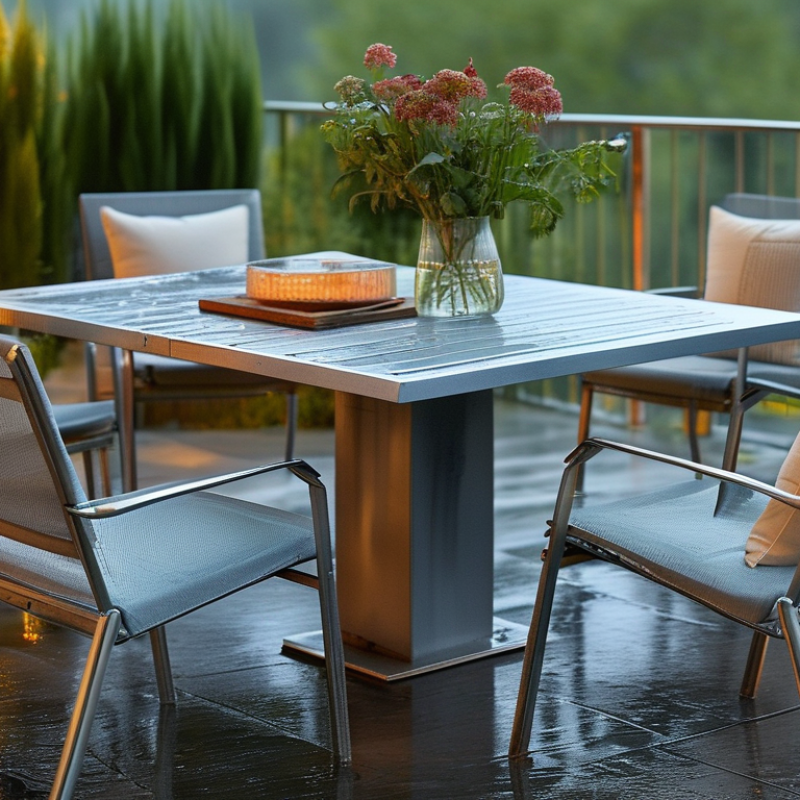
Defining Your Outdoor Space and Furniture Requirements
Before choosing outdoor furniture, define how your space should function. Measure the patio, balcony, or garden corner carefully. Note doors, steps, drainage areas, and strong afternoon sun. A narrow balcony may need foldable chairs, while a large terrace can support dining and lounging zones. Leave clear walking paths. Comfort matters more than filling every empty area.
Tip 1: List your real outdoor habits. Do you eat outside, read quietly, host guests, or garden nearby? Your answers should guide the furniture size and quantity. I once planned a seating area too generously, and the walkway became awkward. Measurements can be correct, yet the layout can still feel wrong.
Your local conditions also shape the requirements. Check rainfall, wind exposure, humidity, and seasonal temperature changes. Choose stable frames, breathable cushions, and surfaces that are easy to clean. Test seat height and back support before buying whenever possible. A beautiful chair may become uncomfortable after twenty minutes. Consider storage, too. Cushions left in damp weather can develop odors and wear quickly.
Tip 2: Build a simple priority list. Mark each requirement as essential, useful, or optional. Keep space for movement and maintenance. Tip 3: Imagine one ordinary day. Will the furniture still work when the table is covered, guests arrive, or the sun shifts? Small oversights often appear after installation, not during shopping.
10 Tips for Choosing the Best Outdoor Furniture
Use these practical priority scores to define your outdoor space, assess furniture requirements, and create a comfortable, durable layout.
The scores reflect common outdoor planning considerations, including available space, comfort, weather resistance, maintenance, safety, and flexibility.
Comparing Materials for Durability and Weather Resistance
10 Tips for Choosing the Best Outdoor Furniture
Comparing Materials for Durability and Weather Resistance
Start with your local weather, not the showroom appearance. Strong sunlight can fade fabric and weaken some plastics. Coastal air may corrode untreated steel within months. Aluminum resists rust and stays relatively light, but thin frames can dent. Powder-coated surfaces help, though scratches may expose vulnerable metal. Check welded joints and drainage holes before buying. Small details matter.
For humid or rainy areas, dense hardwood can perform well when sealed regularly. It still needs cleaning, airflow, and occasional oiling. I once chose untreated wood for a covered patio, assuming the roof offered enough protection. It developed dark mildew after one wet season. That mistake changed my checklist. Recycled plastic and high-density resin resist moisture and require less care, but lower-quality pieces may become brittle under intense ultraviolet light. Not always obvious.
Steel offers strength, especially with a sound protective coating and stainless fasteners. Inspect every screw, hinge, and connection. A rust-resistant frame can still fail because ordinary hardware corrodes first. Cushions need quick-drying foam and removable, UV-resistant covers. Test whether water can escape after a storm. Read care instructions and realistic warranty terms, rather than trusting broad claims. Good furniture should match your climate, storage habits, and willingness to maintain it. There is no perfect material.
Selecting Furniture Styles, Sizes, and Functional Features
10 Tips for Choosing the Best Outdoor Furniture
Selecting Furniture Styles, Sizes, and Functional Features
Outdoor furniture should fit your routine, not only your patio. Measure the doorway, walkway, and usable floor area before shopping. Leave about 36 inches for comfortable movement around dining chairs. A compact balcony suits folding chairs, nesting tables, and slim profiles. Large patios can handle deep seating, but oversized pieces may make movement awkward. I once chose a beautiful sofa that blocked a storage door. It looked right. It worked badly.
Choose one clear style language, such as warm wood, clean metal, or relaxed woven textures. Then repeat its color or shape twice. Grand View Research valued the global outdoor furniture market at approximately $17.07 billion in 2023, showing strong demand for considered outdoor spaces. That growth also creates too many choices. Resist matching every item perfectly. Slight contrast often feels more natural.
Function deserves equal attention. Look for removable covers, quick-drying cushions, adjustable backs, drainage gaps, and rust-resistant hardware. Check the fabric-care instructions before purchase. The American Society of Landscape Architects’ residential design research consistently identifies outdoor living areas as a leading homeowner priority. Shade matters too. Add an umbrella or pergola where afternoon glare reaches the seating. Test the chair height with your table. It may sound minor. It changes everything. I still misjudge cushion thickness sometimes, especially after rain. Recheck comfort, storage space, and local weather before committing.
Evaluating Comfort, Maintenance, and Long-Term Value
Choosing outdoor furniture is less about appearance than how it behaves after months of weather and regular use. Sit on each chair for ten minutes, not ten seconds. Check whether your feet rest firmly on the ground and your knees stay near a right angle. Soft cushions can feel luxurious at first, but poorly supported foam may flatten quickly. Comfort should survive beyond the showroom.
Maintenance affects both effort and long-term value. Look for removable, washable covers and cushions that dry quickly after rain. Slatted surfaces usually drain better than flat ones, while tightly woven materials can trap leaves and moisture. Examine joints, fasteners, and underside coatings carefully. A small rust spot can reveal weak protection. It is easy to underestimate this detail.
Think about your local conditions. Strong sunlight may fade fabric, coastal air may corrode metal, and winter freezing can damage waterlogged materials. Choose furniture that matches those pressures, rather than selecting the heaviest or most expensive option. Keep a simple cleaning schedule, and store cushions in a dry, ventilated place. I once ignored that advice and found mildew under a covered cushion. The cover protected it from rain, but trapped humidity did the real damage. That mistake changed how I judge outdoor furniture: convenient care matters as much as attractive design. A realistic maintenance routine is more valuable than promises of effortless durability.
| Tip | Evaluation Dimension | What to Check | Useful Benchmark or Typical Data | Why It Matters | Recommended Selection |
|---|---|---|---|---|---|
| 1 | Seat Comfort | Seat depth, back angle, cushion thickness, and armrest height | A seat depth of approximately 20–24 inches and a seat height of about 16–19 inches suit many adults. Cushions around 3–5 inches thick generally provide better support than thin pads. | Correct proportions reduce pressure behind the knees and support comfortable sitting for longer periods. | Choose furniture in person when possible, or compare published dimensions with the body measurements of the primary users. |
| 2 | Weather Resistance | Resistance to sunlight, rain, humidity, frost, and temperature changes | Powder-coated metal, treated hardwood, synthetic resin, and solution-dyed outdoor fabrics are commonly designed for exterior use. No material is completely maintenance-free in severe weather. | Weather exposure is a major cause of fading, corrosion, cracking, swelling, and premature replacement. | Match the material to the local climate and use protective covers or sheltered storage during extreme conditions. |
| 3 | Maintenance Requirements | Cleaning method, refinishing needs, rust prevention, and storage requirements | Most outdoor furniture benefits from seasonal cleaning. Mild soap and water are suitable for many surfaces; wood may require periodic oiling or sealing, while metal should be checked for chipped coatings and rust. | Simple care routines help preserve appearance and extend usable life. | Select finishes that can be cleaned without harsh chemicals and follow the manufacturer’s care instructions. |
| 4 | Frame Durability | Frame construction, joints, fasteners, weight capacity, and stability | Welded or reinforced joints usually resist loosening better than lightly assembled connections. Stainless or corrosion-resistant fasteners are preferable in damp or coastal environments. | A strong frame supports safety, reduces wobbling, and lowers repair frequency. | Inspect joints, legs, welds, and hardware rather than judging quality by appearance alone. |
| 5 | Cushion Performance | Foam density, water drainage, fabric construction, and removable covers | Quick-dry cushions typically use open-cell foam or drainage-focused construction. Removable, washable covers make routine cleaning easier. Water-resistant fabric is not necessarily waterproof. | Proper drainage reduces drying time, odor, mildew risk, and deterioration of internal materials. | Prefer breathable, quick-drying cushions with removable covers and secure ties or non-slip features. |
| 6 | UV and Color Retention | Fabric dye method, finish stability, and exposure to direct sunlight | Solution-dyed synthetic fibers generally retain color better than fibers dyed only after being woven. Even UV-resistant fabrics may fade gradually under continuous direct sunlight. | Better color stability helps the furniture maintain a coordinated appearance over several seasons. | Use UV-rated fabrics and place furniture where it receives partial shade when practical. |
| 7 | Space and Function | Available floor area, walking clearance, folding or stacking options, and table height | Allow at least 30–36 inches of circulation space around frequently used seating and dining areas. Measure doors, elevators, balconies, and storage areas before purchasing. | Furniture that fits the site properly is safer, easier to use, and less likely to be damaged during movement. | Create a scaled layout using the furniture’s assembled dimensions, including space for chairs to slide out. |
| 8 | Safety and Stability | Tip resistance, rounded edges, locking mechanisms, and wind exposure | Heavier or appropriately anchored pieces are generally more stable in windy locations. Folding products should have secure locking mechanisms, and glass surfaces should be designed for outdoor use. | Stability reduces the risk of tipping, movement, breakage, and injury. | Choose low-center-of-gravity designs for exposed areas and secure lightweight items before storms. |
| 9 | Long-Term Value | Expected service life, repairability, replacement parts, and total ownership cost | Durability varies widely by material, climate, construction, and care. A higher initial price can provide better value when frames, slats, cushions, or hardware can be repaired or replaced individually. | Purchase price alone does not show the full cost of ownership. | Compare estimated cost per year: purchase price plus maintenance and replacement costs divided by expected years of use. |
| 10 | Environmental Impact | Material sourcing, recycled content, repairability, recyclability, and packaging | Aluminum and steel are widely recyclable; responsibly sourced wood can reduce concerns about illegal harvesting; durable products generally reduce replacement-related waste. | Long service life and repairable construction can reduce resource use over time. | Prioritize transparent material information, durable construction, replaceable components, and end-of-life recycling options. |
Checking Safety, Sustainability, and Purchase Considerations
10 Tips for Choosing the Best Outdoor Furniture
Checking Safety, Sustainability, and Purchase Considerations
A safe outdoor chair should sit firmly on level ground without rocking. Test every joint, hinge, and armrest before buying. Check the stated weight capacity, rounded edges, and slip-resistant feet. For tables, inspect the base carefully; a wide base usually handles wind better. Outdoor cushions should dry quickly and resist flame without containing questionable treatments. I once ignored a loose bolt during a showroom test. It became a frustrating repair later.
Sustainability requires more than choosing a natural-looking material. Look for recycled content, responsibly sourced wood, and durable metal finishes. Ask whether replacement covers, screws, and cushions are available separately. Repairable furniture often creates less waste than a cheaper set that fails after one season. Check drainage holes beneath cushions, because trapped water encourages odor and material damage. No material is perfect. Even recycled plastic may involve energy-intensive production.
Before purchasing, measure the patio, doorway, and storage area with a tape measure. Leave enough space to walk around opened chairs and tables. Read care instructions, delivery terms, return conditions, and warranty limits. A low price may hide assembly costs, weak hardware, or expensive replacement parts. Compare the furniture’s total ownership cost over several years. Keep product specifications and receipts in a digital folder. If information seems vague, pause and ask specific questions. Reliable sellers should answer clearly, not pressure you into a quick decision.
Related Posts
-
How to Choose the Perfect Outdoor Furniture for Your Space Based on Industry Insights
-
How to Choose the Best Quality Patio Furniture for Your Outdoor Space: A Comprehensive Guide
-
How to Choose the Perfect Outdoor Seating Furniture for Your Space
-

7 Reasons Why Our Store is the Top Choice for Best Patio Furniture in 2023
-
Ultimate Outdoor Seating Checklist for Your Perfect Patio Setup
-

Achieving International Trade Certification for the Best High Quality Patio Furniture Industry