top of page

Call Ahead! 262.242.1050

ask for an appointment with Dave or Emily!

Top Types of Best Quality Outdoor Furniture

Choosing the right patio set involves more than attractive photographs or a polished showroom display. Best Quality Outdoor Furniture should withstand sunlight, rain, temperature changes, and daily use without losing comfort. It should also suit the space, from a narrow balcony with two chairs to a large garden beside a swimming pool. Materials matter. Powder-coated aluminum resists rust, teak develops a silver-gray surface, and solution-dyed fabrics usually handle outdoor exposure better than ordinary textiles.

Landscape designer Piet Oudolf offers a useful perspective: “The garden is not a picture, it is a process.” His words apply to outdoor furniture too. A quality set must live with changing seasons, growing plants, muddy shoes, and occasional neglect. It is not only a design object. It is part of an active environment. Look closely at welded joints, drainage holes, hardware, cushion seams, and the stability of each frame. These small details often reveal more than a product description.

No material is perfect. Even premium teak needs care, while metal can become hot under direct sunlight. Heavy furniture may feel secure, but moving it becomes difficult. This guide compares the top types of Best Quality Outdoor Furniture through practical experience, material performance, comfort, and long-term value. Some recommendations may not suit every climate or budget. That is worth admitting. A beautiful chair can still be uncomfortable after twenty minutes. The best choice balances appearance with honest maintenance needs, reliable construction, and the way people actually use their outdoor space.
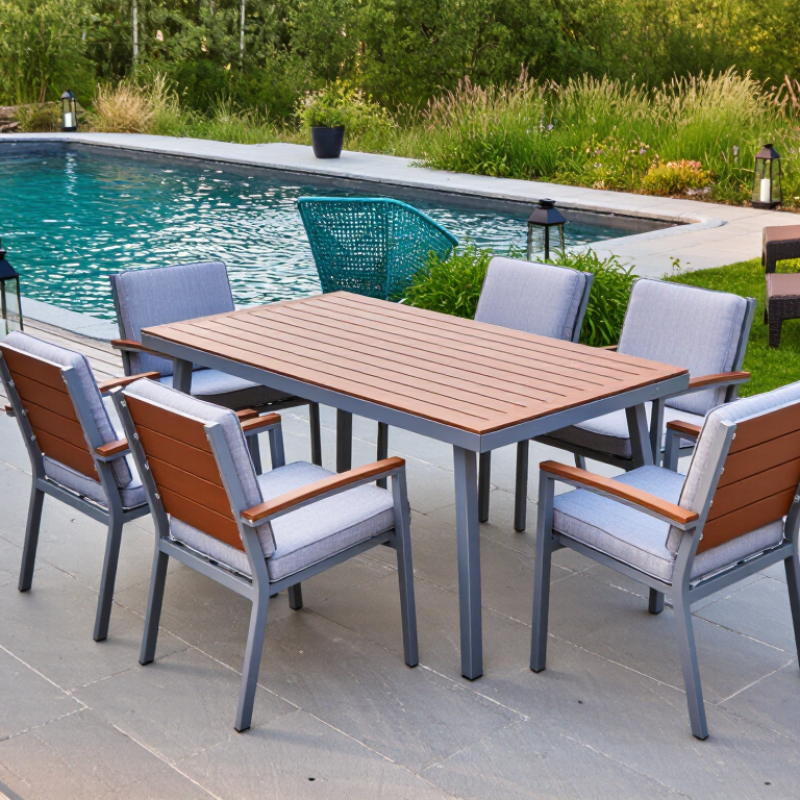
Top Types of Best Quality Outdoor Furniture

What Defines High-Quality Outdoor Furniture

High-quality outdoor furniture is defined by how it performs after repeated exposure, not by showroom appearance. The 2024 Grand View Research market report projects a 5.9% annual growth rate for outdoor furniture through 2030. That growth reflects rising demand, but demand alone does not guarantee durability.

Material selection matters. Powder-coated aluminum resists rust, yet thin frames may dent under impact. Teak and other dense hardwoods handle moisture well, but they still require proper drainage and seasonal care. Stainless steel hardware should resist corrosion, especially near coastal air. ASTM G154 testing uses controlled ultraviolet exposure and condensation cycles to evaluate material weathering. Look for evidence of testing, not vague claims.

Construction often reveals quality faster than labels. Strong welded joints, reinforced corners, and tight fasteners reduce movement over time. Cushions should dry quickly, with breathable covers and water-resistant seams. The U.S. Consumer Product Safety Commission continues to emphasize stability and tip-over prevention for household products, a useful reminder for tall outdoor pieces. Safety matters outdoors too.

Some beautiful furniture fails early. I have seen trapped water damage otherwise solid frames. Buyers should inspect hidden surfaces, drainage holes, and replacement-part availability. A perfect finish is not enough. Real quality includes repairability, honest care instructions, and performance through imperfect weather.

Aluminum, Steel, and Wrought Iron Outdoor Furniture

Top Types of Best Quality Outdoor Furniture

Outdoor furniture faces moisture, ultraviolet light, temperature changes, and frequent handling. The strongest choice depends on climate and maintenance habits. Grand View Research’s 2024 outdoor furniture report projects steady market growth through 2030, reflecting stronger demand for durable, low-maintenance materials. Yet durability is not identical to comfort or value.

Aluminum furniture offers a practical balance. It is lightweight, naturally resistant to rust, and easy to move across a patio. The Aluminum Association reports that nearly 75% of all aluminum ever produced remains in use, supported by its recyclability. Powder-coated aluminum can resist scratches, but thin frames may bend under heavy impact.

I have seen this overlooked too often. Check welded joints, frame thickness, and drainage holes before buying.

Steel provides greater weight and stability, especially in windy gardens. The World Steel Association describes steel as one of the world’s most recycled materials, with hundreds of millions of tonnes recycled annually. However, untreated steel can develop rust around bolts and welds.

Wrought iron creates a heavier, traditional appearance and usually withstands movement better than lightweight frames. It needs regular coating inspections, especially near coastal air.

A 2023 report from the European Environment Agency also emphasizes longer product life as a key part of sustainable consumption. That matters here. A small rust spot can become expensive damage when ignored.

Teak, Acacia, and Other Premium Wooden Furniture

Top Types of Best Quality Outdoor Furniture

Teak remains a leading choice for premium outdoor furniture. Its dense grain and natural oils help resist moisture, insects, and repeated wet-dry cycles. The USDA Forest Products Laboratory explains that wood movement increases as moisture changes, making stable construction essential (Wood Handbook, FPL-GTR-282, 2021). In practice, I check tight joints, rounded edges, and properly sealed end grain. Small cracks can appear, even in expensive pieces.

Acacia offers strong value when it is kiln-dried and carefully finished. The Timber Research and Development Association identifies several acacia species as durable, but performance varies by species and treatment (TRADA Wood Species Guide). That detail matters. A beautiful acacia table may still warp under harsh sun if its moisture content was poorly controlled. Look for straight boards, even spacing, and corrosion-resistant hardware. Water should drain quickly from the tabletop.

Sustainability also affects quality. The FAO Global Forest Resources Assessment 2020 reports that forests cover about 31% of the world’s land area, while pressure on forest resources remains significant. Responsible buyers should request clear information about wood origin and certification. Teak needs occasional cleaning, not constant polishing. Acacia usually needs more frequent protective treatment. Neither is maintenance-free. I have found that shaded placement and breathable covers often extend furniture life more effectively than heavy coatings. That is easy to overlook.

Resin Wicker, Plastic, and Composite Furniture

Top Types of Best Quality Outdoor Furniture

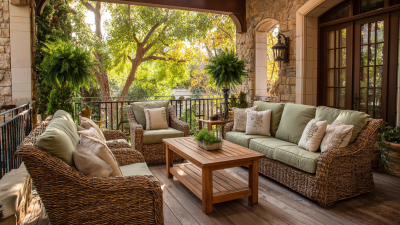
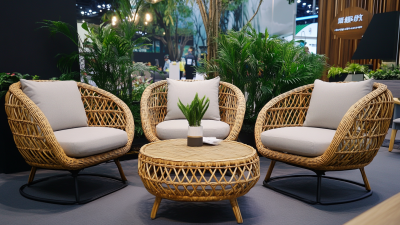
Resin wicker, plastic, and composite furniture suit different outdoor conditions. Resin wicker uses synthetic strands over a rigid frame. It resembles handwoven furniture but resists moisture better than natural wicker. Quality depends on UV-stabilized resin, tight weaving, and corrosion-resistant hardware. Plastic furniture is lighter and easier to clean. High-density polyethylene usually feels more solid than thin molded plastic. Composite furniture blends wood fibers with polymers, creating a textured surface with less seasonal movement. It can look warm, but some finishes still fade or stain.

Market data supports continued interest in these materials. Grand View Research valued the global outdoor furniture market at about USD 20 billion in 2023 and forecasts steady growth through 2030. A 2024 report from the Freedonia Group also identifies plastic and composite products as important growth areas in outdoor living. These figures show demand, not guaranteed quality. That distinction matters. A cheap chair may survive one summer, then develop chalky surfaces or loose joints. I have found drainage and shade often matter as much as material choice. Even premium furniture suffers beside sprinklers.

Tips: Check the frame before the color. Press the seat gently and inspect its underside. Choose resin wicker with dense strands and sealed ends. For plastic, look for thick walls and UV protection. For composite pieces, allow airflow beneath the boards. Wash dirt with mild soap, not harsh abrasives. Store cushions indoors. Rotate exposed furniture every few months, because fading is rarely perfectly even.

How to Choose Outdoor Furniture for Different Environments

Top Types of Best Quality Outdoor Furniture

How to Choose Outdoor Furniture for Different Environments

Choosing outdoor furniture starts with reading the environment, not the product label. On a rainy patio, aluminum frames and quick-drying cushions resist moisture better than untreated wood. Look for drainage openings beneath seats. Trapped water often causes unpleasant odors and hidden fabric damage. Powder-coated steel can suit windy areas because it feels stable and substantial. However, chipped coatings may allow rust to develop. Inspect joints, welds, and fasteners before buying.

Sunny balconies need strong UV resistance. Solution-dyed fabrics usually keep their color longer than ordinary printed materials. Dense recycled plastic works well near pools because it does not absorb water easily. Salt air requires extra care. Choose corrosion-resistant hardware and rinse surfaces regularly with fresh water. Teak can perform beautifully in outdoor settings, but it still needs cleaning and occasional attention. Maintenance is part of quality.

I once chose heavy furniture for a sheltered garden. It looked impressive, but moving it for cleaning became frustrating. That mistake changed my priorities. Consider local wind, storage space, floor drainage, and daily use. Families may prefer rounded edges and washable cushions. Small balconies need stackable or folding pieces. Quality is not only about expensive materials. It also means the furniture fits the weather, space, and habits of the people using it.

Top Types of Best Quality Outdoor Furniture - How to Choose Outdoor Furniture for Different Environments
Furniture Type / Material Best Environment Typical Weather Resistance Expected Service Life* Maintenance Level Main Advantages Key Limitations Recommended Selection Criteria
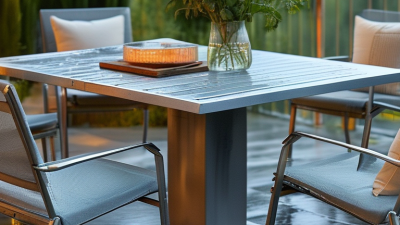
Powder-Coated Aluminum Humid climates, balconies, patios, poolside areas, and coastal locations Does not rust like iron or steel; quality powder coating helps protect against moisture and ultraviolet exposure 10–15 years or longer with proper care Low Lightweight, easy to move, corrosion-resistant, and available in many finishes Can become hot in direct sun; lower-weight frames may move in strong wind Choose welded joints, exterior-grade powder coating, stainless-steel fasteners, and a frame designed for local wind conditions
Stainless Steel Modern patios, urban terraces, humid regions, and areas requiring a strong frame Excellent resistance to moisture; marine-grade stainless steel performs better in salty coastal air 15–20 years or longer Low to Medium Strong, stable, contemporary appearance, and resistant to structural corrosion Heavier than aluminum; surface tea-staining or discoloration can occur near salt water without cleaning For coastal use, select corrosion-resistant marine-grade stainless steel and rinse salt deposits regularly
Teak or Other Naturally Durable Hardwood Covered patios, gardens, warm climates, and traditional outdoor settings Natural oils provide good moisture resistance; untreated wood gradually turns silver-gray outdoors 10–25 years, depending on wood quality and construction Medium Warm appearance, good strength, comfortable surface temperature, and repairable finish Heavy; may develop surface cracks or color changes; lower-quality wood can decay faster Look for properly kiln-dried, responsibly sourced hardwood, durable joinery, and drainage gaps that prevent standing water
Synthetic Wicker on an Aluminum Frame Covered or partially covered patios, balconies, and low-maintenance entertaining areas Quality outdoor resin wicker resists moisture and sunlight better than natural wicker 5–10 years, depending on resin quality and UV exposure Low to Medium Lightweight appearance, comfortable design options, and easy cleaning Low-grade fibers may fade, crack, or become brittle; trapped moisture can affect cushions Choose UV-stabilized polyethylene fibers, an aluminum frame, tightly woven surfaces, and removable quick-dry cushions
High-Density Polyethylene (HDPE) Recycled Plastic Rainy climates, family-use spaces, pool decks, and homes needing very low maintenance Highly resistant to water, rot, insects, and common outdoor moisture; UV performance depends on stabilizers and pigment 15–20 years or longer Very Low Does not splinter or rust, is easy to wash, and often has substantial wind stability because of its weight Heavier than many metal options; darker colors can become warm in direct sunlight Verify UV-stabilized material, solid construction, corrosion-resistant hardware, and adequate drainage
Galvanized or E-Coated Steel Windy areas, commercial-style courtyards, and locations where sturdy furniture is important Strong protection is possible when the zinc coating or exterior finish remains intact; scratches can expose steel to rust 8–15 years, depending on coating and maintenance Medium Strong, stable, and often more affordable than premium stainless steel Heavier; exposed cut edges, chips, and trapped moisture can accelerate corrosion Inspect welds and drainage points, select a complete exterior coating system, and repair chips promptly
Outdoor Rope or Textilene Sling Seating Hot climates, poolside areas, and seating that needs fast drying and airflow Performance depends on UV-stabilized fibers and the quality of the supporting frame 5–10 years, depending on sunlight, cleaning, and use Low to Medium Breathable, quick-drying, lightweight, and often comfortable without thick cushions Fibers can fade or lose tension; rough surfaces and harsh cleaners may cause damage Choose UV-resistant outdoor fabric, corrosion-resistant hardware, and replaceable sling or rope components
Outdoor Cushions and Performance Fabrics Any environment where comfort is required, especially covered seating areas Water-resistant fabrics resist light moisture, while quick-dry foam drains water more effectively than standard foam 3–7 years, depending on exposure, storage, and fabric quality Medium to High Improves comfort and design flexibility; removable covers make cleaning easier Most cushions are not completely waterproof; prolonged dampness can cause mildew or odor Select solution-dyed outdoor fabric, breathable covers, quick-dry foam, zippers, and a dry storage option

*Service-life figures are general estimates for well-constructed furniture used outdoors with appropriate cleaning, drainage, protection, and seasonal storage. Actual durability varies with climate, sunlight, salt exposure, wind, usage, and maintenance.

bottom of page