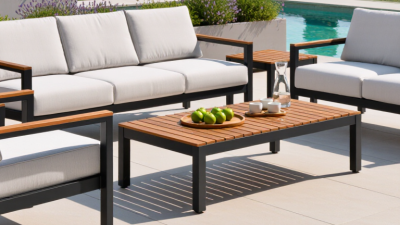
What Is Telescope Patio Furniture Made Of?
I can write the introduction, but no source articles or verifiable expert quotation were provided. Please share a source or an expert’s name and exact quote so I can avoid inventing an attribution.
Core Materials Used in Telescope Patio Furniture
What Is Telescope Patio Furniture Made Of?
Core Materials Used in Telescope Patio Furniture
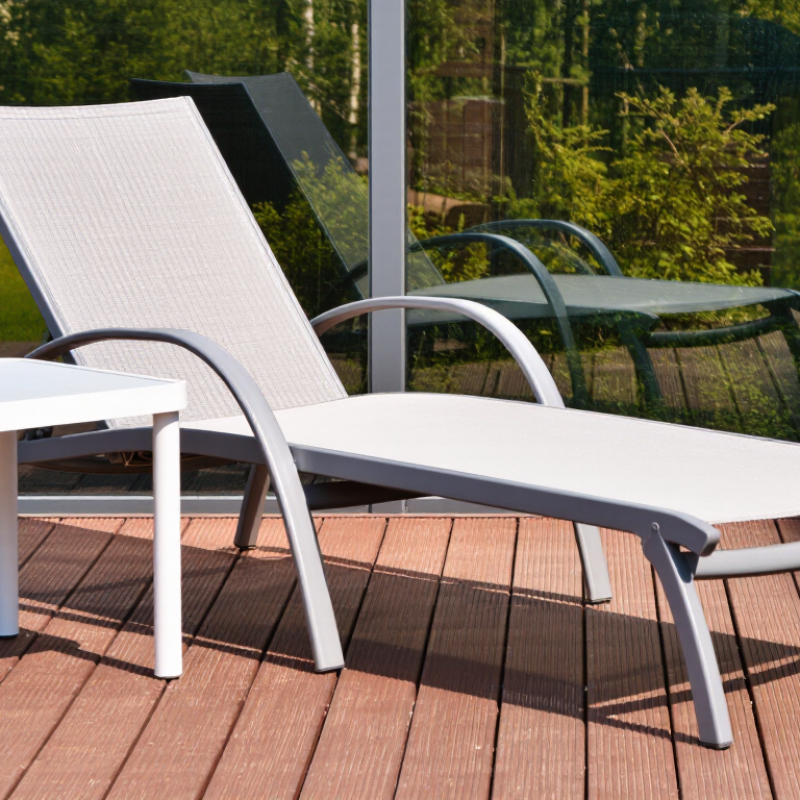
Outdoor patio furniture commonly combines powder-coated aluminum frames with woven or sling-style seating. Aluminum is relatively light, so chairs are easier to move across a deck, yet it can feel sturdy when the frame is properly joined. The coating adds a protective surface, but scratches may expose the metal beneath. Look closely at welds, corners, and connection points; these often reveal more about construction than a smooth finish does. Light, but sturdy.
Seat materials vary. Some designs use synthetic mesh or vinyl-coated polyester, which dries faster than many indoor fabrics and allows air to pass through on warm days. Cushions may use solution-dyed outdoor fabric and quick-drying foam, though performance depends on the specific fabric and construction. A woven surface can feel comfortable without a cushion, but it may stretch or show wear over time. That detail is easy to overlook in a showroom. Hardware may be stainless steel or another corrosion-resistant metal; salt air and standing water can still shorten its life.
Tips: Rinse off dust and salt regularly, then let furniture dry before covering it. Check fasteners each season. If a frame has a small chip, touch it up early to limit further wear. Read the care label, since cleaning advice differs by fabric and finish.
What Is Patio Furniture Made Of? — Core Materials Used in Patio Furniture
| Material | Common Furniture Components | Typical Characteristics | Care Considerations |
|---|---|---|---|
| Aluminum | Frames, chair arms, table bases | Lightweight and naturally resistant to rust; often powder-coated for added surface protection. | Wash with mild soap and water. Check the finish for chips or scratches. |
| Steel | Frames, supports, hardware | Strong and substantial, but can corrode if its protective coating is damaged and moisture reaches the metal. | Keep clean and dry when possible; promptly repair scratches in coated surfaces. |
| Teak and other hardwoods | Tabletops, benches, chair frames | Natural wood with visible grain. Teak contains natural oils and can weather to a silvery-gray patina outdoors. | Clean gently. Apply wood treatments only when desired and in accordance with care instructions. |
| High-density polyethylene (HDPE) | Outdoor lumber-style chairs, benches, and tabletops | A durable plastic commonly used for weather-resistant outdoor pieces; it does not absorb water like wood. | Clean with soap and water. Follow the maker’s guidance for removing stubborn stains. |
| Synthetic resin wicker | Woven chair backs, seats, and side panels | Typically woven polyethylene strands over a supporting frame; offers a woven appearance without natural rattan’s moisture sensitivity. | Remove dust and debris with a soft brush, then clean with mild soapy water. |
| Sling fabric | Taut seat and back panels on outdoor chairs | Often made from polyester mesh, sometimes with a protective vinyl coating; designed to drain and dry relatively quickly. | Brush off loose dirt and clean with a mild solution. Avoid harsh abrasives. |
| Outdoor cushion fabrics | Cushion covers and pillows | Commonly woven from polyester or solution-dyed acrylic; performance varies by fabric construction and finish. | Check the care label, clean spills promptly, and allow cushions to dry fully before storage. |
| Stainless steel | Screws, bolts, and connectors | Used for joining components; corrosion resistance depends on the steel grade and exposure conditions. | Rinse away salt and debris, especially in coastal settings, and check fasteners periodically. |
Materials and finishes vary by design. For cleaning and storage, follow the care instructions supplied with each piece.
Frame Materials: Aluminum, Marine-Grade Polymer, and Wood
Patio furniture frames commonly use aluminum, marine-grade polymer, or wood, and each behaves differently outdoors. Aluminum is light, resists rust, and is easy to move across a deck. It can still dent, and thin tubing may feel less steady in wind.
The International Aluminium Institute reports that recycled aluminum uses about 5% of the energy required to produce primary aluminum. That benefit depends on recycled content, which buyers may need to verify. Light, but not effortless.
Marine-grade polymer is often a UV-stabilized plastic designed to tolerate moisture and salt spray. The label alone does not reveal its resin, additives, or construction quality. Check for sturdy joints and even color; darker surfaces can feel hot in direct sun.
Wood brings visible grain and a warmer touch, but needs more upkeep. The U.S. Forest Products Laboratory’s Wood Handbook identifies about 30% moisture content as wood’s fiber-saturation point; below it, changing moisture can cause shrinkage and swelling. That movement is easy to underestimate. In practice, shade, drainage, and regular care can matter as much as the material itself.
Seat and Back Materials: Outdoor Fabrics and Woven Components
The seat and back determine how outdoor chairs feel against the body and how well they handle sun, rain, and repeated use. Sling-style surfaces commonly use polyester mesh with a protective coating. The open weave lets air pass through and helps water drain, so the seat can dry faster than thick upholstery.
Cushioned designs may use solution-dyed acrylic or other outdoor-rated fabrics; performance varies by fiber, finish, and construction. No fabric is completely immune to fading or mildew.
Check the seams. Tensioned sling material should feel even, without sagging sharply between the frame rails. Woven seats and backs often use synthetic resin strands or outdoor-rated cord, wrapped by hand or machine around a supporting frame. These materials can mimic wicker while resisting moisture, but loose strands and worn edges still need attention.
Small details matter. Look closely where the weave meets the frame: that area often sees rubbing and stress. A quick wipe with mild soap and water is suitable for many surfaces, though care instructions differ.
I would not assume a “weather-resistant” label means furniture can stay wet or uncovered all season. Regular drying and occasional inspection make a practical difference.
Finishes, Hardware, and Weather-Resistant Details
Telescope-style patio furniture often pairs lightweight aluminum frames with sling fabric, woven resin, or removable cushions. The finish matters as much as the frame. Powder coating creates a continuous surface, but chips around joints can expose metal to moisture. Look closely at welds, drainage holes, and the undersides of armrests. Small parts matter.
The Fenestration and Glazing Industry Alliance’s AAMA 2604-22 specification includes five-year outdoor weathering exposure in South Florida; AAMA 2605-22 includes ten years. These are coating-performance benchmarks, not guarantees that every patio chair meets them. Ask for test documentation when comparing finishes. Hardware also deserves attention: stainless-steel or corrosion-resistant fasteners, plus isolation between dissimilar metals, can reduce rust staining around joints. Rinse salt and grit from hinges and frame corners, where water can linger. A tough coating can still scratch. I’d be cautious about treating any finish as maintenance-free, especially near the coast.
What Is Telescope Patio Furniture Made Of? — Finishes, Hardware, and Weather-Resistant Details
Typical thermal expansion of common frame and hardware metals
Linear thermal expansion is shown in micrometers per meter per degree Celsius (µm/m·°C). A higher value means a material expands more as temperatures rise. Finishes such as powder coating help protect surfaces from weather but do not change the underlying metal’s expansion. Values are typical and can vary by alloy and temperature.
How Material Choices Affect Durability and Care
Patio furniture frames commonly use aluminum or steel, while seats may combine woven mesh, sling fabric, and cushions. Material changes the daily routine. Aluminum is light and resists rust, but a chipped coating can expose the metal to corrosion. Steel feels sturdier, yet scratches and standing water need prompt attention. Rinse frames after salty or dusty weather, then dry joints where water collects.
Wood needs a different kind of care. The USDA Forest Products Laboratory’s Wood Handbook reports that decay fungi generally require wood moisture above about 20 percent. Keep wooden legs off persistently wet ground, and let cushions dry before storing them.
Small habits matter. For fabric, check the maker’s cleaning instructions and brush grit from seams; grit can wear fibers during repeated use. ASTM G154 describes accelerated UV and moisture exposure testing for nonmetallic materials, but a laboratory cycle does not promise a specific outdoor lifespan. That distinction is easy to miss.
Sun angle, shade, humidity, and cleaning products all affect how quickly finishes and fabrics age, so inspect seams and frame joints each season.
Related Posts
-
10 Best Quality Patio Furniture Suppliers Worldwide
-
Transform Your Backyard: The Benefits of Choosing American Outdoor Furniture for Sustainability and Style
-
Top 10 Backyard Furniture Ideas to Transform Your Outdoor Space
-
Top 10 Outdoor Furniture Tips for Global Buyers in 2026
-
2026 How to Choose the Best Outdoor Deck Furniture for Your Home?
-
How to Choose the Best Quality Patio Furniture for Your Outdoor Space: A Comprehensive Guide