Top 10 Outdoor Furniture Tips for Global Buyers in 2026
As we approach 2026, the market for outdoor furniture evolves rapidly. Buyers today face new challenges and opportunities. Choosing the right pieces can transform outdoor spaces into inviting retreats.
In this guide, we share vital tips for global buyers navigating the outdoor furniture landscape. Quality materials are essential for durability against the elements. But understanding design trends is equally important. A well-designed space enhances both function and aesthetics.
Many buyers overlook the importance of comfort. Your outdoor furniture should not only look good but also offer relaxation. Balancing style, functionality, and price can be tricky. However, investing time in research pays off. The right outdoor furniture can significantly elevate your outdoor experience.
Understanding Global Trends in Outdoor Furniture for 2026
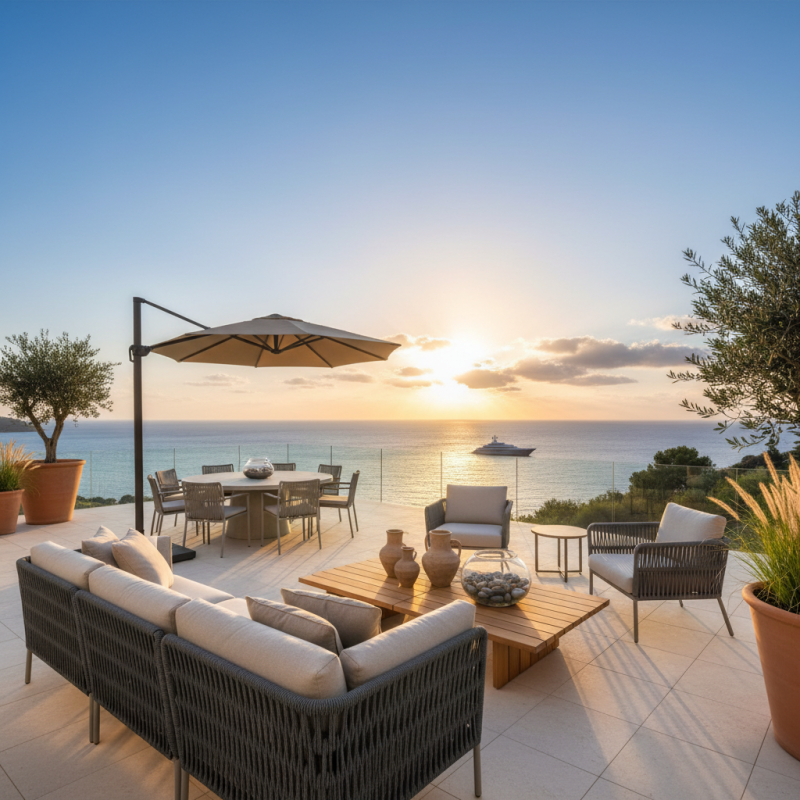
In 2026, outdoor furniture trends reflect a shift towards sustainability and minimalism. Buyers now prefer eco-friendly materials like reclaimed wood and recycled metals. This change is driven by rising environmental awareness. Consumers seek pieces that tell a story while offering functionality. People desire furniture that complements outdoor spaces without overwhelming them.
A focus on multi-functional designs is also emerging. Foldable chairs and convertible tables are gaining popularity. These items maximize space and adapt to various settings. Global buyers appreciate versatility in their investments. However, the challenge remains in balancing design with comfort. Consumers must consider how aesthetics affect usability.
Colors are evolving too. Natural hues dominate the palette, bringing a sense of calm. Pastel shades add a modern twist, yet they often show wear easily. Buyers should reflect on maintenance needs before purchasing. The quest for the perfect piece can be daunting, but understanding trends helps navigate choices.
Key Considerations for Material Selection in Outdoor Furniture
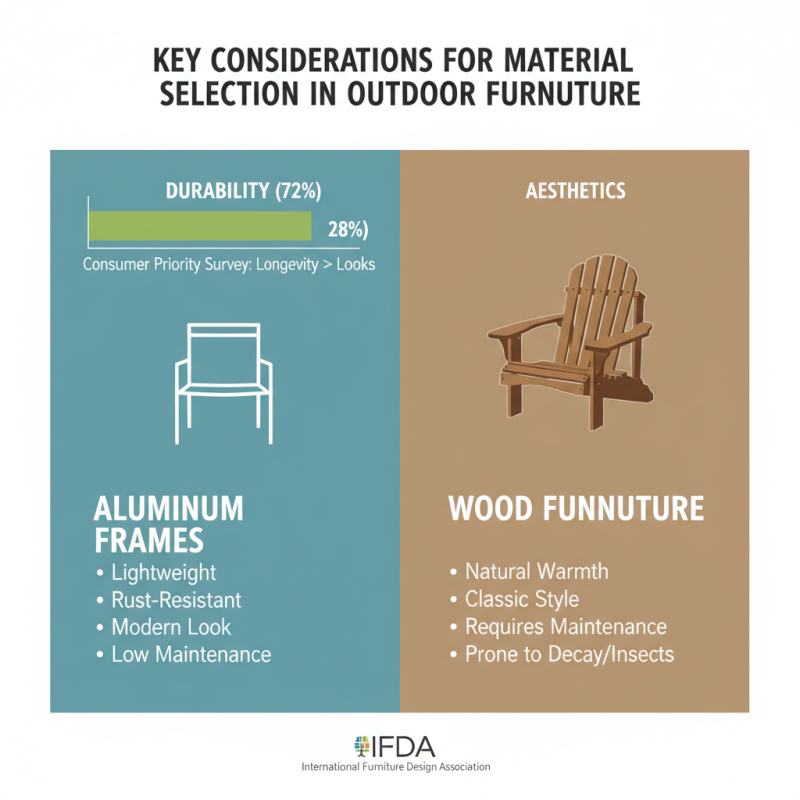
When choosing materials for outdoor furniture, durability is essential. A survey by the International Furniture Design Association revealed that 72% of consumers prioritize longevity over aesthetics. This statistic highlights the need for robust materials that withstand various weather conditions. For instance, aluminum frames are lightweight and resistant to rust, making them popular for outdoor settings. On the other hand, wood can provide a warm, natural look, but requires regular maintenance to prevent decay and damage from insects.
Weather resistance plays a critical role in material selection as well. Research from Statista indicates that 45% of outdoor furniture buyers reported issues due to weather exposure. Polypropylene and synthetic wicker are excellent choices for those seeking low-maintenance options. These materials resist fading and are easy to clean, which appeals to busy homeowners. In contrast, natural materials often lack these properties, raising questions about their practicality for outdoor use.
Considering sustainability is also vital in today’s market. The Sustainable Furnishings Council reported that 65% of consumers prefer eco-friendly materials. Reclaimed wood and recycled metals can satisfy this demand. However, sourcing these materials can be challenging. This inconsistency raises concerns about the overall reliability of suppliers in the eco-friendly market. While the pursuit of sustainable materials is commendable, the fluctuating standards can create uncertainty for buyers seeking responsible options.
Design Styles That Appeal to International Buyers
When considering outdoor furniture styles appealing to international buyers, understanding regional preferences is crucial. According to a recent industry report, 67% of global buyers prefer minimalist designs that blend functionality with aesthetics. This trend emphasizes simplicity paired with durable materials, attracting a diverse customer base. For instance, Scandinavian styles often resonate with buyers in Europe due to their clean lines and natural wood elements.
Conversely, in Asia, buyers lean towards vibrant colors and intricate patterns. Reports indicate that 53% of Asian consumers favor designs reflecting cultural heritage. Incorporating elements that tell a story can create a stronger emotional connection. Unique textures and finishes also play a vital role. Rough surfaces or weathered effects invoke an organic feel that resonates with outdoor settings.
However, some buyers express concerns about sustainability and environmental impact. A study pointed out that 45% of consumers are willing to pay a premium for eco-friendly materials. Designers and manufacturers should consider these insights. Adapting to varying preferences can be a challenge but also an opportunity for innovation. Understanding local tastes and incorporating sustainability into designs makes a significant difference in attracting international buyers.
Environmental Sustainability and Its Impact on Outdoor Furniture Choices
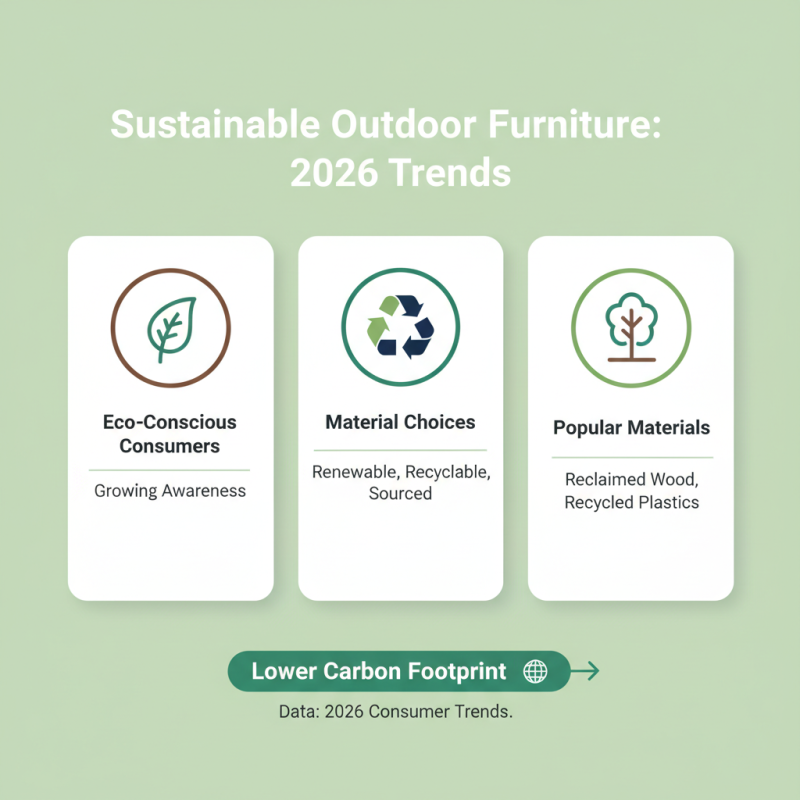
Environmental sustainability is becoming crucial in outdoor furniture choices. In 2026, consumers are more aware of their environmental impact. They seek materials that are renewable, recyclable, and sustainably sourced. For example, outdoor furniture made from reclaimed wood or recycled plastics is gaining popularity. These materials have lower carbon footprints compared to traditional options.
Many buyers are now questioning where their furniture comes from. They want to understand the supply chain. This demand for transparency leads manufacturers to adopt eco-friendly practices. Yet, there are challenges. Not all producers can consistently offer sustainable options. Some claim to be green but lack proper certification. It's vital for buyers to look for verified eco-labels.
Moreover, design and comfort shouldn't be sacrificed for sustainability. Consumers often struggle to find a balance. An aesthetic design can sometimes mean a compromise on materials. Thoughtful design can help avoid this issue. Innovative designs can integrate sustainable materials without compromising style or comfort. Being aware of these challenges allows buyers to make informed choices.
Tips for Maintenance and Care of Outdoor Furniture Investments
Proper maintenance of outdoor furniture is crucial for longevity. Regular cleaning is essential. Use mild soap and water to remove dirt. Avoid harsh chemicals that may damage finishes. Rinse thoroughly and allow pieces to dry in the shade to prevent fading.
Protect your investment by storing furniture indoors during harsh weather. If that’s not an option, use high-quality covers. They shield against rain, snow, and UV damage. Inspect furniture regularly for signs of wear. Loose screws and hinges can lead to bigger issues later.
Consider applying sealants or protective coatings as needed. These can refresh surfaces and provide an additional barrier against the elements. Remember, even small scratches can lead to larger damages. Repair any imperfections promptly. This attention to detail can vastly improve the lifespan of your outdoor pieces.
Related Posts
-
Ultimate Guide to Selecting the Best Outdoor Furniture for Your Needs
-
How to Choose the Perfect Outdoor Furniture for Your Space Based on Industry Insights
-
Explore Global Trends in Outdoor Furniture at the 137th Canton Fair 2025
-
Understanding Global Manufacturing Standards for Best Telescope Outdoor Furniture
-
Transform Your Backyard: The Benefits of Choosing American Outdoor Furniture for Sustainability and Style
-
How to Choose the Perfect Outdoor Seating Furniture for Your Space