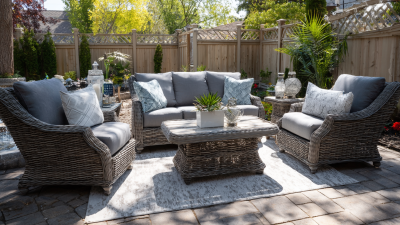
How to Choose the Best Patio Deck Furniture?
Choosing the right Patio Deck Furniture is not simply a matter of matching colors. It is a decision about comfort, weather, movement, and daily habits. A sunny deck may need fade-resistant fabric, while a covered balcony may allow softer materials. Salt air, heavy rain, and winter storage also change the best choice. Small details matter. Chair height matters.
Outdoor-living designer and landscape architect Thomas Balsley has said, “The best designs are those that allow people to inhabit space comfortably.” That idea guides this article. Good Patio Deck Furniture should invite people to stay, not merely fill an empty deck. Test the seat depth. Check whether the armrests support relaxed elbows. Notice if the table leaves enough room for plates, glasses, and passing feet.
Material selection requires practical judgment. Powder-coated aluminum resists rust and feels light enough to rearrange. Teak develops a silver-gray surface, although it still needs thoughtful cleaning. Resin wicker can look warm, but weak frames may crack after repeated exposure. This is where product claims deserve skepticism. “All-weather” does not mean maintenance-free.
Your climate should lead the decision. Measure the deck before shopping. Consider wind, shade, drainage, and storage space. A beautiful sectional may become inconvenient when cushions have nowhere to go. I have seen homeowners prioritize appearance and regret it during the first storm. That mistake is easy to make.
The following guide explains how to compare construction, fabrics, ergonomics, maintenance, and value. It also questions popular assumptions, because the most expensive option is not always the most reliable. Your best choice should feel comfortable today and remain practical next season.
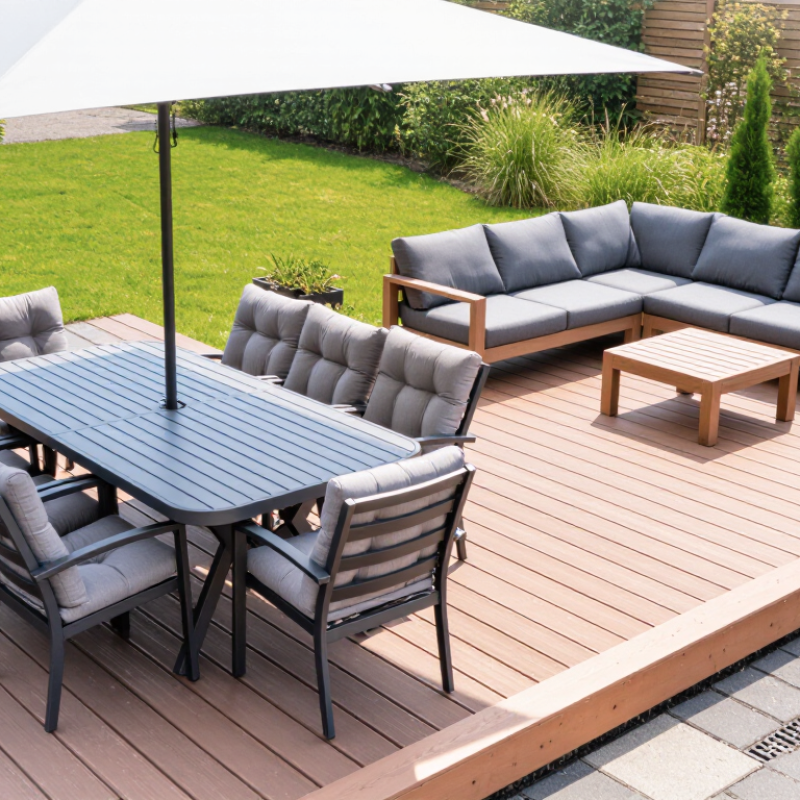
Define Your Patio Space, Layout, and Furniture Needs
How to Choose the Best Patio Deck Furniture?
Define your patio space before choosing furniture. Measure the usable floor area, door swings, steps, and walking paths. Leave at least 36 inches for comfortable movement. A smaller deck may need two chairs and a compact table, not a crowded sofa set. Mark each furniture footprint with painter’s tape. It reveals awkward gaps quickly.
Study sunlight, wind, drainage, and nearby views during different hours. A shaded corner may suit fabric seating, while strong afternoon sun needs durable, UV-resistant materials. The National Association of Home Builders’ 2024 What Home Buyers Really Want report found that 86% of buyers considered a patio desirable or essential. Your layout should support real habits, such as morning coffee, shared meals, or quiet reading.
The American Society of Landscape Architects’ 2023 Residential Landscape Architecture Trends Survey identified fire pits at 66.2% and outdoor kitchens at 63.7% among popular features. These figures suggest that patios increasingly serve several purposes. Still, statistics cannot measure your doorway or family routines. My first layout looked balanced on paper, but blocked a storage gate. I changed it. Comfort matters more than symmetry. Choose furniture needs after mapping activities, not before. Consider stackable pieces when guests arrive occasionally. Test the arrangement with temporary chairs for one weekend. You may discover that the perfect set is slightly too large.
Compare Outdoor Furniture Materials and Weather Resistance
How to Choose the Best Patio Deck Furniture?
Choosing patio furniture starts with your local weather, not its appearance. A sunny deck needs strong UV resistance, while a wet balcony needs fast drainage. Coastal homes also face salt air, which can corrode exposed metal.
Teak handles moisture well because its natural oils slow water absorption. However, it still needs cleaning, and its color gradually turns silver-gray. Powder-coated aluminum is lightweight, rust-resistant, and easy to move. Scratches can expose the metal beneath, though. Steel feels sturdier in strong winds, but untreated areas may rust after repeated rain. Resin furniture resists moisture and usually costs less, yet cheap resin can become brittle under intense sunlight.
Woven furniture requires closer inspection. Synthetic fibers usually resist rain better than natural fibers, but weak weaving may split after years outdoors. Look for rust-resistant fasteners, sealed joints, adjustable feet, and gaps that let water escape. Cushions should have quick-drying foam and removable, washable covers. Test the chair before buying it. A beautiful chair that traps water under its seat becomes a problem quickly.
I have found that maintenance often matters as much as material. Covering furniture helps, but trapped moisture under a cover can cause mildew. No material is perfect. The right choice depends on sunlight, rainfall, wind, storage space, and how honestly you will maintain it.
How to Choose the Best Patio Deck Furniture?
Weather-resistance comparison of common outdoor furniture materials. Higher scores indicate stronger performance in each category; ratings reflect typical material characteristics under outdoor exposure and may vary with construction, coatings, and maintenance.
Aluminum and HDPE resin offer strong all-weather performance with low maintenance. Teak performs well outdoors but benefits from regular cleaning and optional oiling. Powder-coated steel can be durable, although scratches and exposed edges may allow corrosion. Natural wicker generally requires more protection from prolonged moisture and direct sunlight.
Choose Comfortable Designs, Suitable Sizes, and Useful Features
How to Choose the Best Patio Deck Furniture?
Comfort comes before decoration. Choose cushions with firm support, breathable covers, and enough depth for relaxed sitting. Measure your tallest user before buying. A seat height near 17 to 19 inches usually supports easier sitting and standing. Leave at least 24 inches between chairs. That gap prevents awkward elbow collisions.
According to Grand View Research’s 2024 Outdoor Furniture Market Analysis, the global market reached about 45.2 billion dollars in 2023. Growth matters, but popularity does not guarantee comfort. Look for seating with documented durability testing, such as references to ANSI/BIFMA performance standards. Ask whether the frame resists rust and whether cushion covers can be removed. A beautiful chair can still fail after one wet season.
Useful features should match real habits. Select quick-dry cushions if rain is frequent. Choose stackable chairs for small decks, but test their weight first. The U.S. Environmental Protection Agency reports that shade trees can reduce residential cooling demand by 20% to 50%. A small table with an umbrella opening may improve comfort further. I often overestimate how much furniture a deck can hold. Mock up the layout with cardboard first. Real use exposes poor decisions quickly.
How to Choose the Best Patio Deck Furniture? - Choose Comfortable Designs, Suitable Sizes, and Useful Features
| Furniture Type | Recommended Size | Comfort Design | Suitable Materials | Useful Features | Recommended Use |
|---|---|---|---|---|---|
| Dining Table and Chairs | Allow approximately 24–30 in (61–76 cm) of table width per person; leave at least 36 in (91 cm) around the table for movement. | Seat height of about 17–19 in (43–48 cm), supportive backrests, and cushions made with quick-drying foam. | Powder-coated aluminum, treated hardwood, weather-resistant resin, or outdoor-grade steel with rust protection. | Stackable chairs, an umbrella opening, adjustable feet, and removable washable covers. | Outdoor meals, family gatherings, and extended dining. |
| Conversation Sofa Set | Plan about 25–35 sq ft (2.3–3.3 sq m) for a compact arrangement; maintain at least 18 in (46 cm) between seating and a coffee table. | Seat depth of 20–24 in (51–61 cm), thick back cushions, gently angled backs, and wide armrests. | Aluminum frames, synthetic wicker, treated wood, and solution-dyed outdoor fabric. | Modular sections, removable cushions, hidden storage, and washable or replaceable covers. | Conversation areas, relaxing, and entertaining guests. |
| Lounge Chair | Allow roughly 28–32 in (71–81 cm) in width and at least 36 in (91 cm) of clearance in front. | High back support, a seat depth of 20–24 in (51–61 cm), and an adjustable or slightly reclined back. | Powder-coated metal, weather-resistant wood, textilene, or durable outdoor resin. | Multiple reclining positions, wheels, a headrest, and quick-drying cushions. | Reading, sunbathing, and individual relaxation. |
| Bistro Set | A two-seat set generally fits within about 24–36 sq ft (2.2–3.3 sq m), depending on chair width and table shape. | Contoured seats, supportive backrests, and a table height of approximately 28–30 in (71–76 cm). | Powder-coated steel, aluminum, weather-resistant resin, or sealed hardwood. | Foldable chairs, compact storage, protective feet, and a tabletop with drainage. | Small balconies, narrow decks, coffee, and casual meals. |
| Outdoor Bar Set | Use a counter approximately 36 in (91 cm) high or a bar approximately 40–42 in (102–107 cm) high; provide 24 in (61 cm) of width per stool. | Stools with footrests, back support, and a seat height matched to the counter or bar. | Aluminum, treated wood, outdoor resin, or coated steel designed for moisture exposure. | Foot rails, built-in shelving, bottle storage, adjustable levelers, and weather covers. | Drinks, quick meals, and socializing. |
| Daybed or Outdoor Chaise | A single chaise is commonly about 25–32 in (64–81 cm) wide and 75–84 in (191–213 cm) long. | Ergonomic recline, full-length support, thick cushions, and breathable fabric. | Aluminum, treated hardwood, synthetic wicker, and mildew-resistant outdoor textiles. | Adjustable backrest, wheels, removable canopy, side table, and zippered cushion covers. | Napping, reading, and poolside relaxation. |
| Storage Bench | A practical bench is often 18–20 in (46–51 cm) high, 16–24 in (41–61 cm) deep, and sized to keep walkways at least 36 in (91 cm) wide. | Firm seat cushion, rounded edges, supportive back, and a comfortable seat depth of about 18–20 in (46–51 cm). | Weather-resistant resin, powder-coated metal, treated wood, or composite outdoor materials. | Ventilated storage, hydraulic lid support, drainage holes, lockable hardware, and removable cushions. | Entry seating, toy storage, cushion storage, and space-saving layouts. |
Selection Checklist: Measure the available area first, keep walkways clear, choose materials rated for outdoor exposure, verify weight capacity, and prioritize removable covers, drainage, UV resistance, and easy maintenance.
Match Furniture Styles, Colors, and Maintenance Requirements
How to Choose the Best Patio Deck Furniture?
Choosing patio furniture starts with your outdoor setting, not a catalog photo. Measure the deck, observe the sunlight, and notice how rain moves across the floor. A compact balcony may suit slim chairs and a folding table. A large deck can handle deeper seating, but crowded furniture quickly feels uncomfortable. Clean-lined aluminum works well with modern homes, while textured wood creates a warmer, natural appearance. Style should support the house instead of competing with it.
Color affects both mood and maintenance. Pale cushions make a shaded deck feel brighter, but they reveal pollen and spills quickly. Dark frames look refined, although they can become hot under strong sunlight. I usually recommend one main color, one supporting tone, and a small accent. Neutral furniture also allows seasonal cushions to change easily. Still, matching everything perfectly can make the space feel flat. A little contrast often looks more lived-in.
Tips: Check care labels before buying. Use removable, machine-washable covers where possible. Choose rust-resistant hardware for damp climates. Wood may need periodic sealing, while synthetic surfaces often require only mild soap and water. Test one chair before purchasing a full set. It may look attractive online but feel too low, firm, or narrow in person. Leave walking space around tables, and store cushions during severe weather. Maintenance is easy to underestimate.
Set a Budget and Evaluate Quality Before Buying
How to Choose the Best Patio Deck Furniture?
Set a realistic budget before measuring your patio. Grand View Research estimated the global outdoor furniture market at about USD 19 billion in 2022, with steady growth through 2030. That growth reflects demand, but it does not make every expensive set worthwhile. Divide your budget among seating, a table, shade, and maintenance. Leave 10–15% for cushions, covers, or replacement hardware. I once underestimated delivery and assembly costs. That small mistake changed the final price more than expected.
Quality needs a closer inspection than a glossy showroom finish. Check welded joints, screw materials, frame thickness, and drainage beneath cushions. The International Casual Furnishings Association reports that outdoor comfort and durability strongly influence purchasing decisions. Look for UV-resistant fabric and powder-coated or corrosion-resistant frames, especially near saltwater. A heavy chair can still fail if water stays trapped inside its joints. Ask for the warranty’s exact coverage, not just its length. Some warranties exclude fading, rust, or commercial-style use.
Related Posts
-
How to Choose the Perfect Patio Furniture for Your Outdoor Space
-
How to Choose Telescope Outdoor Furniture for Your Business?
-
Top 10 Outdoor Patio Set Manufacturers from China at the 137th Canton Fair
-

Achieving International Trade Certification for the Best High Quality Patio Furniture Industry
-
5 Secrets to Finding the Best Quality Outdoor Furniture for Your Home
-
Transform Your Backyard: The Benefits of Choosing American Outdoor Furniture for Sustainability and Style