Why Choose WPC Wall Cladding for Your Next Project?
In the world of construction and design, the choices we make significantly impact durability and aesthetics. WPC Wall Cladding is emerging as a popular choice among homeowners and builders alike. This innovative material blends wood and plastic, offering a unique solution for exterior and interior spaces. Its benefits range from increased longevity to reduced maintenance, making it an ideal selection.
Many projects face challenges with traditional materials. Wood can warp and rot, while plastic may lack the natural appeal. WPC Wall Cladding bridges this gap, combining the best traits of both. By understanding its properties, one can appreciate why it stands out in the market. While WPC is not without its downsides, its advantages often outweigh these concerns.
Selecting WPC Wall Cladding means investing in a versatile material that complements various architectural styles. Its design flexibility offers countless options, allowing creativity to flourish. As you consider your next project, exploring how WPC can transform your vision is essential. Remember, making informed decisions leads to better outcomes in your endeavors.
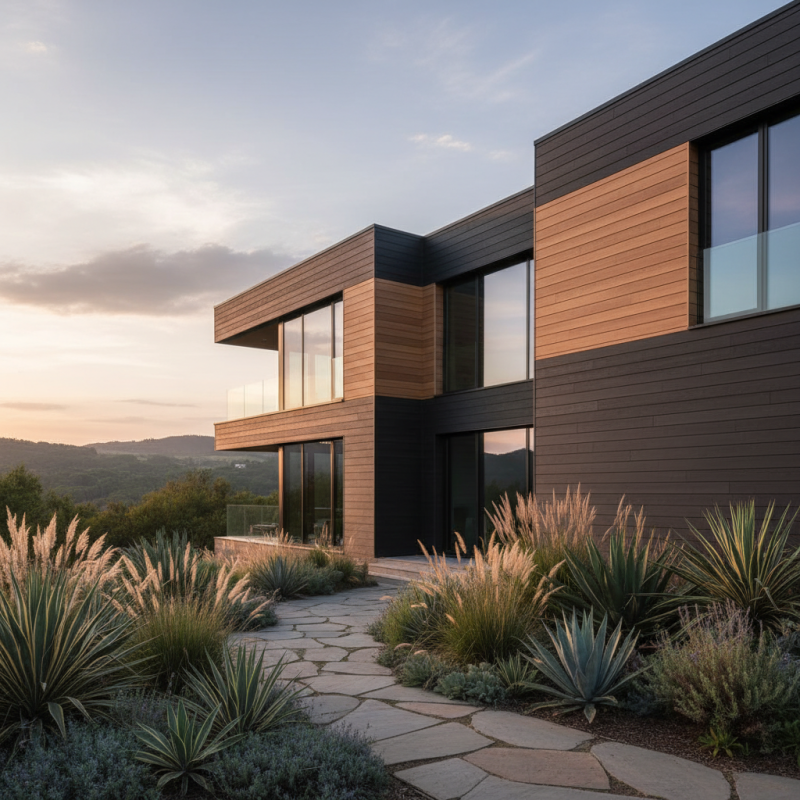
Benefits of WPC Wall Cladding for Modern Construction
WPC (Wood Plastic Composite) wall cladding has gained popularity in modern construction. This material blends the natural aesthetics of wood with the durability of plastic. The result is a product that is both visually appealing and long-lasting. Its resistance to weathering makes it ideal for outdoor environments. Contractors appreciate that it requires minimal maintenance compared to traditional materials.
One significant benefit of WPC wall cladding is its eco-friendliness. It often incorporates recycled materials, making it a sustainable choice for environmentally conscious builders. Additionally, WPC can provide excellent insulation, leading to energy savings in buildings. However, it is crucial to ensure proper installation to maximize these benefits. Otherwise, issues such as moisture retention might arise.
The versatility of WPC allows for various design options. From sleek, modern lines to textured finishes that mimic natural wood, the choices are ample. While many celebrate these innovations, not all WPC products are created equal. It’s essential to research materials thoroughly before making a choice. Understanding the specific project requirements can lead to better long-term satisfaction.
Durability and Weather Resistance of WPC Materials
WPC (Wood Plastic Composite) wall cladding has gained attention for its durability and weather resistance. A report by the American Society of Civil Engineers highlights that WPC materials can last up to 25 years, even in harsh outdoor conditions. This longevity makes WPC a solid choice for exterior applications.
WPC is resistant to moisture, which helps prevent rot and decay. Research shows that traditional wood can absorb moisture and warp over time. In contrast, WPC does not absorb water, reducing maintenance.
Moreover, WPC can endure extreme temperatures and UV exposure without fading or cracking. A study from the Journal of Materials in Civil Engineering concludes that WPC maintains its integrity in temperatures ranging from -40°F to over 140°F. While WPC offers numerous benefits, it may not be the best choice for every climate. Areas with high humidity could see mold growth. Evaluating specific project needs is crucial.
Why Choose WPC Wall Cladding for Your Next Project? - Durability and Weather Resistance of WPC Materials
| Feature | WPC Wall Cladding | Traditional Wood |
| Durability | High, lasts 20-30 years | Moderate, lasts 10-15 years |
| Weather Resistance | Excellent, waterproof and UV resistant | Poor, prone to warping and fading |
| Maintenance | Low, requires occasional cleaning | High, requires regular staining and sealing |
| Sustainability | Made from recycled materials | Contributes to deforestation |
| Cost | Moderate initial investment, cost-saving long-term | Lower upfront cost, higher long-term maintenance |
Aesthetic Versatility: Design Options with WPC Cladding
WPC wall cladding offers incredible aesthetic versatility for various projects. Designers often choose this material for its unique blend of wood fibers and plastic. This combination creates a look that can range from rustic to modern. Homeowners enjoy the vast color palette available, allowing for custom aesthetics that fit different tastes.
When selecting design options, consider textures and finishes. Smooth surfaces provide a contemporary feel, while embossed patterns evoke a natural wood appearance. Colors can be bold or subdued, helping to create the intended atmosphere in any space. The flexibility in design ensures compatibility with both indoor and outdoor applications.
Tips: Choose a color that complements existing elements in your project. For a cohesive look, align textures with adjacent surfaces. Don’t forget to explore different board sizes; they can drastically change the space's perception. Remember, balance your preferences with practicality to achieve the best outcomes. Testing small samples before the final decision can guide your selection process.
Why Choose WPC Wall Cladding for Your Next Project?
Environmental Impact: Sustainability of WPC Products
WPC wall cladding is gaining attention due to its sustainability. Wood-Plastic Composite (WPC) combines recycled wood fibers and plastic, reducing landfill waste. This eco-friendly material helps conserve natural resources. By choosing WPC, you contribute to a cleaner environment.
Tips: When selecting WPC, check its certification. Look for products that meet environmental standards. This ensures you choose a reliable option that supports sustainability.
Using WPC is not without challenges. It may require specific installation techniques. Improper handling can lead to issues over time. Be sure to follow guidelines closely for the best results. The balance between aesthetics and function can be tricky. Finding the right color and texture that fits your vision while considering durability is essential.
Tips: Consult with experts before your project begins. They can provide valuable insights tailored to your specific needs. This can save you time and resources while ensuring a successful outcome.
Cost-Effectiveness: Value Analysis of WPC vs. Traditional Materials
When it comes to wall cladding, cost is a significant factor. WPC, or Wood-Plastic Composite, offers a compelling value proposition. It combines the aesthetic appeal of wood with the durability of plastic. This material resists rot and insects, which can save money on long-term maintenance. Many traditional materials, like wood or stone, require regular upkeep. This can lead to higher costs over time.
Installation costs are another consideration. WPC is lightweight and easy to work with. This can reduce labor costs during installation. Its uniformity allows for quicker fitting, making it less time-consuming than heavy materials. Traditional materials may need more specialized tools and skills to install properly. This can raise expenses, especially for larger projects.
WPC also provides energy efficiency. It helps in regulating indoor temperatures, which can lower heating and cooling bills. However, it's essential to consider initial costs compared to longevity. WPC may have a higher upfront price, but its lifespan often offsets this. Reflect on your project's needs before making a decision. Each material has its trade-offs, and a thorough analysis can lead to a more informed choice.
