Top 10 Shower Sprayer Manufacturers for Global Buyers
Choosing among the Top 10 Shower Sprayer Manufacturers for Global Buyers requires more than comparing finishes. Buyers need to assess spray performance, material quality, spare-part access, warranty terms, and verified water-use data. A polished chrome faceplate may look identical across two catalogs; the internal valve, nozzle design, and replacement-parts support may not be.
Efficiency is measurable. The U.S. Environmental Protection Agency’s WaterSense program sets a maximum flow rate of 2.0 gallons per minute for labeled showerheads, compared with the federal standard of 2.5 gallons per minute. EPA guidance estimates that a WaterSense-labeled showerhead can save an average household about 2,700 gallons of water annually. Small parts. Real consequences. These benchmarks help buyers compare products without relying only on marketing claims. The U.S. Department of Energy’s appliance standards provide a further reference for checking flow-rate requirements.
The EPA’s WaterSense program states, “WaterSense labeled showerheads use no more than 2.0 gallons per minute.” This is a useful technical benchmark, though it cannot replace product testing or supplier due diligence. This guide examines manufacturers through a practical lens: documented specifications, manufacturing experience, certifications, export readiness, and after-sales support. Some details remain difficult to compare across brands, especially where public data is limited. That gap matters. Global buyers should request test reports, confirm compatible connections, and verify warranty coverage before placing an order.
Shower Sprayers: Product Types and Global Market Scope
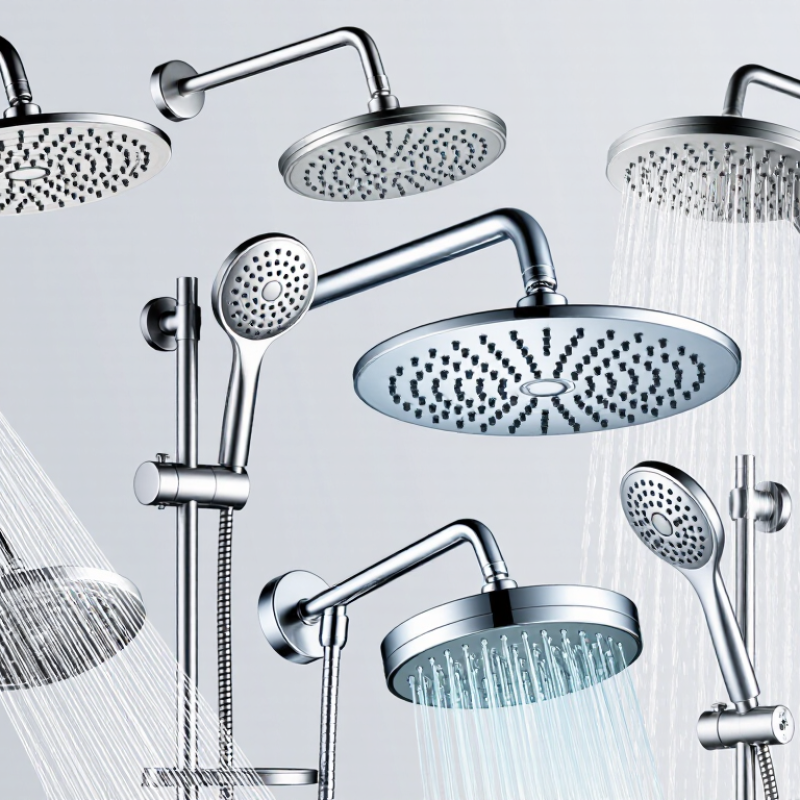
Shower sprayers cover several product types, each suited to different layouts and daily routines. Handheld models use a flexible hose, making it easier to rinse children, pets, or shower walls. Fixed overhead sprayers create a broad spray, while rain-style heads often use larger faceplates and softer-feeling streams. Some models combine both. Multi-function sprayers let users switch between spray patterns, such as a concentrated rinse and a wider flow. Small details matter. Hose length, handle grip, and the position of the diverter can affect comfort more than a product photo suggests.
For global buyers, selection involves more than appearance. Water pressure varies between buildings and regions, so a sprayer designed for strong flow may disappoint in a low-pressure home. Inlet connections and installation practices also differ, requiring buyers to verify compatibility before ordering. Materials, finish durability, and accessible replacement parts deserve close attention in humid bathrooms. A catalog can make these choices look simpler than they are. Flow-rate figures may not reflect performance in every plumbing system, and a “rain” pattern can feel weak if pressure is inadequate. Manufacturers serving international markets therefore need clear specifications, practical installation guidance, and consistent quality checks—not just a wide range of spray styles.
Criteria for Selecting Leading Shower Sprayer Manufacturers
Choosing a shower sprayer manufacturer starts with evidence, not polished product photos. Ask for clear details on the spray plate, internal seals, hose, and finish. For material composition, test methods, temperature range, and operating pressure, request written records. Check a sample for even spray, smooth controls, and leaks after repeated use. Small checks matter.
Verify production capacity through factory records, inspection plans, and realistic lead-time commitments. Ask whether each batch receives leak and flow checks, and how rejected units are tracked. A supplier’s responses to technical questions can reveal more than sales claims. Compare warranty terms, spare-part availability, packaging protection, and support after shipment. Confirm that product documents and labeling match the destination market’s requirements. Where relevant, request test reports and verify their date, scope, and tested model. A certificate alone cannot prove that every unit performs equally.
Catalogs can mislead. Discuss real installation problems, such as hard-water buildup, a scratched finish, or a hose damaged in transit. Notice whether the manufacturer offers practical remedies, clear timelines, and traceable batch information. Price matters, but an unusually low quote may mean thinner materials or limited inspection. No supplier is flawless; what matters is how openly it handles a defect and improves the next production run.
Top 10 Shower Sprayer Manufacturers for Global Buyers - Criteria for Selecting Leading Shower Sprayer Manufacturers
A practical evaluation framework for comparing suppliers. Verify each item against the destination market and the specific product.
| No. | Selection Criterion | What to Evaluate | Evidence to Request | Why It Matters |
|---|---|---|---|---|
| 1 | Product range and application fit | Handheld, fixed, slide-bar, and specialty sprayers; available finishes, hose options, and intended applications. | Current catalogue, technical drawings, and samples of the proposed models. | Confirms that the supplier can meet the project’s product and design requirements. |
| 2 | Regulatory and market compliance | Applicable plumbing, material, labeling, and water-use requirements in each destination market. | Valid test reports, certificates where required, and product-specific compliance documentation. | Requirements differ by country and product; documentation should match the exact model being purchased. |
| 3 | Materials and construction | Body and nozzle materials, hose construction, seals, corrosion resistance, and finish specifications. | Bill of materials, material declarations, finish specifications, and relevant durability test results. | Material choices influence durability, appearance, maintenance, and suitability for the intended water conditions. |
| 4 | Flow performance and pressure range | Rated flow, operating pressure range, and performance consistency under the conditions relevant to the market. | Model-specific flow and pressure test data, including test conditions and units. | Helps buyers assess user experience and confirm that the product suits the installation and local requirements. |
| 5 | Connection and installation compatibility | Inlet and hose thread specifications, mounting options, included fittings, and installation requirements. | Dimensioned drawings, connection details, installation instructions, and a sample kit if needed. | Reduces fitment issues, installation delays, and the need for extra adapters. |
| 6 | Spray functions and usability | Available spray patterns, mode switching, control accessibility, and ease of cleaning the spray face. | Working samples, product specifications, and user or performance test information where available. | A hands-on review can reveal usability differences that are not clear from product images alone. |
| 7 | Quality control and product consistency | Incoming-material checks, production inspections, leak testing, finish checks, and traceability procedures. | Quality procedures, inspection records, sample test reports, and corrective-action examples. | Documented controls help buyers evaluate consistency between samples and production orders. |
| 8 | Customization and OEM/ODM capability | Options for finish, packaging, logo application, specifications, and design development; confirm any tooling needs. | Written customization scope, sample process, tooling terms, and ownership or usage terms for custom designs. | Clarifies what can be customized and the responsibilities, costs, and approvals involved. |
| 9 | Order capacity and delivery planning | Minimum order quantities, sample and production lead times, packaging capability, and capacity for repeat orders. | Written quotations, production schedules, packaging specifications, and a shipment plan for the requested order. | Supports realistic inventory planning and helps identify schedule constraints before an order is placed. |
| 10 | Warranty, spare parts, and communication | Warranty terms, replacement-part availability, complaint handling, response process, and clarity of technical support. | Written warranty policy, spare-parts list, service contact process, and sample response to a technical inquiry. | Clear after-sales arrangements can reduce downtime and make product issues easier to resolve. |
Buyer note: Treat this as a comparison checklist, not a verified ranking. Confirm claims, certificates, commercial terms, and product performance directly with each prospective supplier.
Profiles of 10 Shower Sprayer Manufacturers
This buyer-focused overview compares ten anonymized shower sprayer manufacturers by production strengths, not brand claims. A brass-focused maker may suit buyers seeking solid metal bodies and familiar machining. A polymer specialist can offer lighter handheld units for high-volume orders. An OEM producer may adapt fittings and packaging, but buyers should verify tooling ownership. A pressure-control specialist deserves scrutiny for spray consistency across different supply pressures.
A nozzle-focused factory may use flexible silicone tips to simplify mineral-scale cleaning. A finish specialist can provide several surface treatments; request abrasion samples, not only photographs. A commercial supplier may prioritize durable hoses and replaceable parts for hotel maintenance. A compact export manufacturer may offer short lead times, though its testing capacity needs checking. A low-volume custom shop can support unusual shapes, but unit costs may rise. An integrated producer may control casting, assembly, and inspection under one roof. Useful profiles show these trade-offs clearly.
Performance claims need measurable context. The U.S. EPA WaterSense showerhead specification sets a maximum flow rate of 2.0 gallons per minute at 80 psi, compared with the federal 2.5-gpm limit. That benchmark helps buyers compare models, but it does not prove spray comfort. Ask for flow-test conditions, material declarations, and production inspection records. Small detail. Supplier documents can still leave gaps; independent sample testing is worth considering.
Comparing Products, Production Capabilities, and Certifications
Comparing shower sprayer manufacturers means looking beyond the product photo. Handheld sprayers, fixed heads, and multi-mode sets should be judged by spray consistency, nozzle cleaning, hose flexibility, and finish durability. Ask for samples and test them at realistic household pressure. Check whether spray patterns stay even after repeated switching. Small details matter. A stiff control button can frustrate users, even when the surface looks premium.
Production capability is more than a stated monthly output. Buyers should review factory audit records, tooling access, material traceability, inspection stages, and lead-time history. Ask how the supplier manages peak-season orders and replacement parts. A line producing several models may offer flexibility, but frequent changeovers can affect consistency. Request a pilot batch and compare dimensions, leakage checks, packaging, and finish across units. Numbers help, but the sample tells another story.
Certifications need careful verification. Check that documents are current, issued to the actual manufacturing site, and relevant to the destination market and product category. Requirements for water efficiency, materials, or quality management can differ by market. Confirm the test scope, not just a logo on a brochure. One certificate may cover only selected models. Record its number, covered models, issuing body, and renewal date in the supplier file.
How Global Buyers Can Evaluate and Source from Manufacturers
Global buyers should compare shower sprayer manufacturers on measurable capability, not polished catalogs. Request drawings, material specifications, and recent quality records. Check whether spray plates, seals, and hoses use the stated materials. Small details matter. A loose thread or uneven nozzle pattern can create complaints after installation.
Ask for samples from the same production line used for bulk orders. Test spray coverage, leakage, pressure consistency, and surface finish under your expected water conditions. Record results. Then confirm minimum order quantities, tooling charges, lead times, packaging, and spare-part availability in writing. Clear answers reveal more than a low quotation. Factory visits or independent inspections can help verify equipment and process controls, though a single visit cannot guarantee every shipment. No checklist catches everything.
Before placing an order, agree on inspection criteria and acceptable defect levels. Request photos of packed goods and retain an approved sample for comparison. Discuss how changes to materials or designs will be communicated. Response speed is useful, but technical answers matter more. A supplier may promise a short lead time and still struggle with consistent output. Leave room for a pilot order; it costs time, yet can expose problems that paperwork misses.
Top 10 Shower Sprayer Manufacturers: A Global Buyer Evaluation Framework
Suggested weights for comparing manufacturers. These are illustrative buyer priorities, not market statistics; adjust them to fit your project.
How to use it: Score each supplier against these criteria, then apply the suggested weights to compare quality systems, product compliance, production capability, customization, lead times, pricing, and after-sales support.