What is Street Furniture and Why is it Important?
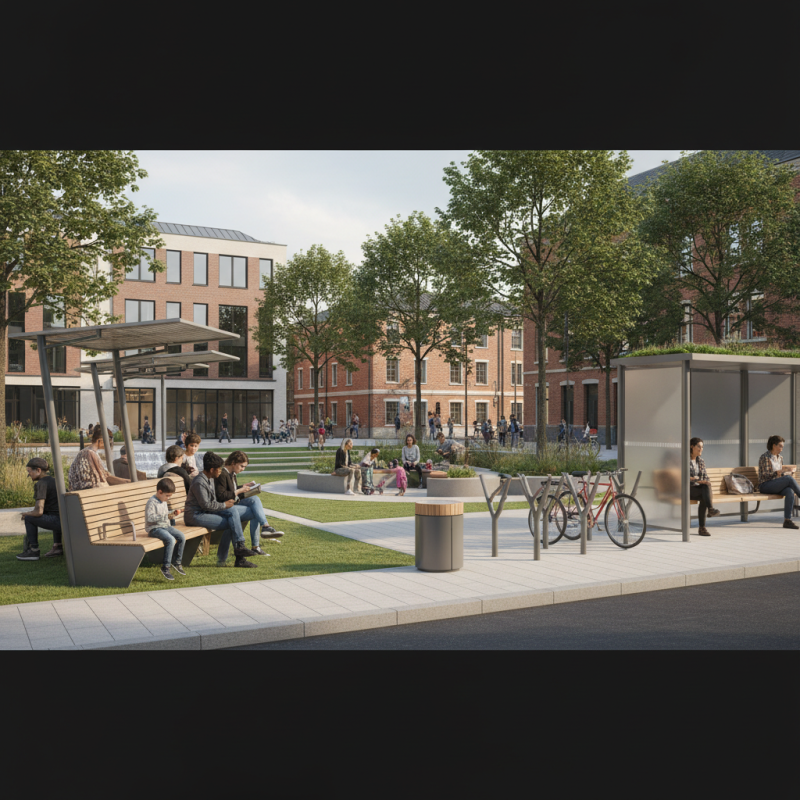
Street Furniture plays a crucial role in urban environments. It includes benches, bus stops, bike racks, and trash cans. These elements enhance public spaces and improve community life. According to urban design expert Jane Jacobs, “Good street furniture connects people to their environment.”
Well-designed Street Furniture encourages social interaction. It creates comfortable spaces for rest and gatherings. However, many cities still neglect its importance. Some benches are too hard or lack shelter from the sun and rain. This shortfall can discourage people from enjoying their surroundings.
Street Furniture can also reflect a city's identity. Unique designs tell stories and invite exploration. Yet, not all installations are thoughtful. Some designs may feel out of place or uninviting. Reflecting on these details is essential for future improvements.
Understanding Street Furniture: Definition and Components
Street furniture comprises various elements found in public spaces. Benches, trash bins, and lamps are common examples. These components enhance the functionality and aesthetics of urban environments. Each piece serves a purpose, providing comfort and convenience to passersby.
Yet, the design of street furniture often lacks public input. This can lead to features that don’t meet the community's needs. For instance, a bench may be too low for comfort, or a trash bin might not be easily accessible. Mobility for all is essential, but often overlooked in designs.
Consider lampposts; while they illuminate the streets, they can obstruct pedestrian pathways. Such oversights call for reflection on urban planning. Inclusivity should be a priority. Each piece of street furniture should foster a space that welcomes everyone. Only then can we truly appreciate its importance in our daily lives.
Importance of Street Furniture in Urban Environments
The Role of Street Furniture in Urban Planning and Design
Street furniture plays a crucial role in urban planning and design. It includes benches, trash cans, bus shelters, and bike racks. These elements contribute to public spaces' functionality and aesthetics. According to a 2022 study by the Urban Institute, well-designed street furniture can increase foot traffic by up to 30%. This is significant for local businesses.
The right street furniture encourages social interaction. Parks and plazas with benches often see more community gatherings. Thus, it fosters a sense of belonging. However, not all designs are user-friendly. Some benches are too narrow and uncomfortable. Creating spaces that cater to all demographics is vital.
**Tip:** Choose materials that withstand weather changes. Durable furniture reduces maintenance costs while enhancing user experience.
Effective street furniture can also improve safety. Well-lit areas with proper signage create a feeling of security. Yet, poor placement can lead to obstructions. This can discourage pedestrian movement and access. Regular audits of street furniture effectiveness can help cities adapt to changing needs. Listening to community feedback is essential.
What is Street Furniture and Why is it Important?
| Type of Street Furniture |
Function |
Importance in Urban Planning |
Examples |
| Benches |
Seating for public use |
Encourages social interaction and rest areas |
Urban parks, sidewalks |
| Trash Bins |
Waste disposal |
Promotes cleanliness and environmental awareness |
Street corners, parks |
| Bicycle Racks |
Bike storage |
Encourages sustainable transportation |
Near public transport stations, commercial areas |
| Lighting |
Illumination |
Enhances safety and aesthetics |
Streets, parks, pathways |
| Signage |
Information and navigation |
Improves wayfinding and accessibility |
Intersections, entry points |
Benefits of Street Furniture on Public Spaces and Community Life
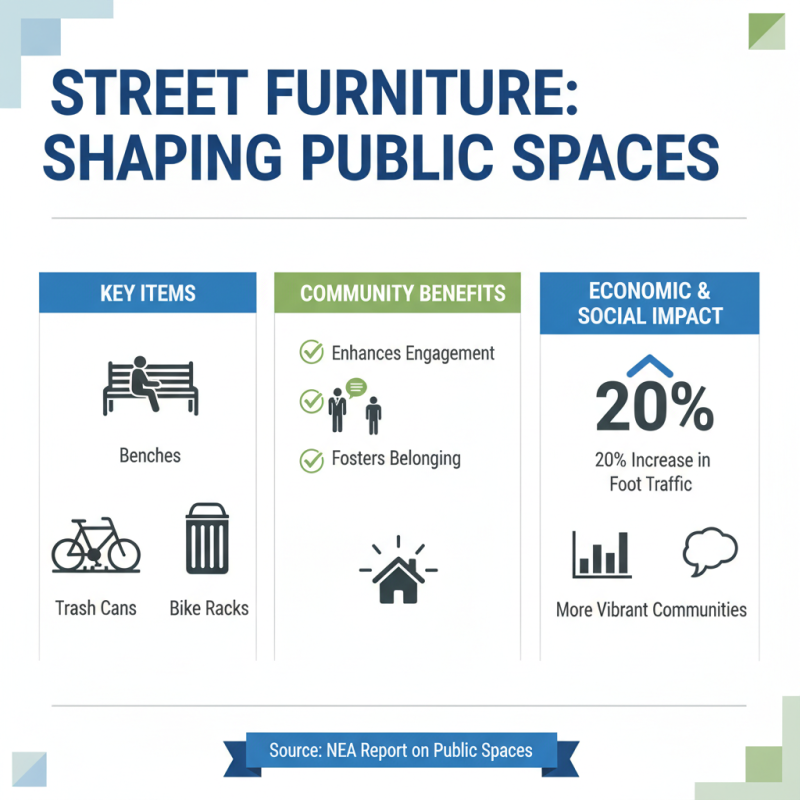
Street furniture plays a vital role in shaping public spaces. Items like benches, trash cans, and bike racks enhance community engagement. A report from the National Endowment for the Arts shows that well-designed public spaces can increase foot traffic by 20%. This growth benefits local businesses and fosters a sense of belonging among residents.
Integrating street furniture also encourages social interaction. People gather on benches, promoting conversations and community ties. A study by Project for Public Spaces found that places with ample seating saw a 50% rise in social activity. However, not all street furniture meets community needs. Some installations may be underused or poorly situated, leading to wasted resources. Reflecting on urban design choices is crucial for creating thriving communal spaces.
Moreover, street furniture influences urban aesthetics. Attractive designs draw people in and improve their overall experience. Yet, there are challenges. Maintenance of furniture can be neglected, resulting in deterioration. A 2018 report highlighted that 30% of street furniture in urban areas requires repair. Communities must prioritize upkeep to ensure these resources remain valuable.
Key Statistics: Impact of Street Furniture on Urban Mobility and Safety
Street furniture refers to various structures installed along streets and public spaces. These include
benches, bus stops, and trash bins. They play a significant role in how we
navigate urban environments. Studies show they can enhance urban mobility, making cities more user-friendly.
Key statistics reveal their impact. For instance, well-placed benches can increase foot traffic. People tend to walk more if
there are comfortable spots to rest. Moreover, proper signage improves navigation. The right information can reduce
confusion among pedestrians. Safety is another concern.
Effective street lighting and clear pathways can reduce accidents.
However, not all street furniture is effective. Poor placement can obstruct pathways, forcing people into unsafe areas.
Some designs may not accommodate everyone, risking exclusion, especially for those with disabilities. This highlights the
need for thoughtful planning. Urban areas often overlook the
importance of these elements. Reflecting on this can lead to better, safer cities.