What is Sliding Glass Windows and How to Choose Them?
Sliding Glass Windows are a popular choice for many homeowners. They offer an elegant solution that enhances natural light and creates a seamless indoor-outdoor experience. These windows are designed to slide open, making them ideal for small spaces. However, choosing the right sliding glass windows can be overwhelming.
When selecting sliding glass windows, factors like frame material, energy efficiency, and style are crucial. Quality materials can affect durability and maintenance needs. Energy-efficient glass can lower utility bills. Innovative designs can elevate the aesthetics of your home. You may also want to consider security features.
Mistakes can happen in this process. For instance, focusing only on cost may overlook quality. Ignoring proper measurements might lead to installation challenges. Understanding these elements can ensure a wise investment. Ultimately, the right sliding glass windows can enhance your home’s beauty and functionality.
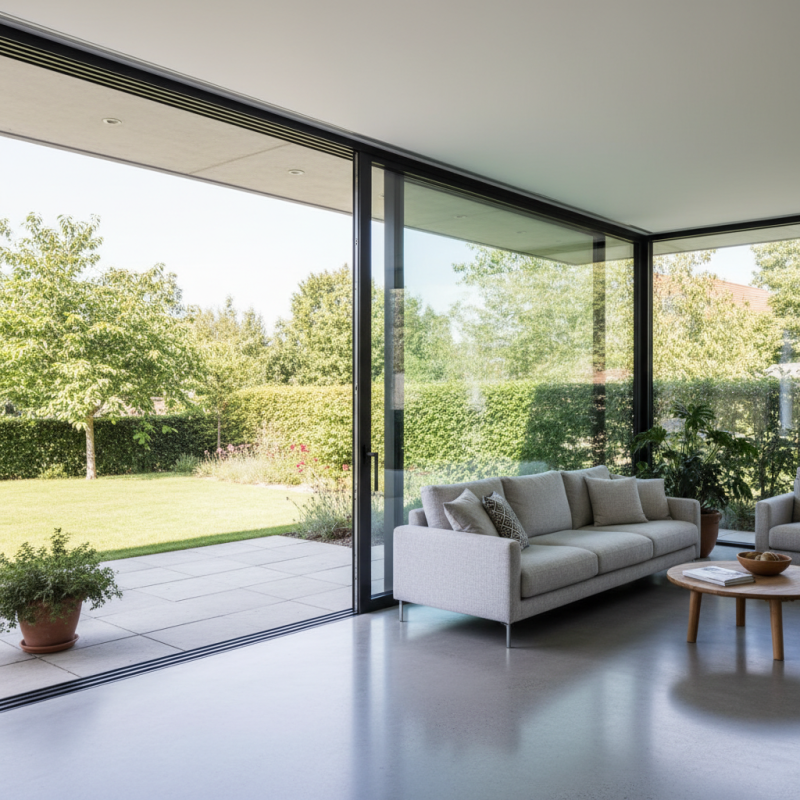
Understanding Sliding Glass Windows: Definition and Features
Sliding glass windows are popular in modern architecture. They consist of large glass panels that slide open, providing easy access and a seamless flow between indoor and outdoor spaces. These windows enhance natural light and offer expansive views of the surrounding landscape. Homeowners often prefer them for their aesthetic appeal and functionality.
When choosing sliding glass windows, it's essential to consider several features. Look for energy-efficient glazing options to reduce heating and cooling costs. The frame material also matters; aluminum and vinyl are common choices. Each has its pros and cons. Weighing these factors can be challenging. Ensure the windows meet local building codes for safety and durability.
Reflect on the installation process too. Incorrectly installed sliding windows can lead to drafts and leaks. Hiring experienced professionals is recommended for reliable results. Lastly, choose locks and securing mechanisms that ensure safety. Balancing beauty and security is crucial. Sliding glass windows can transform your space if chosen wisely.
Sliding Glass Windows: Features and Benefits Comparison
Types of Sliding Glass Windows: Materials and Styles Explained
Sliding glass windows are popular for their versatility and modern aesthetics. When selecting these windows, understanding the types of materials and styles is crucial. Common materials include vinyl, aluminum, and fiberglass. According to a recent industry report, vinyl windows account for approximately 70% of the market due to their energy efficiency and low maintenance requirements. Aluminum, while lightweight, may lack in insulation compared to its counterparts.
Regarding styles, there are two primary configurations: single and double sliding windows. Single sliding windows have one fixed pane, and the other moves laterally. Meanwhile, double sliding windows allow both panes to slide. Research shows that the choice between these styles can affect functionality and ventilation. Aesthetic preferences also play a role, as homeowners often seek designs that complement their architecture.
However, not all sliding glass windows are created equal. Some designs may have poor sealing, leading to energy loss. Homeowners should consider performance ratings, like U-factor and Solar Heat Gain Coefficient. These metrics provide insights into energy efficiency. Selecting the right sliding glass window requires careful consideration of both materials and styles to ensure long-term satisfaction and efficiency.
Benefits of Sliding Glass Windows for Home and Commercial Use
Sliding glass windows are a popular choice for both homes and commercial spaces. They offer numerous benefits, including improved natural light and unobstructed views. This design allows spaces to feel larger and more connected to the outdoors. When utilized in commercial settings, they can attract customers by creating a welcoming atmosphere.
One significant advantage of sliding glass windows is energy efficiency. They can enhance insulation and reduce energy costs when properly installed. However, improper sealing can lead to drafts and leaks. It is essential to work with professionals to ensure a flawless installation. Poorly fitted windows may need frequent repairs, which can be costly in the long run.
When choosing sliding glass windows, consider material options like vinyl or aluminum. Each provides different levels of durability and maintenance. Look for energy ratings that indicate performance. A higher rating typically ensures better insulation. Additionally, prioritize safety features, especially for commercial applications. Incorporate tempered or double-glazed glass for added security. Remember, balancing aesthetics with functionality can be challenging. Be prepared to reconsider your choices based on feedback and practical needs.
Key Factors to Consider When Choosing Sliding Glass Windows
When choosing sliding glass windows, several key factors deserve attention. First, consider the window material. Vinyl frames offer durability and low maintenance. Aluminum frames, while strong, can conduct heat and cold, impacting energy efficiency. Wood frames provide excellent insulation, but require more upkeep.
Energy efficiency is another critical aspect. According to the U.S. Department of Energy, windows account for 25%-30% of residential heating and cooling costs. Look for windows with double or triple glazing to improve insulation. Low-emissivity (Low-E) coatings can also enhance energy performance by reflecting heat.
Tips: Always check for certification labels from organizations like the National Fenestration Rating Council (NFRC). These labels provide reliable data on energy performance.
Don’t forget about the aesthetics. The style of the sliding glass windows should complement your home’s design. Choosing the wrong style can detract from the overall look. Lastly, consider installation. Poor installation can compromise performance, leading to air leaks and decreased efficiency. Always hire a qualified professional to ensure proper fitting and sealing.
Installation and Maintenance Tips for Sliding Glass Windows
Sliding glass windows enhance natural light in any space. However, proper installation and maintenance are crucial for their longevity. It’s important to ensure a level frame before installation. Uneven frames can lead to gaps, which may cause energy loss. Always use quality seals to keep the elements at bay.
Regular cleaning is vital for sliding glass windows. Use a mild detergent and soft cloth to avoid scratches. Pay attention to the tracks; they can accumulate dirt and debris. A simple vacuuming can prevent issues. Occasionally, lubricate the tracks with silicone spray to ensure smooth operation. Remember, wear and tear happens. If you notice difficulty in sliding, it may be time for adjustments.
Consider weatherstripping as well. This might seem trivial, but it greatly impacts energy efficiency. Replace worn weatherstripping to maintain a barrier against drafts. Reflection on these small steps can lead to significant savings and comfort in your home. Regular inspection of seals and tracks will prevent bigger problems down the line. Every detail counts in extending the life of your sliding glass windows.
