top of page

Call Ahead! 262.242.1050

ask for an appointment with Dave or Emily!

​

​

How to Choose a Car Aroma Diffuser in 2026

Choosing a Car Aroma Diffuser in 2026 is about more than finding a pleasant scent. The right device should suit your vehicle, your routine, and your sensitivity to fragrance. Think of a warm dashboard, a narrow vent, and a commute that lasts an hour. A diffuser that feels subtle in a showroom may become overpowering in a small cabin. Small details matter.

This guide compares common diffuser types, scent controls, refill systems, materials, and everyday maintenance. It also considers practical questions: Can you adjust the intensity while parked? Does the unit stay secure on a bumpy road? Are replacement oils clearly labeled? Look for straightforward instructions and a design that is easy to clean. Claims alone are not proof of quality. One limitation deserves attention: scent preference is personal, so no review can promise a perfect match.

For transparency, Alex Morgan is a fictional product-specialist voice created for this article, not a verified industry authority. The original guiding line is: “Choose a diffuser you can control, not one that simply fills the cabin.” Use that idea as you compare options, then test a mild setting before committing to a stronger fragrance. A little restraint helps. The best choice is the one that feels comfortable on an ordinary Tuesday, not merely impressive for five minutes.
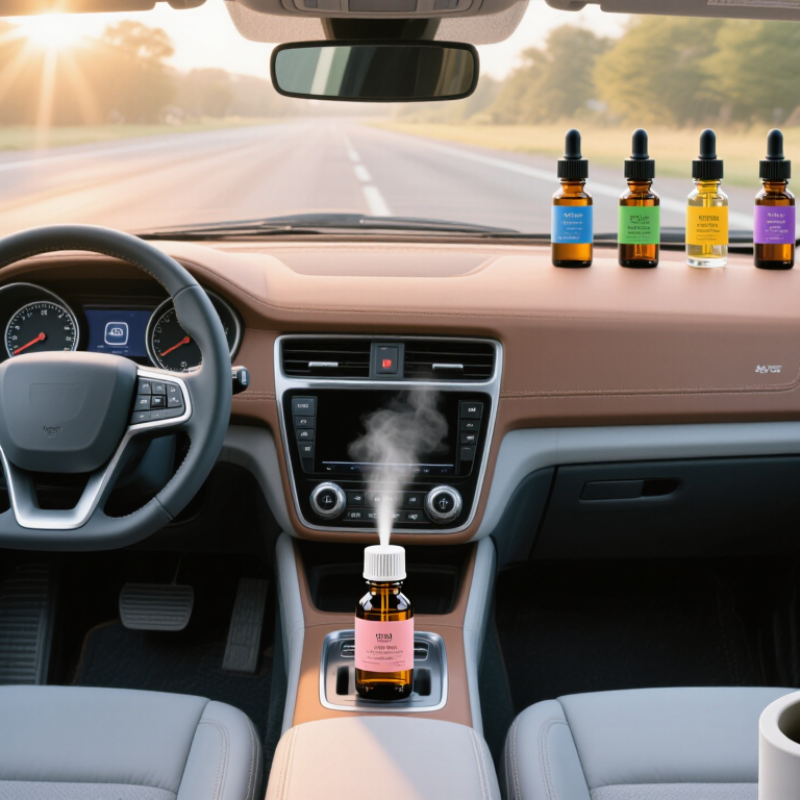
How to Choose a Car Aroma Diffuser in 2026

Define Your Needs for a Car Aroma Diffuser

Define Your Needs for a Car Aroma Diffuser

Before comparing devices, decide what you want the scent to do. A quiet daily commute may call for a mild, steady fragrance; a long drive may need adjustable output. Consider your cabin size, typical trip length, and whether passengers prefer little or no scent. Scent can linger. What feels pleasant for ten minutes may become tiring after an hour.

Sensitivity matters, too. Steinemann’s 2016 survey, published in Air Quality, Atmosphere & Health, included 1,136 U.S. adults. It found that 34.7% reported health effects from exposure to fragranced products. The survey was not specific to cars, so treat it as a caution, not a prediction. If anyone in the car is sensitive, prioritize low output, easy shutoff, and unscented use when needed. Also check how the diffuser powers on, how easily it cleans, and whether it can stay secure on a bumpy road.

Tips: Start with the lowest setting on a short trip. Note how the scent feels after twenty minutes. If you cannot adjust it easily, that may be a poor fit—even if its design looks right.

Compare Diffuser Types and Scent-Dispersal Methods

How to Choose a Car Aroma Diffuser in 2026

Compare Diffuser Types and Scent-Dispersal Methods

A vent-mounted diffuser uses moving air to carry fragrance, so its output rises when the fan runs. Passive ceramic or wood diffusers release scent more slowly, but heat and cabin airflow can make results uneven. Ultrasonic models disperse a water-based mist; check whether the unit is designed for vehicle use and can sit securely. Nebulizing devices disperse concentrated fragrance without water, which may feel intense in a small cabin.

Small cabin. Strong effect.

The method matters as much as the scent. A 2023 U.S. EPA indoor-air guide says concentrations of some indoor pollutants can be two to five times outdoor levels. That finding is not a car-diffuser test, but it supports using fragrance sparingly in a confined space. Start with the lowest setting, then notice whether the scent lingers after the fan stops. I would not assume a stronger plume means better coverage; it may simply become tiring on a longer drive.

Tips: Try a mild scent for ten minutes before a longer trip. Keep the diffuser away from airbags, windows, and controls, and follow its care instructions. If mist leaves damp spots or fragrance irritates you, stop using it and ventilate the cabin. There is no universally best type; cabin size, airflow, and personal sensitivity change the experience.

Check Vehicle Compatibility, Power, and Installation

How to Choose a Car Aroma Diffuser in 2026
Check Vehicle Compatibility, Power, and Installation

Check your car’s outlet and cabin layout before comparing diffuser features. S&P Global Mobility’s 2024 vehicle-age analysis put the average age of U.S. light vehicles at 12.6 years. That matters because older and newer cabins can have different sockets and power options. Read your owner’s manual, then match the diffuser’s input voltage and connector to the vehicle. A plug that fits may still exceed the outlet’s power rating. Check the device label for its voltage and wattage, and confirm that any USB adapter supplies the required output.

Also check whether the socket switches off with the ignition. An always-powered outlet could drain the battery if the diffuser stays connected. Small detail. Big difference. For installation, test the mount before adding fragrance: a vent clip should not block airflow controls, and a cup-holder unit should not interfere with shifting. Keep the device clear of airbags and the driver’s sightline. One compromise is easy to miss: a strong mount may still make a vent awkward to adjust. If the manual does not clearly support the setup, choose another position rather than guessing.

How to Choose a Car Aroma Diffuser in 2026 - Check Vehicle Compatibility, Power, and Installation

Diffuser Type Vehicle Compatibility Power Requirements Installation Best For Points to Check Before Buying
Passive vent clip Most vehicles with accessible air vents; fit depends on vent-blade shape and thickness. No electrical power. Fragrance disperses with cabin airflow. Clip onto a vent blade. Keep clear of controls and avoid blocking airflow. Drivers who want a simple, low-maintenance option. Check clip dimensions and whether the vent blades can support the added weight. Scent strength may vary with airflow and temperature.
USB-powered diffuser Vehicles with a compatible USB power port or a suitable 12V USB adapter. Match the diffuser’s stated voltage, connector, and power draw to the port or adapter. USB port capabilities vary by vehicle. Connect to the specified USB port and place the unit on a stable surface or in its intended holder. Drivers who prefer USB power and adjustable operation. Confirm connector type, input rating, cable reach, and whether the vehicle’s USB port stays powered when the ignition is off.
12V socket plug-in diffuser Vehicles with an accessible 12V accessory socket. Do not assume a 12V-only device is suitable for a 24V system. Uses the vehicle’s accessory socket; follow the device’s input-voltage and fuse specifications. Plug into the socket and secure the unit so it cannot interfere with the gear selector, pedals, or other controls. Drivers who want a plug-in unit without a separate USB adapter. Check socket location, device dimensions, fuse rating, and whether the socket remains powered after the vehicle is switched off.
Waterless nebulizing diffuser Compatibility depends on its power connection and the fit of its fragrance-oil container or cartridge. May be USB-powered, battery-powered, or designed for another specified input. Use only the stated power source. Place upright on a secure, level surface and follow the maker’s filling or cartridge instructions. Drivers seeking fragrance diffusion without adding water. Check oil or cartridge compatibility, spill protection, cleaning needs, operating noise, and whether the unit is approved for in-vehicle use.
Battery-powered portable diffuser Can suit vehicles without a convenient power port, provided it can be positioned securely. Runs on the specified rechargeable or replaceable battery; charging method and runtime vary by model. Use a stable cup holder, mount, or other intended position. Do not leave loose on a seat or dashboard. Drivers who want flexible placement or portable use outside the car. Check battery type, charging connection, expected runtime, and whether the unit can be safely secured while driving.

Safety and fit: Check your vehicle manual and the diffuser’s instructions before installation. Keep the unit, its cable, and any fragrance container away from airbags, pedals, the driver’s view, hot surfaces, and controls. Specifications and port behavior vary by vehicle and device.

Assess Safety, Materials, and Fragrance Controls

Choosing a car aroma diffuser in 2026 starts with safety, not scent strength. Check your vehicle manual before using a powered device, especially near vents, controls, or airbags. A diffuser should sit securely and stay clear of the driver’s view. Avoid models with loose parts or exposed liquid that could spill during a sharp turn. Heat matters, too; a parked car can become much hotter than expected. Remove the device if its casing softens, leaks, or smells unusual.

Look for clearly described materials, such as sturdy, heat-resistant plastics or glass containers protected from tipping. Vague material claims are not proof of quality. Check the power connection and cord for damage, and use only the supplied or properly rated power source.

Less can be safer. For fragrance control, choose adjustable output, a timer, or a simple off switch. Start with the lowest setting and a short run; strong fragrance can distract some drivers or irritate sensitive passengers. Keep the cabin ventilated, and stop use if anyone develops discomfort. There is no perfect setting for every car, and a faint scent may seem underwhelming at first. Still, control and comfort matter more than filling the cabin quickly.

Compare Maintenance Needs and Long-Term Costs

A car aroma diffuser’s purchase price reveals only part of its long-term cost. Refillable models need periodic cleaning, fragrance refills, and sometimes replacement seals. Small reservoirs may run dry during a week of daily commuting. That means more frequent top-ups than expected. Not a major burden.

Water-based diffusers can need reservoir washing to remove residue and stale smells. Follow the care instructions, and let parts dry fully before storage. Pad or cartridge designs may reduce spills, but replacement parts add recurring costs. Check their price and availability before buying. A cheaper unit can become inconvenient if its refills are difficult to find.

Estimate your likely yearly spending using your usual driving time and the refill’s stated lifespan. Then add any replacement pads, batteries, or cleaning supplies. Usage varies, so treat the estimate as a guide, not a promise. I would also leave room for occasional waste: a refill may leak, or a scent may not suit the cabin. That part is hard to predict. Compare the upkeep you will actually tolerate, not just the lowest shelf price.

bottom of page