7 Tips for Choosing the Best Square Cooler Bag?
A Square Cooler Bag may look simple online. Its shape affects how lunch containers, bottles, and ice packs fit inside. A neat square footprint can sit steadily on a picnic table, but measurements matter more than photos. Compare interior dimensions with the items you actually carry, including tall drink bottles and reusable containers. A bag that seems roomy may leave little space once food and cooling packs are added.
Good cooler performance depends on more than thick-looking walls. Insulation, zipper closure, lining, and seam construction all influence how well the bag retains cold and handles spills. No soft cooler keeps food cold indefinitely, so follow its care guidance and use enough ice packs for your outing. The seven tips below focus on details shoppers can check: capacity, insulation, leak resistance, materials, closures, comfort, and cleaning.
Small checks help. Look for reinforced handles, smooth interior surfaces, and a base that does not sag under a realistic load. Fit matters. Consider whether the bag folds for storage or needs to hold its shape in a crowded trunk. If you plan to carry it far, padded straps may matter more than extra pockets. Extra features can add bulk. Even a well-made bag has trade-offs, and product descriptions do not answer every question. Check dimensions, care instructions, and customer feedback for repeated concerns rather than relying on a single glowing review. The right choice is the one that matches your meals, travel routine, and cleaning habits—not the most impressive listing.
Identify How and Where You Will Use the Square Cooler Bag
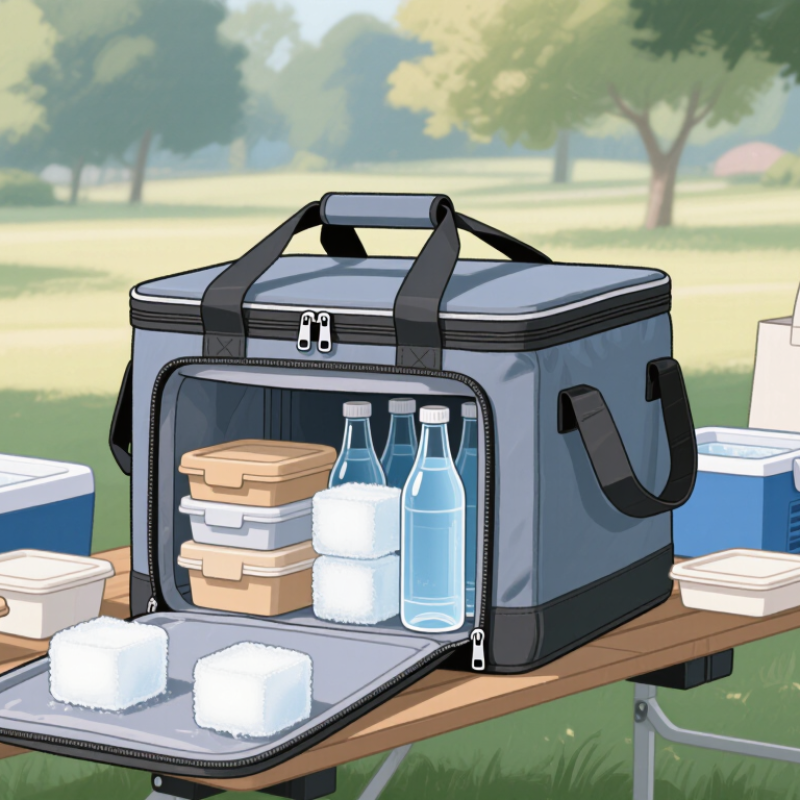
Think about what the bag will carry and how long it must stay cool. A few lunch containers need less space than drinks and snacks for a family picnic. Measure your usual containers, including their height, before choosing capacity. A square shape can sit neatly beside a car seat or picnic basket, but it may feel bulky in a crowded train or narrow walkway. That matters.
Where you use it changes the practical details. For a short walk to a nearby park, comfortable handles and a light, easy-to-clean lining may matter most. For a long drive, check whether the bag fits securely in your trunk and stays upright during turns. I learned this late: a bag that looks roomy online can waste space when its corners do not fit your vehicle. Measure first.
For outdoor meals, consider how you will load ice, food, and drinks together. A wide opening makes packing easier, while a firm base helps prevent containers from tipping. If you carry it over grass or damp ground, look for a wipe-clean exterior and check whether the base resists moisture; water-resistant does not always mean waterproof. For repeated, all-day outings, insulation and a reliable closure deserve closer attention. Test the zipper with a full load if possible. Small details count. Think, too, about where the empty bag will live between trips. A rigid square cooler may hold its shape well, but it can take more storage space than expected.
Choose a Capacity That Fits Your Food, Drinks, and Ice
Choose a square cooler bag by estimating the space your entire load needs, not just the food. List the containers, bottles, and snacks you plan to pack, then include the ice. A 24-quart capacity can look generous on paper, but bulky lunch boxes and tall drink bottles may waste space. Measure your largest container and compare it with the bag’s usable interior dimensions. Allow some room to arrange items without crushing soft fruit or sandwiches. The estimate is imperfect.
For a day trip, picture the actual load: two water bottles, several sealed meals, fruit, and enough ice to keep everything cold. USDA Food Safety and Inspection Service guidance recommends keeping perishable food at 40°F or below and limiting unrefrigerated time to two hours, or one hour above 90°F. That makes usable space for ice a safety consideration, not a bonus. Check whether the listed capacity includes the whole interior, and remember that insulation and a full load can reduce practical room. If you regularly carry drinks and meals together, size for both rather than choosing a bag that fits food alone. A snug square shape can stack containers neatly, though awkward bottle shapes may still leave gaps.
Compare Insulation Performance and Leak Resistance
Tip: Compare insulation using a simple, repeatable test. Put identical chilled bottles in each bag, close the zippers, and record temperatures at opening and after two, four, and six hours. Keep the room and starting conditions consistent. USDA Food Safety and Inspection Service guidance recommends keeping perishable food at 40°F (4°C) or below, so check whether the bag helps maintain that target. This is a home comparison, not a certified laboratory result.
Tip: Inspect leak resistance at the seams, zipper ends, and lining corners. Add a cup of water, seal the empty bag, then gently tilt it over a sink. Look for damp stitching or seepage near the zipper. A waterproof lining can help contain spills, but it does not guarantee a leakproof bag. Small differences matter.
Tip: Compare insulation thickness, lid coverage, and zipper overlap alongside test results. A narrow gap near the lid can become a weak point. For a fairer check, repeat the temperature test on another day; room temperature and how often the bag is opened can change results. A little uncertainty remains. Real use is messier.
Examine Materials, Seams, Zippers, and Overall Durability
A square cooler bag should feel dependable before it is packed. Check the outer fabric for a tight, even weave and wipe it with a damp cloth. A reinforced base helps when the bag rests on rough picnic tables or car floors. Inside, look for a waterproof liner with neatly finished corners. Thin coatings can crack after repeated folding, so inspect the material rather than relying on appearance alone.
Run your fingers along the seams. Straight stitching, few loose threads, and extra reinforcement at the handles are useful signs. Give the handles a gentle tug; they should not pull the fabric out of shape. Check the zipper several times, including around the corners. It should move smoothly without catching on the liner. A wide zipper flap can reduce splashes, but it cannot make a bag fully leakproof. Small distinction, but important.
Durability also depends on how the bag is used. A cooler carried by one person on short trips may not need the same reinforcement as one packed heavily for a full day outdoors. Look for sturdy zipper pulls and seams that stay flat when the bag is filled. If possible, inspect a sample in person. Online photos can hide stiff corners or flimsy stitching. I once overlooked a weak handle because the fabric looked thick. That was a poor test. Examine the stress points, and remember that extra insulation can add weight before anything is packed.
7 Tips for Choosing the Best Square Cooler Bag? — Examine Materials, Seams, Zippers, and Overall Durability
| Tip | What to Examine | What to Look For | Why It Matters | Quick Check |
|---|---|---|---|---|
| 1 | Outer material | A tightly woven fabric with a stated denier rating, reinforced panels, and a water-resistant coating or finish. | Fabric construction affects resistance to everyday scuffs, snags, and light moisture. A coating does not necessarily make a bag waterproof. | Check the product label or specifications, then inspect high-wear areas such as corners and the bottom. |
| 2 | Insulation and lining | Evenly distributed foam or other insulation, plus a smooth, leak-resistant lining with no visible gaps or peeling. | Insulation slows heat transfer, while an intact lining helps contain spills and makes the interior easier to wipe clean. Cooling performance also depends on ice packs, load, and outside temperature. | Press gently across the panels to feel for thin spots; check whether the care instructions explain how to clean the lining. |
| 3 | Seams and stress points | Straight, consistent stitching and extra reinforcement where handles, straps, and panels meet. | These areas experience repeated pulling and lifting. Secure stitching helps reduce the chance of seams opening during normal use. | Look for loose threads, skipped stitches, uneven seams, or small openings at corners and attachment points. |
| 4 | Zipper and closure | A zipper that runs smoothly around the lid, with well-finished ends and a flap or cover if the design includes one. | A reliable closure helps keep the lid shut and limits warm air exchange. A zipper alone does not guarantee a leakproof or airtight seal. | Open and close it several times; check for snagging, separated teeth, or fabric caught in the track. |
| 5 | Handles and shoulder strap | Comfortable grips, secure attachment points, and adjustable straps with sturdy hardware where applicable. | A loaded cooler can be heavy, so comfortable, well-attached carry points make transport easier and reduce strain on the bag. | Inspect the stitching at each attachment point and test the handles with a modest load before regular use. |
| 6 | Shape, capacity, and base | A square or rectangular footprint that fits your storage space, a stable base, and enough room for the intended containers and ice packs. | A suitable shape can make packing and storage more efficient. A reinforced or structured base helps the bag sit more steadily when loaded. | Compare the listed interior dimensions with your largest container; check whether the bag stands upright when empty. |
| 7 | Care instructions and warranty | Clear cleaning and drying instructions, accessible repair or replacement information, and warranty terms stated in writing. | Proper drying helps prevent lingering odors and moisture buildup. Written coverage clarifies what the maker does and does not cover. | Confirm whether the bag is spot-clean only or washable, and read the warranty exclusions before purchasing. |
Evaluate Portability, Ease of Cleaning, Features, and Price
7 Tips for Choosing the Best Square Cooler Bag?
Portability starts with the bag fully loaded, not empty on a store shelf. Check its weight, handle width, and strap length. Test it loaded. A square shape can stack neatly in a car, but bulky corners may bump your legs on a crowded walk. Measure the space where you plan to store it, too. A bag that barely fits at home can become awkward when packed with food and ice.
Ease of cleaning depends on more than a wipeable liner. Look closely at seams, corners, and zipper edges, where crumbs and moisture can collect. Check the corners. A wide opening makes it easier to reach inside, while a removable insert can help with messy spills. Still, removable parts are only useful if they dry quickly and fit back without a struggle. That detail is easy to overlook.
Extra pockets, bottle holders, and adjustable dividers are helpful when they match your routine. Otherwise, they add bulk without solving much. Compare the price with the features you will actually use, such as insulation, sturdy stitching, and a comfortable strap. I would not pay more for a long list of extras alone. Even a well-made bag needs care, and a low price may mean thinner fabric or weaker handles. Check how it feels when packed; that test can change your mind.