Why Choose Glass Cups for Your Beverage Needs?
The choice of beverage containers impacts our daily experiences significantly. Glass Cups have emerged as a preferred option for many consumers, blending functionality with aesthetic appeal. According to a recent report by Allied Market Research, the global glassware market is projected to reach $26.9 billion by 2025, fueled by the growing demand for sustainable and eco-friendly solutions.
Glass cups are favored not only for their stylish designs but also for their health benefits. Unlike plastic, glass does not leach harmful chemicals into beverages, ensuring a safer drinking experience. The International Journal of Environmental Research and Public Health indicates that glass's inert nature preserves the purity of drinks, allowing for an untainted flavor profile. However, it’s essential to acknowledge certain drawbacks. Glass can be fragile and may require careful handling, which is something users should consider.
Furthermore, the impact of glass cups on environmental sustainability cannot be overlooked. Reusable glass products contribute to a reduction in plastic waste. The World Economic Forum also highlights that single-use plastics are projected to outnumber fish in oceans by 2050. Therefore, opting for glass cups presents both aesthetic enjoyment and an opportunity for responsible choices.
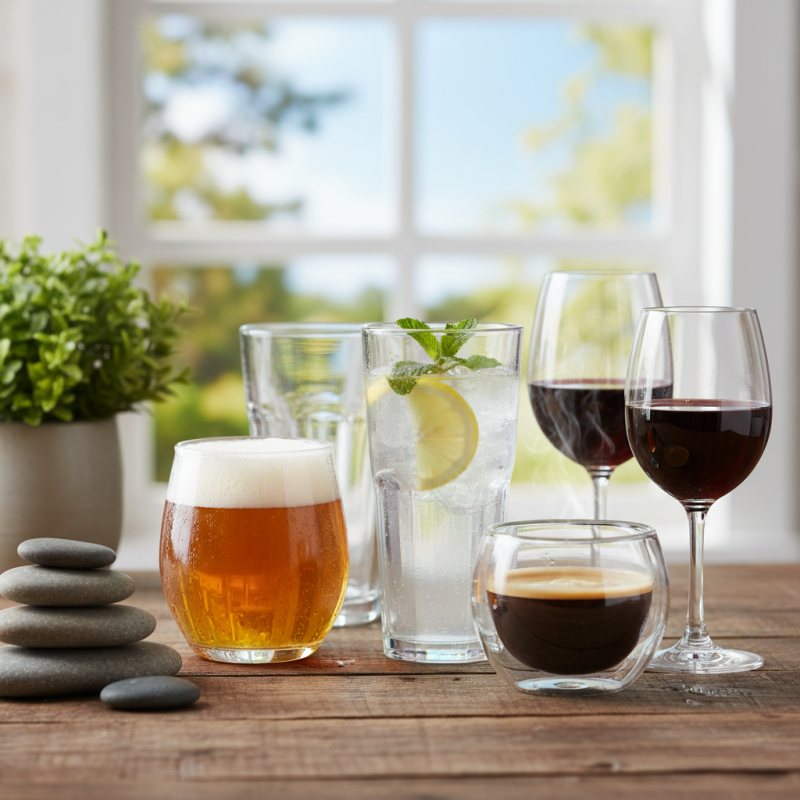
Benefits of Glass Cups Compared to Other Materials
When considering beverage containers, glass cups stand out for several reasons. Unlike plastic or metal, glass does not alter the taste of your drink. It provides a pure, untainted drinking experience. The aesthetic appeal is undeniable, too. Glass cups often add a touch of elegance to any setting, whether it's an outdoor picnic or a formal dinner.
Safety is another crucial aspect. Glass is non-toxic and doesn't leach harmful chemicals into your beverages, unlike some plastics under heat. Cleaning is easy; they withstand high temperatures and are generally dishwasher safe. However, they can break. This fragility poses a risk, especially in busy households. People must handle them with care.
Additionally, glass cups are environmentally friendly. They are recyclable and have a lower environmental impact than disposable plastic. Yet, not all glass is created equal. Some types may not suit every beverage, such as carbonated drinks. It’s vital to choose the right glass type for your needs. While glass has numerous benefits, it’s essential to weigh its pros and cons thoughtfully.
Why Choose Glass Cups for Your Beverage Needs? - Benefits of Glass Cups Compared to Other Materials
| Feature | Glass Cups | Plastic Cups | Ceramic Cups | Metal Cups |
| Durability | Moderate | Low | High | Very High |
| Aesthetic Appeal | High | Moderate | High | Moderate |
| Heat Resistance | Good | Poor | Very Good | High |
| Environmental Impact | Low | High | Moderate | Low |
| Taste Preservation | Excellent | Fair | Excellent | Good |
Impact of Glass Cups on Beverage Flavor and Temperature
Glass cups provide a unique experience for beverage enthusiasts. The material has a special way of enhancing flavors. For instance, the natural properties of glass do not leach chemicals. This preserves the pure taste of drinks, whether it's coffee, tea, or juice. Many people have noticed that their beverages taste richer and more vibrant when served in glass.
Temperature control is another crucial factor. Glass has insulating properties that help maintain your drink's temperature longer. A hot beverage stays warm, while cold drinks remain chilled. This quality is especially beneficial when you want to savor your drink without frequent refills. However, glass can be fragile. It's essential to handle these cups with care, as accidents happen.
People often overlook how visuals impact their drinking experience. The clarity of glass allows for an engaging view of colors and textures. This aspect often adds to the enjoyment of the beverage. Yet, glass cups can be heavy and cumbersome at times. Balancing aesthetics with practicality can be challenging. We should appreciate both the beauty and the utility they provide.
Design and Aesthetic Appeal of Glass Beverageware
Glass cups are not just functional; they offer a unique design and aesthetic appeal that enhances any beverage experience. The clarity of glass allows you to appreciate the color and texture of drinks. Whether it's a deep red wine or a vibrant green smoothie, glass cups showcase the beauty of each beverage. This transparency adds a visual element that plastic and metal cannot replicate.
The weight and feel of glass also contribute to its appeal. A well-crafted glass cup feels substantial in hand, providing an air of sophistication. The cool touch of glass complements chilled beverages, creating a refreshing sensation.
However, one must handle glass carefully. Dropping it can lead to breakage, and that can spoil the moment. Choosing the right design is important too; intricate patterns or sleek lines can elevate the drinking experience, but personal preference varies greatly.
Many people overlook the importance of aesthetics in beverageware. A simple glass cup can make an ordinary drink feel special. However, matching glassware to the occasion requires thought. Consider the setting—an outdoor picnic may call for sturdier options. Balancing beauty and practicality is essential in enjoying your beverage fully.
Environmental Considerations of Using Glass Cups
Glass cups have gained popularity due to their environmental benefits. Unlike plastic, glass is highly recyclable. According to a report from the Glass Packaging Institute, over 80% of glass containers are recycled. This significantly reduces landfill waste. Each recycled glass bottle saves enough energy to power a 100-watt light bulb for four hours.
Using glass also minimizes harmful chemical leaching. Studies by the Environmental Protection Agency highlight concerns over BPA in plastics. Glass, on the other hand, is non-toxic and free from harmful chemicals. This makes glass cups safer for both drinks and the environment.
However, challenges exist. Not all glass is easily recyclable in every region. Some areas lack adequate recycling facilities. There’s also the impact of glass production, which involves significant energy consumption. Evaluating local resources and recycling capabilities is essential before making a switch to glass.
Environmental Impact of Beverage Container Choices
This chart illustrates the environmental impact of different beverage container types on a scale from 1 to 10, where a lower score indicates a smaller environmental footprint. Glass cups have the lowest impact, while plastic cups rank the highest, showcasing the benefits of choosing glass for sustainability.
Care and Maintenance Tips for Longevity of Glass Cups
When selecting glass cups, proper care is essential for durability. To ensure a long life, consider your washing techniques. Hand washing is preferred for delicate glassware. Use a mild detergent and soft sponge to avoid scratching. Rinse well to eliminate soap residue.
Storage matters too. Place glass cups upright to prevent dust accumulation. Avoid stacking them tightly, as this can lead to cracks or chips. For additional protection, consider using shelf liners.
Keep an eye on temperature changes. Extreme heat or cold can cause glass to break. It’s wise to let glasses adjust to room temperature before filling them with hot or cold beverages. If you notice any cracks, it’s time to replace the glass. Regular inspection can prevent accidents.
Lastly, even the best care won’t prevent everything. Over time, wear and tear are inevitable. Reflect on your usage habits to minimize risks. Enjoy your beverages while being mindful of your glass cup’s condition.
