top of page

Call Ahead! 262.242.1050

ask for an appointment with Dave or Emily!

​

​

How to Choose Clad Wood Windows for Your Home?

Choosing the right windows for your home can feel overwhelming. Clad Wood Windows stand out due to their blend of beauty and durability. Their outer layer protects against weather while the wood interior adds warmth. Understanding your choices is key to making a wise decision.

Many homeowners appreciate clad wood windows for their aesthetic appeal. They come in various styles and colors, allowing for personalization. However, the selection process requires careful consideration. Factors like climate and maintenance are crucial. A well-informed choice can enhance your home’s value.

Reflecting on your needs is essential. Consider energy efficiency and installation costs. Clad wood windows can be an investment, but they often pay off long-term. Compromising on quality may lead to regrets later. Take your time and explore options before finalizing your decision.
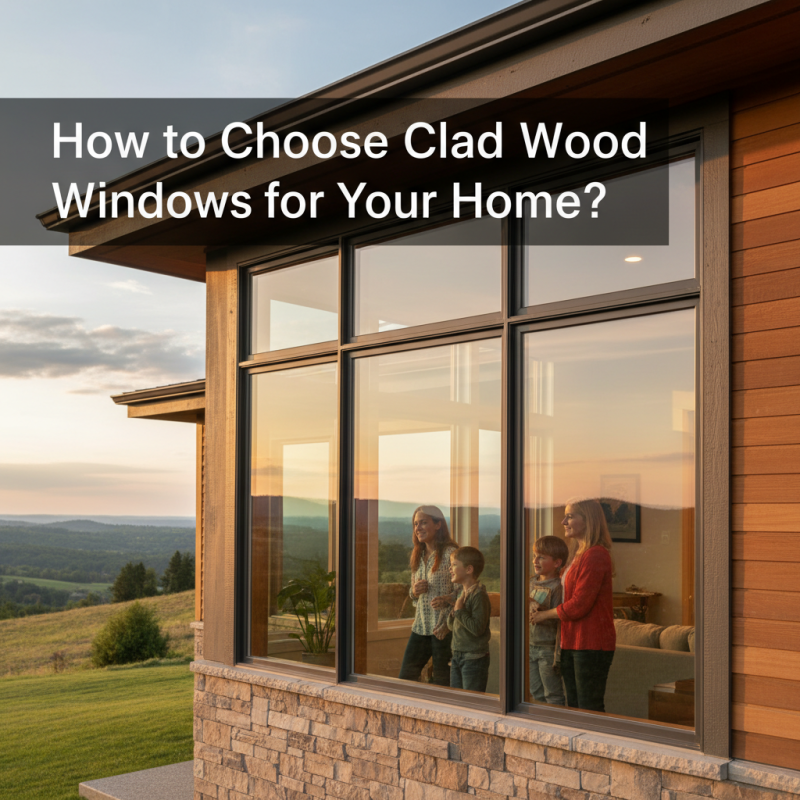
How to Choose Clad Wood Windows for Your Home?

Factors to Consider When Choosing Clad Wood Windows

Choosing clad wood windows for your home involves careful consideration of several key factors. The first is climate. Different wood species react uniquely to moisture and temperature. For instance, some hardwoods resist warping better in humid conditions. Researching suitable options ensures longevity and performance.

Next, you should assess the aesthetics. Clad wood windows come in various finishes. The exterior has different colors and materials. This adaptability can enhance your home's curb appeal. Think about how the exterior will blend with your architecture. Do not skip this step; it's vital for maintaining harmony in design.

Don’t forget about the energy efficiency. Windows play a significant role in insulation. Look for options with high energy ratings. They can prevent heat loss during winter and keep your home cooler in summer. Balancing energy efficiency and aesthetics may take time. But the long-term savings and comfort are often worth the effort. Be open to exploring options and adjustments as needed.

Understanding Different Types of Clad Wood Windows Available

When selecting clad wood windows, understanding the types available is crucial. There are two primary categories: aluminum-clad and vinyl-clad windows. Aluminum-clad windows feature a durable exterior, providing excellent resistance to weather elements. According to a report from the American Architectural Manufacturers Association, these windows can last over 30 years when maintained properly. On the other hand, vinyl-clad windows are lighter and often more affordable. They require less maintenance but may not have the same lifespan as their aluminum counterparts.

Tip: Choose windows that match your climate. For areas with extreme weather, aluminum-cladding offers better protection. For milder regions, vinyl may suffice.

Clad wood windows come in various styles, including double-hung and casement. Each style can influence energy efficiency and aesthetic appeal. A study by the Department of Energy indicates that well-insulated windows can reduce energy costs by 12% to 25%. However, not every clad wood option provides the same efficiency. Researching energy ratings is essential to make an informed decision.

Tip: Always consider the manufacturer’s warranty. A strong warranty often reflects quality and durability. It’s important to take time evaluating different options. Choosing the wrong window can lead to higher long-term costs and inadequate performance.

Assessing Climate Conditions for Optimal Window Performance

When choosing clad wood windows, understanding your home’s climate is crucial. Different materials respond uniquely to varying weather conditions. For instance, in humid areas, opting for a window with a robust exterior layer is vital. This layer protects against moisture and prevents wood rot. Conversely, in dry climates, consider materials that can withstand intense sun exposure without warping.

Temperature fluctuations can also impact window performance. Windows exposed to extreme cold may require better insulation. If not, heat loss becomes a real concern. In contrast, areas with high temperatures might benefit from low-emissivity (low-e) coatings. Such coatings help reduce heat buildup inside your home. Reflecting on your local climate helps you select windows that optimize energy efficiency.

Evaluate your windows regularly. Check for signs of wear, like condensation or heat drafts. Some issues may slip through unnoticed. It’s essential to prioritize professional assessment when in doubt. The right choices can lead to comfort and savings in the long run. Balancing aesthetic preferences with climate adaptability can be challenging, but thoughtful decisions will pay off.

Evaluating Aesthetics and Architectural Style Compatibility

When selecting clad wood windows, consider how they fit with your home's architectural style. Windows are not just functional; they enhance visual appeal. Clad wood offers a blend of traditional charm and modern durability. This pairing can elevate the aesthetic of various architectural designs.

It's essential to match window designs with your home’s style. For example, classic homes benefit from divided light patterns. Contemporary homes may look best with large, unobstructed glass areas. A mismatch in style can detract from your home's character and overall beauty. Pay attention to details such as the color and finish of the wood. These choices have a profound impact on the final appearance.

Also, think about the neighborhood context. Your windows should complement, not clash with, surrounding homes. Sometimes an attractive design may not have the right fit. Assess how different materials and shapes interact with your architecture. This reflective process ensures your ultimate choice resonates with both personal taste and architectural integrity.

Budget Considerations and Long-term Value of Clad Wood Windows

When considering clad wood windows, budget plays a critical role. While the initial cost may seem high, understanding the long-term value is essential. A recent study by the National Association of Home Builders indicates that clad wood windows can increase a home's resale value by up to 70% of the original investment. This data highlights their appeal not just for aesthetics, but also for financial return.

The durability of clad wood windows is another factor to weigh. They are designed to withstand weather conditions better than traditional wood. According to the American Architectural Manufacturers Association, properly maintained clad windows can last upwards of 30 years, often requiring lower maintenance costs over time. However, potential buyers should consider installation costs, which can vary significantly based on project scope and labor availability.

Some homeowners might regret overlooking the energy efficiency of these windows. Clad wood options often feature insulation that reduces energy bills. The U.S. Department of Energy reports that windows account for about 25% of residential heating and cooling costs. Yet, the more energy-efficient features you choose, the higher the upfront costs can be. This is where thoughtful consideration of your budget aligns with the desire for long-term savings.

Clad Wood Windows: Budget Considerations vs. Long-term Value

bottom of page