How to Choose the Best Restroom Stall Walls for Privacy?
In today's public facilities, privacy is a top concern for restroom users. The materials used for Restroom Stall Walls play a crucial role in providing an adequate level of seclusion. According to a recent industry report, about 70% of patrons prioritize privacy when using restrooms. This statistic highlights the need for thoughtful selection in restroom stall designs.
Restroom stall walls come in various materials, from plastic laminate to metal. Each option has its own strengths and weaknesses. While some materials provide better durability, others may offer a more visually appealing aesthetic. The choice ultimately affects user satisfaction. It's also essential to consider maintenance; various materials require different upkeep levels, influencing long-term costs.
Moreover, many people still feel that public restrooms lack sufficient privacy. Users often express discomfort during their visits. Maintaining a balance between privacy and practicality is challenging. Ultimately, the decision about restroom stall walls impacts not just the individual experience, but the overall perception of facility cleanliness and user comfort.
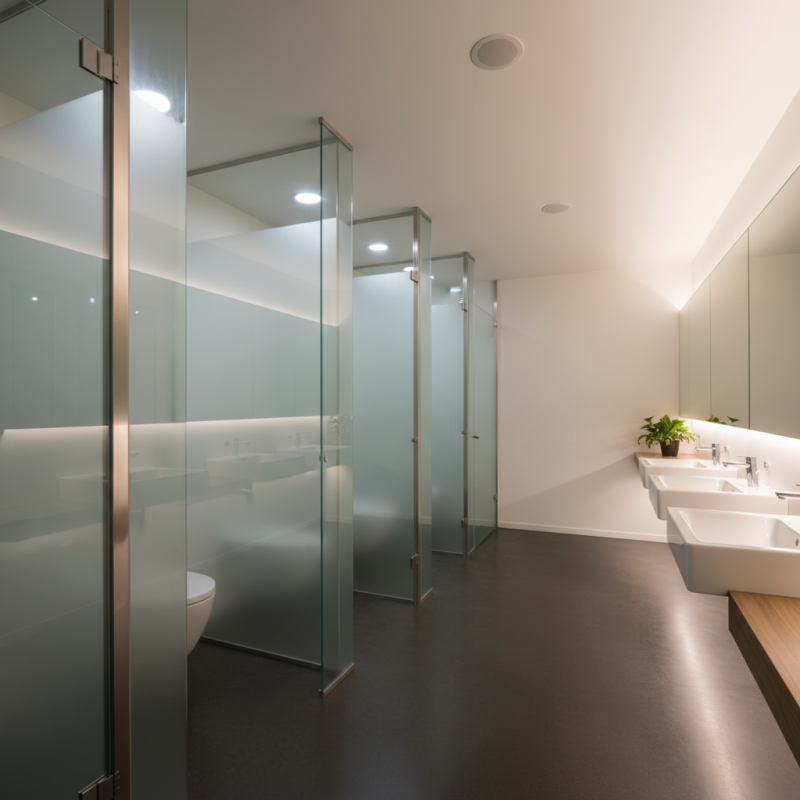
Factors to Consider for Restroom Stall Wall Materials
Choosing the right materials for restroom stall walls is essential for privacy. Privacy is a concern in busy places like malls and offices. The right material can provide a comfortable experience. When considering materials, sound absorption should be taken into account. Some materials reflect sound, making the restroom noisy. Look for solutions that reduce echoes and increase comfort.
Durability is another factor. Restrooms see heavy use and wear. Some materials resist scratches and stains better than others. A scratch on the wall can diminish the whole restroom's appearance. It can make the area look neglected. Additionally, the wall's height and design also influence privacy levels. Lower walls may leave users feeling exposed.
Finally, consider maintenance needs. Some materials require more upkeep than others. Higher maintenance means more costs over time. It's important to balance aesthetics with practicality. Just because a design looks good doesn’t mean it's the best option. Finding the right blend of comfort, durability, and ease of maintenance is crucial for restroom stall walls.
Comparing Different Privacy Enhancements for Stall Walls
When considering restroom stall walls, privacy is a paramount concern. Studies indicate that up to 70% of users prioritize privacy features in public restrooms. The choice of materials significantly affects this experience. For instance, solid plastic partitions provide a more enclosed feel. They have a higher density and sound insulation properties compared to metal. Users often report feeling safer in stalls with thicker walls.
Another aspect to compare is the height of stall walls. Research shows that walls extending to the ceiling improve privacy by reducing sightlines. They create a barrier that diminishes visibility from both the front and sides. However, some designs prioritize ventilation over privacy. This can lead to discomfort for users seeking solitude. It's essential to strike a balance between airflow and a sense of security.
Adjustable privacy enhancements like sliding doors or opaque glass are becoming popular, but they come with mixed reviews. Some users appreciate the modern look and feel. Others find them lacking in the traditional privacy that solid walls offer. While innovative, these options occasionally provoke feelings of exposure. Privacy remains a subjective experience, requiring careful consideration in design choices.
How to Choose the Best Restroom Stall Walls for Privacy?
This chart compares various restroom stall wall materials based on their privacy score, durability, and cost-effectiveness. The higher the score, the better the material is in terms of privacy and overall value.
Evaluating Soundproofing Options for Restroom Stall Walls
Choosing restroom stall walls is crucial for privacy, but soundproofing is often overlooked. Poor sound insulation can compromise user comfort. It is vital to evaluate various materials for their noise-reducing capabilities.
Solid plastic and metal are common choices. They may not offer the best soundproofing. Instead, consider walls with foam or insulation layers. These materials can significantly absorb sound. The installation method plays a role too. Gaps and poor sealing can lead to noise leaks.
Some designs prioritize aesthetics over acoustics. This can be a mistake. A beautiful space is less appealing if users feel exposed. Additional features, like rubber seals, can enhance privacy. Evaluate these options carefully to ensure a serene restroom experience.
Design Aesthetics and Their Impact on Privacy in Restrooms
When considering restroom stall walls, aesthetics play a crucial role in maintaining privacy. The colors, textures, and materials used can greatly impact a user's comfort. Darker tones may create a sense of enclosure, while lighter options offer a more open feeling. However, balance is key. Too dark might feel oppressive, while too light may sacrifice privacy.
Tips: Choose finishes that hide fingerprints and smudges. This can enhance cleanliness, indirectly boosting user confidence. Also, patterns can help distort visibility. Consider options with geometric designs or textures, which can play a role in improving seclusion.
Visual distraction can also contribute to a feeling of privacy. Wall panels with natural imagery might provide comfort but can be misinterpreted. It's essential to examine how designs affect the human psyche. What feels private for one might not for another. Personal and cultural factors come into play.
Remember to evaluate acoustic privacy as well. Noise can break the illusion of seclusion. Thicker walls may help absorb sound but can be bulkier. Sometimes, it’s a compromise between aesthetics and true privacy. Several solutions can exist, but the best choice often requires deeper thought on context and user experience.
Maintenance and Durability of Restroom Stall Wall Solutions
When selecting restroom stall walls, maintenance and durability are crucial. According to a report by the International Restroom Association, nearly 30% of facility managers cite ongoing maintenance as a top issue. Restroom stall walls are exposed to moisture, cleaning chemicals, and high foot traffic. These factors can quickly lead to wear and tear.
Materials like stainless steel are highly durable but can be expensive. Laminate surfaces are cheaper but may require more frequent replacements. A study from the Facility Maintenance Association found that laminate stalls could need replacing every 5 to 7 years, while stainless can last over 15 years with proper care. The trade-off between cost and longevity is essential for decision-making.
Regular inspections are vital to catch damages early. An overlooked crack can worsen rapidly, leading to more extensive repairs. Signs of rust or wear often indicate more profound issues. Maintenance schedules should be as frequent as weekly. While aesthetics matter, no design can outweigh the need for long-lasting solutions that minimize total cost of ownership. Choosing the right materials will impact both user experience and long-term maintenance efforts.
How to Choose the Best Restroom Stall Walls for Privacy?
| Material | Privacy Level | Durability | Maintenance | Cost Range (per unit) |
|---|---|---|---|---|
| High-Pressure Laminate | High | Excellent | Low | $300 - $500 |
| Wood | Medium | Good | Medium | $400 - $700 |
| Stainless Steel | High | Excellent | Very Low | $600 - $900 |
| Plastic (Polypropylene) | Medium | Good | Low | $200 - $400 |
| Fiberglass | High | Excellent | Medium | $500 - $800 |