How to Choose the Best Office Furniture Store
Choosing an Office Furniture Store is about more than finding a desk that looks good in a showroom. The right store helps you match furniture to real work: long video calls, shared projects, focused tasks, and tight floor plans. Niels Diffrient, a pioneering office-chair designer, is often credited with saying, “The best posture is the next posture.” That idea is a useful starting point. A chair should support movement, not simply look impressive beside a polished desk.
Look for a retailer that asks how your team works before recommending products. Check whether its staff can explain chair adjustments, desk dimensions, materials, and warranty terms in plain language. If possible, sit in the chair and test the controls; a few minutes can reveal an awkward seat edge or stiff lever. Ask about delivery, assembly, returns, and replacement parts, too. These details matter when furniture arrives on a busy Monday. For a remote purchase, request clear measurements and fabric samples.
A strong store makes trade-offs visible rather than promising one perfect solution. Compare durability, comfort, service, and total cost, not just the sale price. Read recent customer feedback, but treat glowing reviews as clues, not proof. I would still want to see the furniture in person. This guide explains how to assess a retailer, compare its products, and choose with fewer surprises.
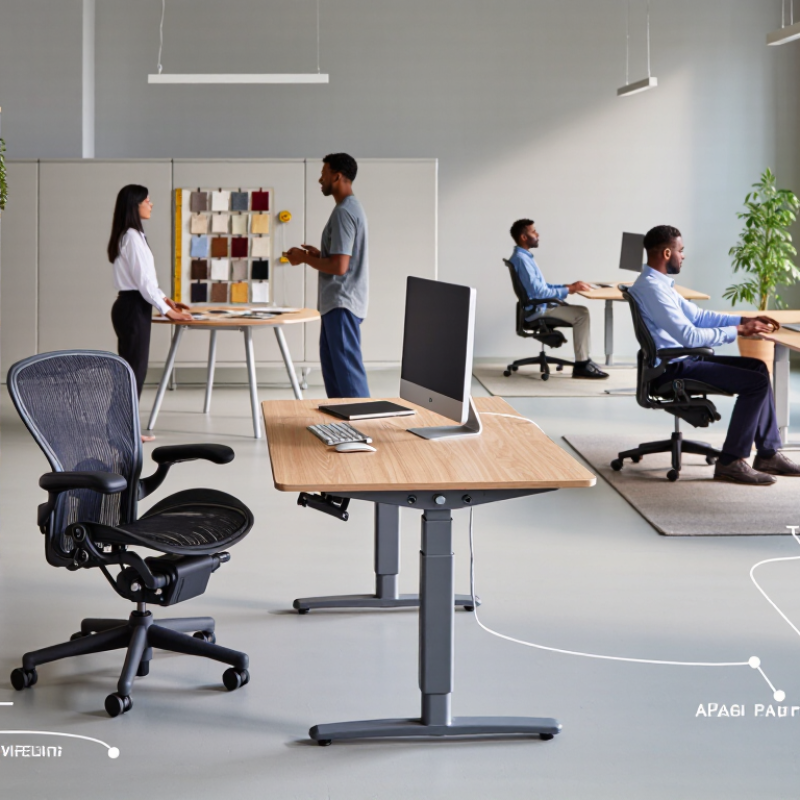
Define Your Office Furniture Needs and Space Requirements
Before comparing office furniture stores, define what your team needs to do each day. List the tasks, equipment, and people each workstation must support. A staff member using two monitors needs a deeper desk than someone working mainly with paper. Note storage needs too: filing drawers, supply shelves, or a secure place for personal items. Be specific. “More storage” is hard to act on; “space for six binders” is clearer.
Measure the room, including doorways, windows, radiators, and power outlets. Sketch the layout and mark fixed obstacles before considering desk sizes. Leave enough clear space for chairs to pull back and for people to pass without turning sideways. Check delivery access as well. A desk may fit on paper but fail to clear a narrow stairwell. Measure twice. I have seen a quick floor sketch miss a door swing; it is an easy mistake to make.
Think about how the room may change over the next year. A small team might need flexible desks, while a private office may benefit from a larger work surface and nearby storage. Set a realistic budget per person, but include accessories such as monitor stands and task lighting. Your first layout will probably need revision. That is useful information, not failure: compare it with daily routines, then adjust the dimensions and priorities before choosing a store.
Set a Budget and Identify Essential Selection Criteria
Set a firm spending limit before comparing office furniture stores. Include delivery, assembly, taxes, and a small allowance for replacement parts. A low shelf price can grow quickly once these costs appear. Measure the room, doorways, and walking paths with a tape measure. Keep those figures on your phone. They make vague product descriptions easier to judge.
Separate essential features from attractive extras. For a desk chair, check adjustable seat height, lumbar support, and whether your feet rest flat. Sit in it for several minutes. For desks, look for a stable frame, enough work surface, and edges that feel comfortable against your arms. Check drawer movement and inspect seams or joints. Small details matter. Ask store staff about materials, weight limits, delivery timing, and warranty coverage; get important answers in writing. I still find it easy to overvalue a sleek finish and overlook awkward storage. Compare two or three options against the same criteria, not just their photographs. Some priorities may change after you test the furniture, and that is worth allowing for.
Compare Store Inventory, Quality, and Customization Options
A useful office furniture store should offer enough variety to compare practical choices, not just display a few polished setups. Check whether its inventory includes adjustable chairs, desks in different sizes, storage, and accessories. Compare materials and dimensions across similar products. A desk that looks roomy online may leave little space for a monitor and paperwork. Look closely. Ask whether listed items are in stock, available to order, or only showroom samples.
Quality is easier to judge when you inspect details. Test chair adjustments, open drawers, and check whether desk edges feel smooth and sturdy. Ask about frame materials, weight limits, assembly, warranties, and replacement parts. Clear answers matter. Customization can help when a room has awkward corners or specific work needs. Compare the extra cost and delivery time for custom finishes, sizes, or cable openings. More options are not always better; too many choices can slow a purchase, and custom work may not solve a poor layout. Measure the room before deciding.
Tips: Bring room measurements and a short list of daily tasks. Photograph the doorway and power outlets, too. Ask staff to explain one standard option and one customized option, then compare both in writing. A small oversight, such as forgetting chair clearance, can make an otherwise sensible purchase frustrating.
Evaluate Delivery, Assembly, and Customer Support Services
Delivery is part of the purchase, not a minor extra. Ask whether the quoted fee includes room-of-choice placement or only curbside drop-off. A desk left beside the loading dock can mean extra labor, missed appointments, and a frustrating afternoon. Check the delivery window, tracking options, and policies for stairs, elevators, narrow doorways, and building access. Details matter. Measure the route, not just the office.
Assembly terms deserve equal attention. Confirm which items arrive ready to use and which require on-site assembly. Ask whether installers bring tools, remove packaging, and level desks or shelving. For shared offices, clarify whether crews can work outside business hours. The small print is easy to skim; I would not assume “assembly included” covers every item or room.
Customer support becomes visible when hardware is missing or a chair arrives scratched. Look for a clear contact channel, realistic response times, and a process for reporting damage. Taking photos at delivery can help document problems. Ask who handles repairs and replacement parts, and whether service requests receive a reference number. A store may answer questions warmly before payment, but dependable follow-through matters when an order disrupts the workday.
How to Choose the Best Office Furniture Store
Compare delivery, assembly, and customer support before you buy.
Suggested 100-point buyer scorecard—not market-survey results. Give each store a score for delivery scheduling and tracking, assembly and packaging removal, support responsiveness and warranty help, and return terms. Multiply each service score by its suggested weight to compare stores consistently.
Review Policies and Select the Best-Fit Furniture Store
A good office furniture store should make its policies as clear as its product dimensions. Before comparing desks, read the delivery, return, warranty, and assembly terms. Look for specific time frames, fees, and exclusions rather than broad promises. If returns require original packaging, ask how a large desk can be repacked after assembly. Small detail, big difference.
Confirm whether delivery includes room placement, stair carry, and packaging removal. A low listed price may not include these services. Check when the return window begins and who pays pickup costs. For warranties, distinguish coverage for frames from coverage for moving parts, upholstery, and finishes. Save the policy page or request written confirmation, since staff answers can vary. It happens.
Policies matter most when an order goes wrong. Ask how damaged items are documented and whether replacement parts can arrive before a return deadline. If your office has narrow corridors or a fixed installation date, verify access and scheduling rules in writing. Even careful buyers can overlook a restocking fee; it may change which quote is truly affordable. Choose the store whose terms fit your space, budget, and tolerance for delays, not just the one with the largest showroom.
