What Are the Best Stainless Steel Food Containers in 2026?
Choosing the best Stainless Steel Food Containers in 2026 takes more than comparing polished photos. A container should fit your routine, close securely, and clean without leaving food trapped around its rim. Industrial designer Dieter Rams’s familiar principle, “Good design is as little design as possible,” offers a useful lens: look for practical details, not decoration alone.
This guide compares containers by material information, lid design, capacity, portability, and ease of care. Check whether the maker clearly identifies the steel grade and explains which parts are stainless steel. A steel body does not automatically mean a steel lid, leakproof seal, or suitability for every use. Those small distinctions matter when soup tips inside a work bag or a lunchbox returns with dried sauce in its corners.
We’ll also consider everyday trade-offs: a heavier container may feel sturdy but weigh down a backpack; a tight lid may travel well but take more effort to open. No single option suits every kitchen. Product specifications can be incomplete, and marketing terms sometimes sound more precise than they are. That deserves a second look. The recommendations ahead focus on features shoppers can verify, helping you choose a container that matches your meals, cleaning habits, and budget—not just its finish.
What Stainless Steel Food Containers Are and How They Work
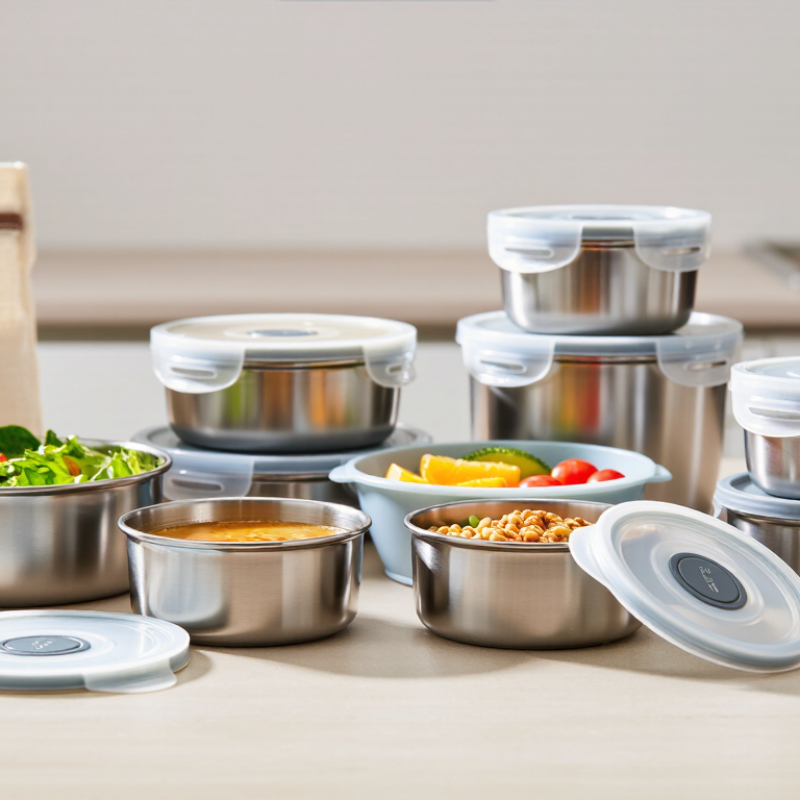
Stainless steel food containers are reusable vessels made from corrosion-resistant steel, often in grades such as 304 or 316. The container body forms a sturdy barrier around food, while a fitted lid helps reduce spills and exposure to air. A lid is not always airtight, though. Check for a flexible gasket if leak resistance matters.
Some containers have one metal wall; others use two walls with a vacuum gap between them. That gap slows heat transfer, helping hot soup stay warm or chilled fruit stay cool for longer. It does not heat or chill food. A preheated or prechilled container can help, but food temperature and storage time still matter.
The details affect everyday use. A wide opening makes it easier to fill and scrub, especially after sticky oatmeal or tomato sauce. A removable gasket can be cleaned separately, where residue may otherwise collect. Simple enough. Stainless steel is generally not suitable for microwave use, and it can dent if dropped. I would not assume every steel container is insulated or leakproof; the construction and lid design need checking.
Key Features to Compare When Choosing a Food Container
When comparing stainless Steel Food Containers in 2026, start with the food you carry. A wide opening makes rice and vegetables easier to pack and clean. Check the listed steel grade, lid materials, and whether the container is intended for hot or acidic foods. A secure seal matters for soup, but “leak-resistant” does not always mean leakproof. Test it over a sink before packing your bag.
Size and insulation are practical trade-offs. A double-wall container can help keep meals warm, but it is usually heavier and may need hand-washing. Look for removable seals and smooth corners; trapped food is frustrating. The USDA advises refrigerating perishable food within two hours, or within one hour when temperatures exceed 90°F. A container helps transport food, but it does not replace safe temperature control. Compare capacity with your usual portions, not just the largest option on a shelf.
Tips: Check the seal with water, inspect the lid after washing, and note care instructions. If a container is awkward to open with one hand, that small flaw may matter every day. Do not assume stainless steel alone provides insulation or keeps food at a safe temperature.
What Are the Best Stainless Steel Food Containers in 2026?
Compare the specified chromium, nickel, and molybdenum composition ranges for stainless steel grades 304 and 316. Grade 316 includes molybdenum, which improves resistance to corrosion, while grade 304 is a widely used food-contact stainless steel.
Ranges are percentages by mass based on ASTM A240/A240M composition limits. Molybdenum is not specified as a required range for grade 304 in this comparison.
Types of Stainless Steel Food Containers for Different Needs
Stainless steel food containers come in several forms, and the best choice depends on what you carry. A shallow, wide container suits salads, sandwiches, and leftovers because food is easy to reach. For soups or sauces, choose a model with a secure gasket and locking clips. Not every lid seals. Test it with water at home before packing it beside a laptop.
Divided lunch boxes keep fruit, crackers, and a main dish apart without disposable bags. They work well for varied lunches, though narrow compartments can be awkward to wash. Insulated, double-wall containers help keep food warm or cold for longer periods. They are useful for oatmeal, soup, or yogurt on busy days, but their larger shape may take up more bag space. Small stainless snack cups are handy for nuts or cut vegetables. Nested sets can save cupboard space, but lids are easy to mix up.
Look for smooth interiors, rounded corners, and parts that can be cleaned thoroughly. Food-grade stainless steel is durable, but containers should not go in a microwave. Some lids use plastic or silicone, so check their care instructions separately. A container that feels sturdy in the shop may still be too heavy for a child’s backpack. That trade-off is easy to overlook. Start with the meal you pack most often, then choose a shape and capacity that fit it.
Top Stainless Steel Food Containers to Consider in 2026
When comparing top stainless steel food containers in 2026, start with how you pack meals. A wide-mouth, single-wall container suits salads, cut fruit, and dry snacks. It is light and easy to clean. For soup or warm leftovers, an insulated, double-wall model can help retain heat, but it is heavier and takes up more room. Trade-offs matter.
Look for a smooth interior and a lid that seals evenly. A silicone gasket can help prevent leaks, though it needs removing and washing. Check the care instructions; some lids and seals are not dishwasher-safe. Don’t judge capacity by outside dimensions alone. A tall, narrow container can be awkward to fill. Small detail. Fit matters.
Useful options include a compact snack cup, a rectangular lunch box with dividers, and an insulated food jar. Choose dividers only if they suit meals you actually pack; thin partitions may not keep sauces apart. Check whether replacement seals are available and whether the container fits your bag and refrigerator shelf. I would treat “leakproof” as a claim to verify, not a guarantee. Stainless steel can dent, and food caught on the rim can compromise a seal. Test the container with water at home before carrying soup.
How to Use and Care for Stainless Steel Food Containers
Wash a new stainless steel food container before its first use. Warm water, mild dish soap, and a soft sponge are usually enough for everyday cleaning. Rinse away soap, then dry the container with a clean towel or leave it open to air-dry. Small habit. Big difference. Moisture trapped beneath a lid can leave an unpleasant smell over time.
After meals, remove the gasket and wash it separately if the design allows. Crumbs and oily residue often hide in the groove around the rim. A soft brush can reach those tight spots. Avoid chlorine bleach and harsh scouring pads, which may damage the surface. It is tempting to scrub harder, but extra effort can leave scratches without removing more grime. Check the care instructions, especially before using a dishwasher.
Stainless steel is sturdy, but it is not a microwave-safe material. Transfer food to a suitable dish before reheating. For insulated containers, preheating with warm water can help keep food hot; chilled water can help keep cold foods cool. Avoid sealing very hot food immediately if steam could build pressure. Clean spills promptly, especially salty or acidic sauces, and store the container with its lid loose until fully dry. A little care helps it stay fresh and useful.
