Best Polyester Rugs for Your Home Which One Should You Choose?
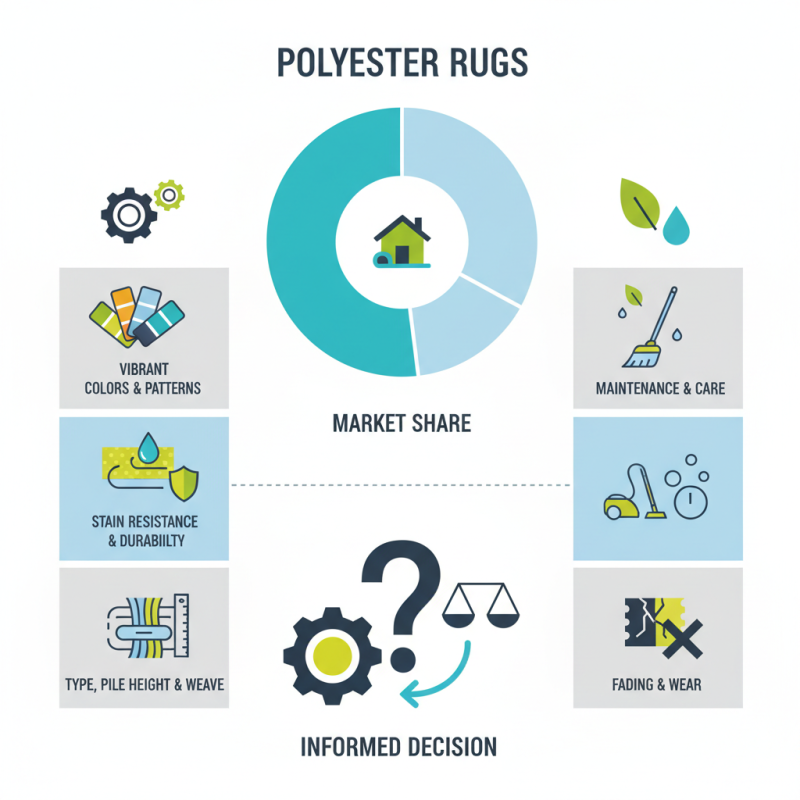
Polyester Rugs have gained immense popularity in home décor. A recent market report indicates that polyester rugs account for approximately 30% of the global rug market. This hefty percentage reflects their affordability and versatility. Polyester rugs offer vibrant colors and patterns, making them an appealing choice for various aesthetics.
These rugs are often chosen for their stain resistance and durability. However, not all polyester rugs are created equal. Some may fade quicker or wear down faster than expected. Selecting the right polyester rug can be challenging, especially with the many options available. Buyers must consider the type of polyester used, pile height, and weave techniques.
Many consumers overlook the maintenance aspect, which is crucial. Regular cleaning and proper care can prolong their lifespan. In contrast, neglecting these factors can lead to early deterioration. Thus, understanding the features and drawbacks of polyester rugs is essential for making an informed decision.
Best Polyester Rugs: Understanding Material Properties and Benefits
Polyester rugs have gained popularity due to their unique properties. They are soft and comfortable underfoot, offering a pleasant surface for daily use. Their vibrant colors and patterns can brighten any room. However, one must consider the potential downsides. While polyester is stain-resistant, it's not completely immune to spills. Quick action is key to prevent lasting stains.
The material's durability is another feature worth noting. Polyester rugs withstand foot traffic, making them suitable for busy areas. Yet, they may not hold up as well in high-moisture environments. Homeowners should assess their space before choosing this material. Texture can vary, and some may find polyester less appealing than natural fibers. It's crucial to compare options and think about the vibe you want.
Best Polyester Rugs for Your Home
This chart displays the average rating of key properties to consider when choosing polyester rugs for your home. The dimensions considered are durability, cost, maintenance, softness, and eco-friendliness, rated on a scale from 1 to 10.
Choosing the Right Size: How to Measure for Your Space Effectively
When choosing the perfect polyester rug for your home, size is crucial. Measuring your space accurately is the first step. Start by clearing the area. Remove any furniture that obstructs your view. This will give you a clear perspective of the available space. Use a measuring tape to determine the width and length of the area where you want the rug. It might be helpful to write down the measurements.
Consider how much space you want around the rug. A common practice is to leave about 12 to 18 inches of floor visible around the edges. This helps create a balanced look. However, you might find that leaving less space emphasizes the rug itself. Mistakes can happen here; purchasing a rug that’s too small can make a room feel disjointed. Additionally, if the rug is too large, it may overwhelm the space. Be thoughtful about your choices, and visualize how the rug will function in your daily life. It's a big commitment, and you want to make sure it enhances your home's design.
Design Options: Popular Patterns and Colors in Polyester Rugs
When choosing polyester rugs, design options are crucial. Popular patterns include geometric shapes, floral designs, and abstract styles. Each pattern brings a unique vibe to your home. Geometric rugs offer a modern look, while floral patterns add a touch of elegance. Abstract designs can make a bold statement, perfect for contemporary spaces.
Color is another key factor. Bright colors can energize a room, while neutral tones create a calming atmosphere. Deep blues and rich greens evoke a sense of tranquility. However, bold colors may show dirt more easily. It's essential to consider your lifestyle when selecting the right hue. For instance, if you have kids or pets, darker shades may be more practical.
The texture of polyester rugs varies too. Some are plush, inviting softness underfoot. Others may have a more textured surface, adding visual interest. It's worth reflecting on how the rug will feel in a high-traffic area. A soft rug might not hold up as well as a textured one. Ultimately, the best choice is one that balances beauty with practicality.
Maintenance Tips: Cleaning and Care for Long-lasting Durability
Maintaining polyester rugs is essential for longevity. Regular cleaning helps keep them looking fresh. Vacuuming is the first step. Aim to do this once a week. It removes dirt trapped in the fibers. Spot cleaning is crucial for spills. Blot the area with a clean cloth immediately. Avoid rubbing; it can cause more damage.
For deeper cleaning, consider using a mild detergent. Mix it with warm water and gently scrub the surface. Be careful with the amount of water, as excess moisture can lead to mold. Allow the rug to dry completely after cleaning. Sunlight can help, but direct exposure may fade the colors. Rotate your rug periodically. This prevents uneven wear and tear.
Using a rug pad can also make a difference. It protects the backing and adds comfort. Check the rug regularly for signs of wear. Frayed edges or loose threads may require attention. It's better to address small issues promptly. This can extend the life of your rug significantly.
Environmental Impact: Analyzing Sustainability of Polyester Rugs
Polyester rugs are popular in many homes, but their environmental impact raises concerns. Producing polyester requires petroleum, a non-renewable resource. According to the U.S. Environmental Protection Agency, the production of polyester emits significant greenhouse gases. These emissions contribute to climate change and harm air quality.
Recycling polyester is a possible solution, yet only about 10% of polyester is recycled globally. This low figure highlights the inefficiency of recycling systems. Moreover, polyester rugs can shed microplastics. Studies suggest that these tiny particles end up in oceans, affecting marine life. This situation calls for awareness and responsibility in choosing materials.
Sustainable alternatives exist. Natural fibers like wool or jute offer eco-friendly options. While they may be pricier, their longevity can justify the investment. However, not all consumers can afford these options. Understanding the balance between cost and environmental impact is essential. Each choice carries weight, and it’s vital to reflect on the hidden costs of convenience.
