What Are the Best Kitchen Cupboards for Your Home?
When it comes to designing a functional kitchen, choosing the right kitchen cupboards is crucial. According to the National Kitchen and Bath Association, nearly 80% of homeowners prioritize storage solutions in their kitchen remodels. Kitchen cupboards not only provide essential storage but also reflect personal style. Today’s consumers are overwhelmed by options, from traditional wood finishes to sleek, modern designs.
However, selecting kitchen cupboards requires careful consideration. The materials, colors, and styles must align with the overall kitchen theme. A recent survey revealed that 60% of homeowners regret their cabinetry choices. This reflects a need for thorough planning and expert advice in the decision-making process. It's essential to balance aesthetics with practicality, as many cupboards lack sufficient durability or functionality.
Investing in high-quality kitchen cupboards can improve your home's resale value. The right choice might enhance both functionality and appearance. Nevertheless, make sure to seek out reliable sources and professional recommendations during your selection process. The best kitchen cupboards serve as the backbone of an efficient kitchen, demonstrating the significance of informed choices in home design.
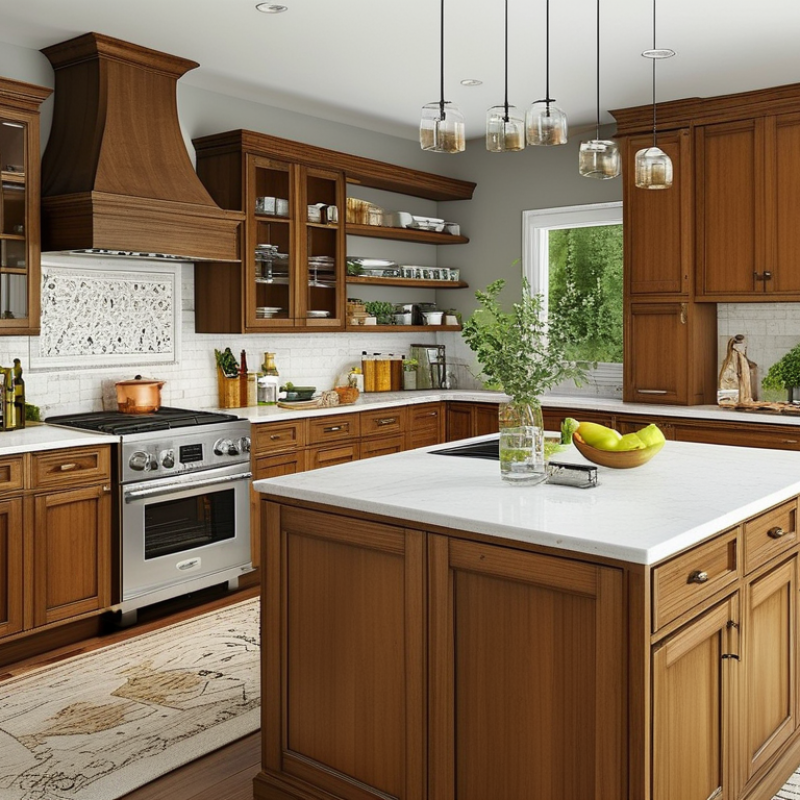
Types of Kitchen Cupboards to Consider for Your Home
When considering kitchen cupboards, several types stand out. Wall-mounted cupboards maximize vertical space, making smaller kitchens feel more open. These cabinets come in various designs, from sleek modern styles to more traditional looks. They can house dishes, glassware, and pantry essentials. A clean, organized wall cabinet can elevate the overall aesthetics of your kitchen.
Base cupboards provide deeper storage areas. They can accommodate pots, pans, and heavier items. Choose deeper drawers for easy access to cooking tools. Make sure to think about space efficiency. Sometimes, it can feel cramped if all drawers are fully stocked. You might need to declutter every now and then.
Open shelving offers a different approach. It helps showcase your favorite dishware and cookbooks. However, keeping items dust-free can be a challenge. This style works best for those who enjoy decorative kitchen setups. It requires a level of commitment to maintain its appearance. Decide if the open concept fits your cooking habits and lifestyle.
Factors to Evaluate When Choosing Kitchen Cupboards
Choosing the right kitchen cupboards involves careful consideration of various factors. One critical element is the material of the cupboards. Wood, laminate, and metal each offer unique advantages. For instance, wood provides warmth and is a durable option. A National Kitchen and Bath Association report indicated that 45% of homeowners choose wood for its aesthetic appeal and longevity.
Another important factor is the cupboard layout. An efficient design maximizes storage and accessibility. A study from the Houzz Kitchen Trends report showed that 70% of homeowners prioritize functional layouts to improve workflow. Think about your cooking habits. Do you need easy access to pots, pans, or spices? Reflecting on these patterns can lead to better design choices.
Lastly, consider the trends in colors and finishes. Neutrals remain popular, yet bold colors are gaining traction. According to a recent Remodeling magazine report, 30% of homeowners opted for vibrant hues in their kitchen designs. However, striking a balance between personalization and resale value is essential. Make choices that inspire you but remain mindful of potential future owners' preferences.
Materials Commonly Used in Kitchen Cupboard Construction
When considering kitchen cupboard materials, a range of options is available, each with distinct pros and cons. Plywood, for instance, is popular due to its stability and resistance to moisture. A report by the National Kitchen & Bath Association indicates that plywood cabinets accounted for about 30% of new kitchen projects in 2022. Homeowners appreciate its durability.
Another common choice is medium-density fiberboard (MDF). This material is highly versatile and affordable, making it a strong contender in many renovations. According to industry analysis, MDF can be found in nearly 40% of kitchens. However, it may not withstand water exposure as well as plywood. This limitation can lead to issues over time, like warping or swelling.
Solid wood remains a favorite for its Aesthetic and sturdy nature. It is often considered a long-term investment. Yet, maintaining solid wood can be more demanding. Homeowners need to be aware of potential concerns like scratches or fading. Each material carries its own challenges. It's crucial to weigh these factors carefully before making a decision.
Design Styles and Their Impact on Kitchen Aesthetics
Choosing the right kitchen cupboard design is crucial for enhancing your kitchen’s overall aesthetics. According to a report by the National Kitchen and Bath Association, kitchen cabinets make up nearly 30-40% of the total remodel budget. This emphasizes their significant role in both functionality and visual appeal. Design styles like modern, rustic, and farmhouse each bring distinct elements that can transform a space. For instance, modern designs often feature sleek lines and minimalism, which can make a small kitchen feel more spacious.
Color also plays a vital role in design. Bright or pastel shades can create a cheerful ambiance, while darker tones may evoke a sense of elegance. However, choosing a color that complements your kitchen's layout is essential. A poorly matched color scheme can lead to a disjointed look. Moreover, the materials used for cabinets impact durability and style. Wood offers warmth but may require more maintenance. On the other hand, laminate can be easy to clean but may not provide the same luxurious feel.
It’s worth considering how the style of your kitchen cupboards interacts with other elements. Lighting, countertops, and appliances should harmonize. Neglecting this balance can result in overwhelming contrasts. Careful planning can prevent costly mistakes and ensure that your kitchen space is both functional and visually appealing. Engaging with a professional can provide insights, but relying solely on trends may lead you astray. Designing a kitchen should reflect personal preferences while remaining timeless.
What Are the Best Kitchen Cupboards for Your Home? - Design Styles and Their Impact on Kitchen Aesthetics
| Cupboard Style | Material | Color Options | Influence on Aesthetics | Best For |
| Shaker | Wood | White, Gray, Navy | Classic and Timeless | Traditional and Modern Homes |
| Flat-Panel | MDF | Black, White, Bold Colors | Modern and Minimalistic | Contemporary Homes |
| Glass-Front | Wood with Glass Inserts | Clear, Frosted | Elegant and Open | Traditional and Transitional Homes |
| Rustic | Reclaimed Wood | Earthy Tones | Warm and Inviting | Country and Farmhouse Styles |
| Industrial | Metal and Wood | Gray, Black, Metallic | Edgy and Raw | Loft and Urban Designs |
Tips for Maximizing Storage and Organization in Kitchen Cupboards
When it comes to maximizing storage and organization in kitchen cupboards, some crucial strategies can help. Research shows that an average kitchen has only 50% of its storage potential utilized. This statistic underscores the importance of thoughtful design and organization. One effective approach is to use vertical space. Installing pull-out shelves or using tiered organizers can significantly increase accessibility.
Dedicating sections of your cupboards for specific items also improves efficiency. Categorizing pantry goods, baking supplies, and pot lids can create a more streamlined workflow. According to the National Kitchen and Bath Association, a well-organized kitchen can reduce cooking time by up to 30%. Such insights emphasize how strategic organization can enhance not just aesthetics but functionality as well.
Incorporating clear bins can help visualize inventory levels, reducing waste and restocking confusion. However, implementing these systems can be challenging. It often requires time and effort, and initially, it may feel overwhelming. Embrace this process with an open mind; it is an investment in a more efficient kitchen. Regularly reassess your organization methods to adapt to changing needs. This ensures that your kitchen cabinets remain a source of inspiration, not frustration.
