What Is the Best Amart Coffee Table in 2026?
What makes the best Amart Coffee Table in 2026? The answer depends on your room, routines, and budget—not just a polished product photo. A table should fit the sofa without blocking the walkway, hold everyday items, and feel steady when someone sets down a mug. Small details matter: rounded corners in a busy home, a lower shelf for magazines, or a surface that wipes clean after spills. Looks count, too. But looks are not everything.
British designer William Morris offered a useful principle: “Have nothing in your houses that you do not know to be useful, or believe to be beautiful.” He was not commenting on Amart furniture specifically, so the quote is a design lens, not a product endorsement. It helps frame this guide: compare each Amart Coffee Table for practical value and visual fit. Check the listed dimensions against your seating, inspect material and care details, and consider whether drawers or shelves will genuinely help. Measure twice. A lovely table can still overwhelm a compact lounge.
This review will explore styles, features, and trade-offs to help narrow the choices available in 2026. Product ranges and prices can change, so confirm current details with Amart before buying. We’ll look beyond staged rooms to ask how a table may work in daily life: Will its finish show fingerprints? Is there enough clearance for your knees? Does the storage suit what you own? No single pick will suit every household. That is worth admitting. The best choice is the one that fits your space and habits, even if it is not the most striking option on the showroom floor.
What Defines an Amart Coffee Table in 2026?
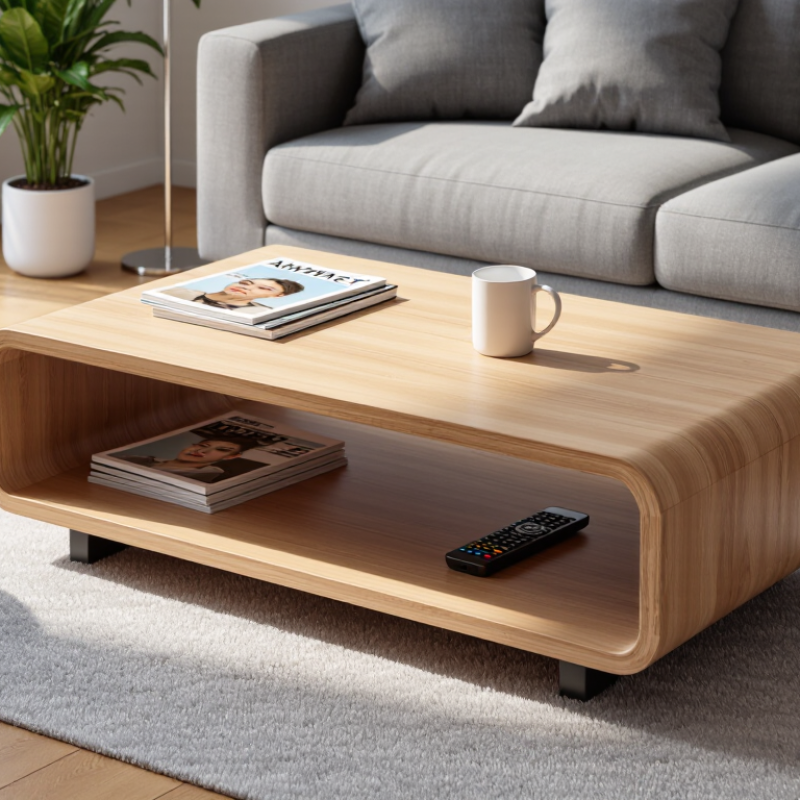
What defines a coffee table in this style in 2026 is not a single shape or finish. It is a balance of useful proportions, durable materials, and a design that fits daily life. A table should leave enough room to walk around the sofa, while keeping drinks and books within easy reach. Measure the seating area before choosing; even a handsome table can feel awkward if it crowds the room. Details matter. Rounded corners can soften a busy family space, while a lower shelf offers practical storage for remotes or magazines. Check the shelf height and leg clearance, not just the tabletop.
Material choice should match how the room is used. Veneered wood can offer a warm appearance, but inspect edges and joins for clean, even finishing. Solid wood may show natural variation, which is not automatically a defect. Glass can keep a compact room feeling open, though fingerprints show quickly. Not always ideal. Stable legs and a level surface matter more than a fashionable silhouette. For 2026, a thoughtful choice is one that looks current without relying on a short-lived detail. I would still question any table that sacrifices everyday comfort for appearance; that trade-off is easy to miss in product photos.
Which Features Matter When Comparing Amart Coffee Tables?
When comparing coffee tables, measure the space between your sofa and the table, not just the table’s overall width. Leave enough room to walk past without bumping your knees. Check the height against your sofa seat; a surface that sits slightly lower is often easier to reach. Then consider the top material, frame strength, and edge shape. A smooth, sealed surface handles drink rings better, while a sharp corner may feel awkward in a narrow room. Small details matter.
Tips: Place a tape outline on the floor before ordering. Check the listed dimensions, weight limit, and assembly instructions. Photos can make finishes look warmer than they are, so compare color descriptions carefully.
Storage can be useful, but drawers and lower shelves need clearance and regular dusting. If you often move the table to clean, look for a manageable weight and stable legs. A wobbly frame is more than a nuisance when drinks are nearby. Consider how the table will be used on an ordinary evening: books, a laptop, or only a lamp? There is no perfect choice for every home. I would still double-check the measurements; it is easy to misjudge a room from a photo.
What Is the Best Coffee Table in 2026? Which Features Matter When Comparing Coffee Tables?
There is no single best coffee table for every room. Compare dimensions, materials, storage, and safety against your space and how you plan to use it. Size ranges below are practical planning guidelines, not fixed standards.
| Feature | What to Compare | Practical Guidance | Best Fit |
|---|---|---|---|
| Overall size | Table length and width in relation to the sofa and available floor space. | As a planning guide, a small table may be about 80–100 cm long, a medium table about 100–120 cm, and a large table about 120–140 cm. Measure the room before choosing. | Choose a smaller footprint for compact rooms and a larger surface for longer sofas or shared seating areas. |
| Height | Tabletop height compared with the sofa seat height. | A useful starting point is a tabletop close to the sofa-seat height or slightly lower. Check the actual measurements of both pieces. | A closer height match is convenient for setting down drinks and reaching items while seated. |
| Clearance and access | Walking space around the table and reach from the sofa. | Measure the intended position and leave enough room for people to move comfortably. Account for drawers, doors, and reclining seats when checking clearance. | Important in narrow living rooms, busy walkways, and seating areas with recliners. |
| Shape | Rectangular, square, round, or oval outlines; consider corners and circulation paths. | Rectangular tables suit many sofa layouts. Round or oval edges can make it easier to move around a table in a tight space; check that the surface still meets your needs. | Select by room layout, seating arrangement, and household needs rather than appearance alone. |
| Frame and tabletop material | Wood, metal, glass, or composite construction; inspect finish and joints. | Wood offers a solid, warm appearance; metal can provide a rigid frame; glass keeps the visual profile lighter but needs frequent cleaning; composite surfaces vary by construction and finish. | Match the material to cleaning preferences, expected use, and the room’s existing furniture. |
| Storage | Drawers, shelves, lift-up tops, or an open base. | Check usable storage dimensions, how drawers open, and whether a lift-top mechanism operates smoothly. Storage can add bulk and weight. | Drawers help conceal small items; open shelves keep frequently used items accessible; a lift-top can provide a raised surface when needed. |
| Stability and construction | Leg attachment, frame rigidity, level feet, and movement during ordinary use. | Look for secure joints and a table that sits evenly on the floor. Follow the supplied assembly and care instructions. | A priority for frequently used tables and households where the table may be bumped or moved often. |
| Edges and safety | Corner shape, edge finish, glass construction, and overall placement. | Rounded corners can reduce sharp contact points. If choosing glass, check the product’s safety details and avoid placing it where it obstructs a main walkway. | Especially relevant in homes with young children, older adults, or limited circulation space. |
| Care and durability | Cleaning method, finish sensitivity, and resistance to everyday marks. | Review care instructions for the specific finish. Use coasters where appropriate and clean spills promptly, especially on surfaces that can stain or show marks. | Choose a surface whose maintenance requirements fit your routine. |
| Assembly and moving | Assembly requirements, package dimensions, table weight, and access through doorways. | Check delivery dimensions and assembly details before purchase. Confirm that the assembled table can pass through entrances and fit its intended location. | A key consideration for apartments, narrow hallways, and rooms where furniture may need to be repositioned. |
Quick takeaway: The best choice is the table that fits your room, pairs comfortably with your sofa, provides the storage you need, and is easy to maintain. Confirm exact product dimensions and construction details before buying.
How Do Materials, Sizes, and Styles Affect Your Choice?
A coffee table should suit the room’s daily routines, not just its photographs. Solid wood can bring warmth and tolerate small knocks, though its finish may need occasional care. Glass keeps a compact room feeling open, but fingerprints show quickly. Metal offers a crisp look; check the edges and weight before choosing it for a busy household. Materials matter in use.
Measure the space with the sofa in place. Leave enough room to walk around the table and reach it comfortably from the seats. A narrow rectangular table often works beside a long sofa, while a round shape can soften tight corners. Measure twice. A table that looks modest online may feel oversized once it sits between the sofa and a rug.
Style should connect to existing details, such as wood tones, leg shapes, or the room’s overall palette. Matching everything can feel flat, though. A contrasting finish may add character if its scale remains balanced. Think about what will sit on the surface: cups, books, or a remote need practical space. I would reconsider any choice that looks perfect but makes walking or cleaning awkward. Small compromises are normal. The best fit depends on the room, the materials you can maintain, and how you actually use the table.
Which Amart Coffee Table Best Fits Different Living Spaces?
A coffee table should fit the way a living room is used, not just its floor plan. In a compact apartment, a round table with a slim base softens tight walking routes and leaves more visible floor. Measure the sofa-to-table gap before choosing; about 30 to 45 centimetres usually allows comfortable reach without blocking knees. A lift-top or nesting design can add flexibility, though extra mechanisms may feel bulky in a small room. Small rooms forgive little.
For a family room, choose a stable, easy-clean surface with rounded corners and enough top area for books, cups, or a board game. In a spacious seating area, a larger rectangular table can connect separate sofas, while a pair of smaller tables is easier to rearrange. The 2023 Profile of Home Staging from the National Association of Realtors reported that 39% of buyer agents identified the living room as an important room to stage. That supports treating the table as part of the room’s overall flow, not an isolated purchase.
For a narrow lounge, consider an oval table or a shallow design that preserves a clear path from doorway to sofa. A 2024 U.S. Houzz & Home Study reported that 54% of surveyed homeowners had renovated in 2023, reflecting how often people adapt their homes to changing needs. Still, matching every finish can make a room feel staged. A slightly imperfect contrast may work better: test the table with your actual sofa, rug, and daily clutter before deciding.
What Should You Check Before Buying and Maintaining One?
Before choosing a coffee table, measure the sofa’s seat height, available floor space, and walking routes. Leave roughly 30–45 centimetres between the table and seating for comfortable reach. Mark its footprint with painter’s tape; a table that looks compact online can dominate a small room. Check the top’s material and edge finish, too. A glossy surface shows fingerprints, while sharp corners can catch sleeves or bump knees. Drawers should slide smoothly, and the base should feel steady when gently pushed. Even careful measuring can miss a door swing or rug edge.
Ask how the finish handles water, heat, and routine cleaning, and follow its care instructions. For wood, use coasters and wipe spills promptly; avoid abrasive pads that can dull the surface. Check whether screws or fittings can be tightened, and whether the top can be repaired rather than replaced. Durability matters: the U.S. EPA’s Advancing Sustainable Materials Management report estimated 12.1 million tons of furniture and furnishings were generated in 2018, with 80.1% landfilled. That figure covers many products, not coffee tables alone, but it is a useful reason to inspect construction before buying. Keep the assembly guide and hardware. Check joints again after the first few weeks, especially if the table wobbles on an uneven floor.