What Is an Automatic Price Labelling Machine?
An Automatic Price Labelling Machine applies price labels to products with consistent speed and placement. It typically combines a label printer, dispensing unit, conveyor, sensor, and control panel. Depending on the model, it can print variable prices, barcodes, batch numbers, and product details. This makes it useful in supermarkets, warehouses, food processing facilities, and retail distribution centers.
In a typical operation, a sensor detects each item as it moves along the conveyor. The machine then prints or selects the correct label and applies it to a defined surface. Operators can adjust label position, printing speed, and product settings through a digital interface. Some systems connect with inventory or weighing equipment, reducing manual data entry and pricing errors. That connection needs careful checking. A small database mistake can produce hundreds of incorrect labels.
From practical experience, performance depends on more than machine speed. Label material, product shape, surface moisture, and barcode quality also matter. A damp package may cause poor adhesion. A curved container can shift the label by several millimeters. Regular cleaning and calibration help maintain reliable results. However, no machine performs perfectly in every environment. Staff still need training, inspection routines, and clear maintenance records.
Understanding these working principles helps businesses choose suitable equipment. It also supports better decisions about automation, labor use, traceability, and product presentation. The right machine should match actual production conditions, not only advertised specifications. That distinction is often overlooked.
Definition and Core Function of an Automatic Price Labelling Machine
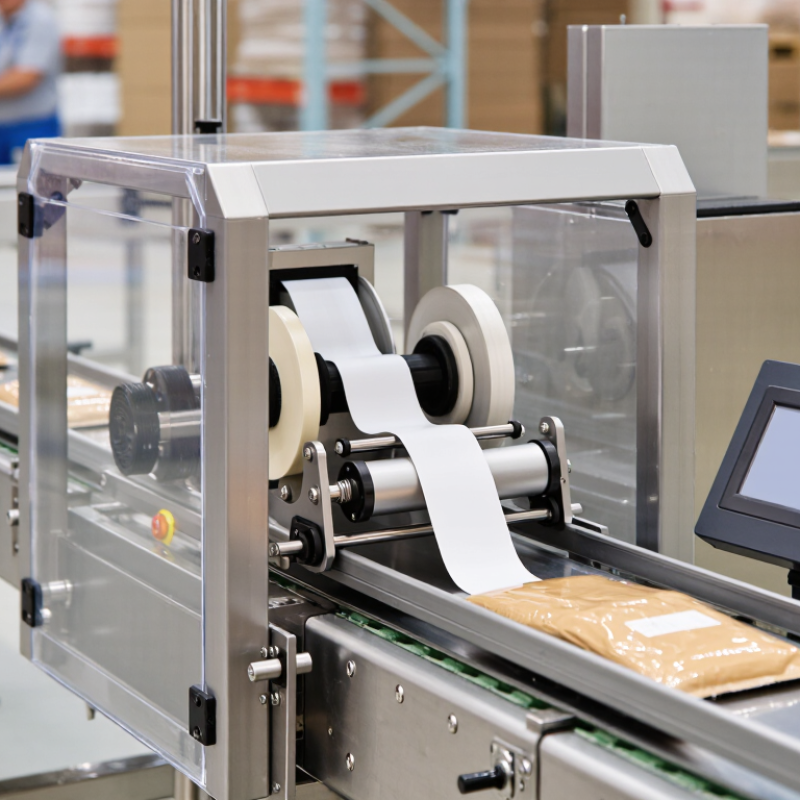
An automatic price labelling machine is equipment that prints and applies price labels to products with limited manual handling. Its core function is simple: match correct pricing data with the correct item, then place the label accurately. In a typical line, products move along a conveyor while sensors detect their position. A printer prepares the label, and an applicator presses it onto a flat or curved surface. Many systems also read barcodes or product codes before application. This connection reduces repeated handwork and helps maintain consistent label placement.
From practical experience, accuracy depends on more than the applicator. Operators must load suitable label material, check print contrast, and confirm product dimensions. A small sensor shift can move a label several millimeters. That matters when a barcode crosses an edge or printed information becomes hard to scan. Good machines provide speed settings, alignment controls, and inspection points. Staff should compare test labels with approved product data before regular production begins. Records of settings and rejected items also support traceability and dependable quality checks.
The process is not flawless. Dust, uneven packaging, weak adhesive, or outdated data can still cause failures. Not always. Human review remains necessary, especially after a product changeover. Regular cleaning and calibration improve reliability, although they require time and attention. A machine may apply hundreds of labels consistently, but it cannot judge every unusual package. That limitation deserves honest consideration when selecting equipment.
Main Components and How the Labelling Process Works
An automatic price labelling machine combines product handling, data control, printing, and label application in one working line. Its frame supports a conveyor, guide rails, sensors, printer, applicator, controller, and operator screen. A barcode scanner or database connection supplies the correct price and product code. The conveyor keeps each item moving at a measured distance. Small sensors detect position and spacing. Timing matters.
During operation, an item enters the conveyor and passes a detection sensor. The controller identifies its position and calls the matching price record. The printer produces a label with readable figures, barcode, date, or batch information. An applicator then presses, wipes, or blows the label onto the package. A verification scanner checks print quality and placement. If the label is missing or unclear, a reject mechanism can divert the item for inspection. In a busy packing room, this sequence reduces repetitive manual work and keeps label placement consistent.
Real performance depends on setup, not only machine speed. Operators must adjust guides for different package widths and test adhesion on cardboard, plastic, or chilled surfaces. Condensation can weaken the label. Dust can affect sensors. I have found that a careful calibration check prevents more faults than a faster setting. Still, no system is perfect. Wrinkled packs and changing product shapes may confuse detection. Regular cleaning, sample checks, and thoughtful operator decisions remain essential when the line behaves unexpectedly.
Common Types and Product Compatibility
What Is an Automatic Price Labelling Machine?
Common Types and Product Compatibility
An automatic price labelling machine applies printed price labels to products with limited manual handling. Its value depends on matching the machine with the product, label, and production speed. Fortune Business Insights estimates the global automatic labelling machine market could grow from about USD 2.1 billion in 2023 to more than USD 3.2 billion by 2032. This growth reflects stronger demand for traceability and faster retail preparation.
Pressure-sensitive labellers suit cartons, jars, bottles, and smooth plastic containers. They use adhesive labels and can place them on the top, side, or bottom. Wrap-around systems work better with cylindrical products, such as cans and round containers. Front-and-back labellers handle rigid containers that need two visible labels. For irregular packages, specialised systems may use tamp-blow or robotic application. Product shape matters more than many buyers expect.
Compatibility also depends on surface material, temperature, moisture, and label size. A dusty cardboard box may reduce adhesion. A cold container may create condensation. According to PMMI industry research, automation investment is increasingly linked to labour efficiency and consistent package quality. Still, a faster machine is not always better. A line running at 120 products per minute may fail if labels wrinkle at the corners. Test real products, not sample photographs. I have seen specifications look perfect, yet small changes in packaging caused repeated stoppages. The difficult part is often calibration, not speed.
Key Benefits in Retail and Manufacturing Operations
An automatic price labelling machine prints and applies price, barcode, batch, or date labels to products. It uses sensors to detect each item and a control system to position labels consistently. In retail settings, it can process packaged food, household goods, and boxed merchandise. A worker loads the line, checks the label format, and monitors output. The machine handles repetitive placement with steady pressure and timing. That matters when shelves need thousands of clearly marked items before opening.
The main benefit is operational consistency. Manual labelling can create crooked stickers, missing barcodes, or mismatched prices during busy shifts. Automated application reduces these errors when product data and line settings are correct. It also supports faster price changes during promotions or seasonal turnover. In manufacturing, labels can carry lot numbers, weights, production dates, or handling instructions. Scanners and verification cameras may reject unreadable or incorrect labels before cartons leave the line. This improves stock control and routine quality checks. Staff can spend less time repeating simple tasks and more time inspecting exceptions.
The gains are not automatic. Poor calibration, dusty surfaces, changing package shapes, or weak data controls can still cause failures. A short trial with real packaging is often more useful than a brochure specification. Operators should measure throughput, label waste, rework, and downtime before and after installation. Maintenance logs also show whether the machine fits daily conditions. It is a practical tool, not a complete process strategy. Even a fast applicator cannot correct inaccurate pricing data. Human review remains necessary.
Selection, Maintenance, and Safety Considerations
What Is an Automatic Price Labelling Machine?
An automatic price labelling machine applies printed price labels to products at a steady production speed. Choosing one requires more than checking its hourly output. Match the machine to product dimensions, package shape, label material, and surface texture. A flat carton may label easily, while a curved container can cause wrinkles or poor adhesion. Check sensor accuracy, adjustment range, cleaning access, and compatibility with existing conveyors. A perfect first setting is unlikely.
Maintenance should follow a written schedule, not memory. Remove adhesive residue from rollers and guides with approved cleaning materials. Inspect belts, sensors, cables, and label-feed tension during each shift or production cycle. Small residue can move a label several millimeters. That error may seem minor until customers notice it. Keep spare wear parts available, but avoid replacing components without checking the cause of failure.
Safety needs practical attention. Guards should remain fitted around moving rollers and applicators. Operators must keep fingers away from feed points and stop the machine before clearing jams. Use isolation procedures when servicing internal parts, according to workplace requirements and the equipment manual. Emergency-stop controls should be visible, reachable, and tested by trained personnel. Place the machine on a stable surface, keep cables dry, and provide clear operator training. Do not rely on warning labels alone. Routine observations often reveal risks that formal inspections miss.
What Is an Automatic Price Labelling Machine?
An automatic price labelling machine applies printed labels to products or packages with limited manual handling. Selection should consider product shape, label dimensions, application speed, sensor compatibility, and integration with conveyors or weighing systems.
Typical preventive-maintenance planning intervals
These intervals are practical planning references for common machine areas. Actual requirements depend on the machine design, operating environment, workload, and applicable workplace-safety regulations. Always follow the equipment manual and isolate electrical or pneumatic energy before servicing.
