How to Choose the Best Slab Tile for Your Home?
Choosing the right Slab Tile for your home can feel daunting. In recent years, the use of slab tiles has surged, particularly in modern interiors. According to the National Tile Contractors Association, 75% of homeowners have opted for tiles larger than 12 inches, emphasizing the popularity of slab tiles.
Slab tiles offer both aesthetic appeal and practicality, making them a favorite in kitchen and bathroom designs. These expansive tiles can create a seamless look, giving spaces a more open feel. However, selecting the best option requires careful consideration of materials, finishes, and durability. For instance, a report by the Tile Council of North America highlights that porcelain slabs are becoming increasingly favored for their strength and low absorption rates.
Yet, there’s room for reflection. Not all slab tiles measure up in quality. Some options may chip or crack easily, leading to costly repairs. It's essential to weigh the pros and cons of each slab tile before making a final choice.
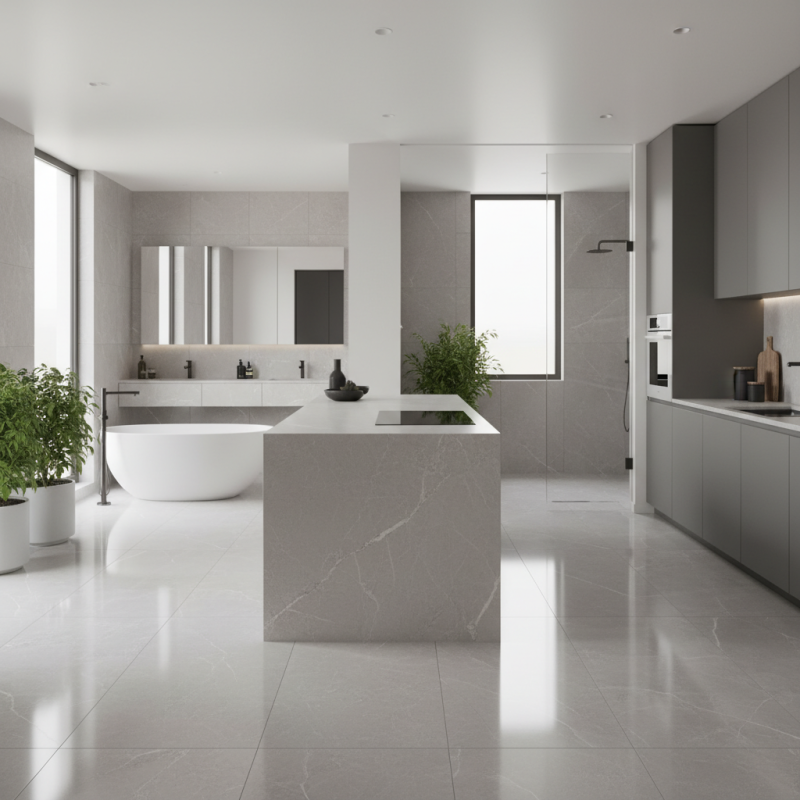
Understanding Different Types of Slab Tiles Available on the Market
When selecting slab tiles, it's essential to understand the various types available. Porcelain tiles are highly durable and resistant to moisture. This makes them a fantastic option for kitchens and bathrooms. They come in a wide array of finishes and colors, offering versatility in design.
Natural stone tiles, like granite or marble, provide a luxurious feel. Each piece is unique, which adds character to your space. However, they often require more maintenance. Sealing is necessary to protect against stains. Consider the upkeep involved before making a decision.
Another option is ceramic tiles, which are often more affordable. They can mimic the look of natural stone or wood. Their ease of installation is a plus. However, they may not offer the same level of durability as porcelain tiles. Reflect on how the tile fits into your lifestyle and needs.
Evaluating the Durability and Maintenance of Slab Tiles
When selecting slab tiles for your home, durability plays a crucial role. Many homeowners overlook this aspect. Slab tiles come in various materials, each with unique properties. Porcelain tiles, for instance, are renowned for their strength. They resist scratches and are less prone to chipping. On the other hand, natural stone tiles, while beautiful, may require more care. They can be softer and may stain more easily.
Maintenance is another critical factor. Some tiles demand frequent sealing to protect against moisture and stains. This can be a hassle for busy homeowners. In contrast, glazed porcelain tiles are easier to clean and maintain. You might wonder how much time you’re willing to spend on upkeep. An informed choice can save you stress in the long run.
Consider the environment where the tiles will be used. High-traffic areas may need tougher materials. Aesthetic choices can influence your decision, but functionality should not be compromised. The balance of beauty and durability is essential. Reflecting on these aspects can guide you toward the best tiles for your space.
Choosing the Right Color and Style for Your Home's Aesthetic
Choosing the right color and style of slab tile can significantly influence your home’s overall aesthetic. According to the National Kitchen and Bath Association (NKBA), 57% of homeowners prioritize color when selecting tiles. It’s essential to consider how colors align with your existing decor.
Lighter shades can create an illusion of space in smaller rooms, while darker hues can add coziness and depth.
Texture is another critical factor. For a modern look, matte finishes are gaining popularity, appealing to 48% of designers surveyed by Houzz. Glossy finishes tend to reflect more light, which might not suit a low-light environment. Balancing textures with colors can enhance the visual appeal but requires keen attention to detail.
Think about the overall style of your home. Mixing styles can be tempting but can lead to a chaotic look if not executed properly. Aim for cohesion to avoid an overwhelming effect. While experimenting with patterns, remember that less can be more. A bold patterned slab tile can quickly dominate a room, and careful selection can prevent a mismatched appearance. Design choices should not only resonate with your taste but also maintain timelessness for longevity.
Assessing Size and Texture Options for Functional Use
Choosing the right slab tile for your home involves careful consideration of size and texture. Tiles come in various dimensions, and the size can significantly affect a room's overall feel. Larger tiles create an illusion of space, making small areas appear bigger. However, they require precise installation to avoid uneven surfaces. Smaller tiles can add texture and interest, but might make a space feel more cluttered.
Texture is equally important when selecting slab tiles. A glossy finish can brighten a room but may become slippery when wet. Conversely, a textured surface can provide grip, enhancing safety. The choice of texture also influences the maintenance of the tiles. Smooth tiles are easier to clean, yet they can show dirt and scratches more readily. Textured tiles might require more regular maintenance, particularly in high-traffic areas.
It's essential to reflect on your lifestyle when making these selections. If you have pets or children, durability and slip resistance will be critical. If you're renovating a stylish area, aesthetic appeal may take precedence. Balancing these factors can be challenging, but thoughtful choices will lead to a more satisfying outcome.
Budget Considerations When Selecting Slab Tiles for Your Home
When considering slab tiles for your home, budget plays a crucial role. According to the National Association of Home Builders, the average cost of slab tiles ranges from $3 to $15 per square foot, depending on the material and finish. It’s important to assess the quality of tile within your price range. Lower-cost tiles may not offer the same durability as premium options. Investing a bit more initially can lead to lower maintenance costs over time.
Another factor to weigh is installation. Professional installation typically costs around $5 to $10 per square foot. DIY installation can save money, but it requires skill and time. Many homeowners underestimate the complexity of laying tiles. Miscalculations can lead to costly mistakes. A study from HomeAdvisor revealed that 54% of DIY tile projects exceed planned budgets due to unforeseen complications.
Additionally, consider the long-term expenses related to your selection. High-quality slabs can enhance property value. An investment in durable tiles may yield returns during resale. The cost of maintenance for lower-end tiles can accumulate, diminishing initial savings. Balancing immediate costs with future benefits is essential in making an informed decision.
